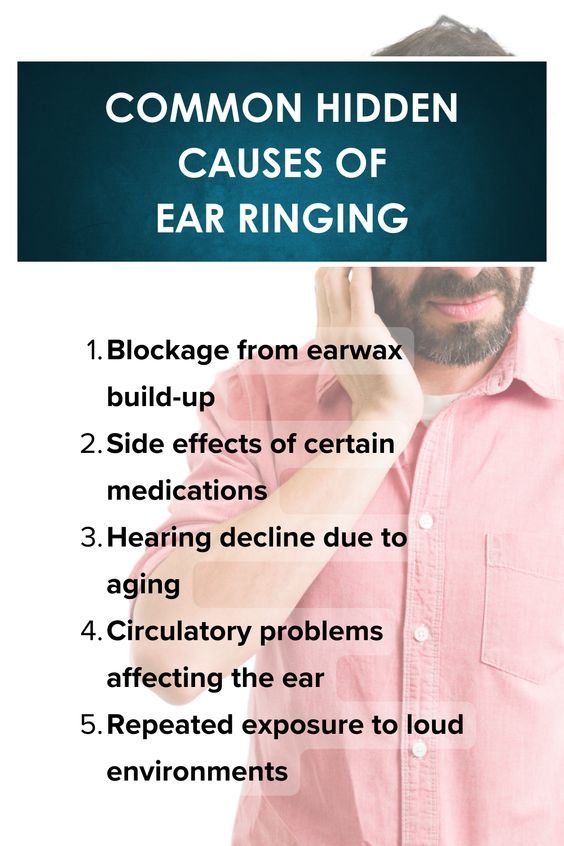
That constant ringing, buzzing, or whooshing sound in your ears—better known as tinnitus—can be frustrating, especially as you get older. While it’s not a disease itself, tinnitus is often a sign that something’s changing in your hearing system.
Many adults notice tinnitus becoming more noticeable with age, but why does this happen? Let’s explore the science behind it and what you can do to protect your hearing.
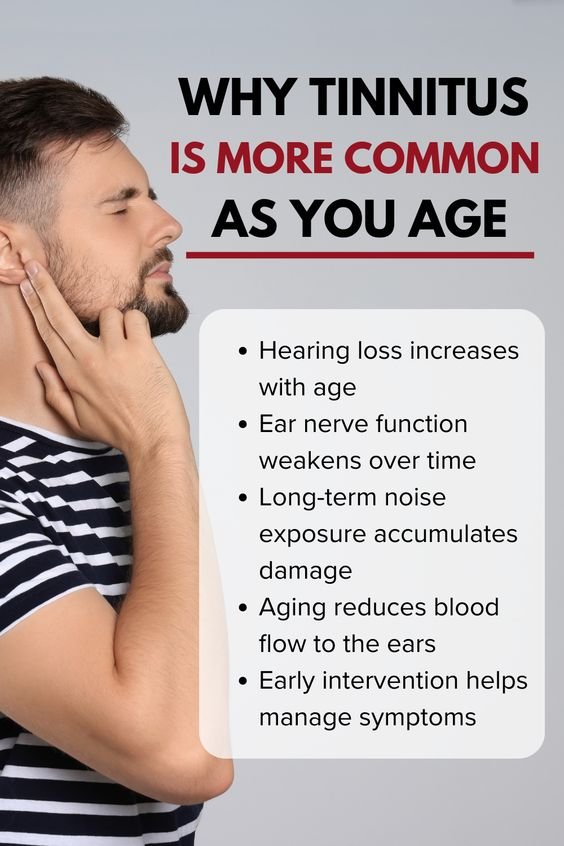
1. Hearing Loss Increases with Age
Age-related hearing loss, or presbycusis, is one of the leading causes of tinnitus. As you grow older, the tiny hair cells inside your inner ear begin to wear down. These cells are responsible for converting sound waves into signals your brain can understand.
When they’re damaged or lost, your brain sometimes tries to “fill in the gaps” with phantom sounds—what you hear as ringing, humming, or hissing.
2. Ear Nerve Function Weakens Over Time
Your auditory nerves play a crucial role in carrying sound signals from your ears to your brain. With age, nerve pathways may weaken or become less efficient. This reduced function can confuse your brain’s sound interpretation, leading to tinnitus sensations even when no real sound is present.
Maintaining overall nerve health through diet and circulation-boosting activities can help slow this process.
3. Long-Term Noise Exposure Accumulates Damage
The effects of loud music, machinery, or even years of city traffic don’t disappear overnight. Noise exposure accumulates damage over time, wearing down sensitive hearing structures.
That’s why protecting your ears—whether at concerts, work, or even during yard work—is so important. It’s never too late to start using ear protection and lowering volume levels.
4. Aging Reduces Blood Flow to the Ears
As circulation decreases with age, the inner ear may not get enough oxygen and nutrients to function properly. Poor blood flow can make tinnitus worse and even affect balance.
Activities that improve circulation—like walking, swimming, and yoga—can support ear health naturally. Foods rich in antioxidants, such as leafy greens, citrus fruits, and nuts, can also help keep your blood flowing smoothly.
5. Early Intervention Helps Manage Symptoms
While tinnitus can’t always be “cured,” it can be managed effectively with the right approach. Early intervention makes a big difference.
Hearing tests, lifestyle changes, and sound therapy can all reduce tinnitus intensity. Managing stress, improving sleep, and avoiding caffeine or alcohol before bedtime may also help calm the ringing.
If tinnitus starts to interfere with your daily life, talk to an audiologist—professional guidance can make a world of difference.
Final Thoughts
Aging and tinnitus often go hand-in-hand, but understanding the causes can help you take control. From protecting your ears from noise to improving blood flow and seeking early care, there are many ways to manage tinnitus naturally.
👂💡 Start making small changes today—and remember, your hearing health is worth protecting at every age.
Save this post for later or share it with someone who could benefit from these ear care tips!