If you’re eating “pretty well” and trying to stay active but still not seeing fat loss, it can feel incredibly frustrating. The truth is, fat loss isn’t just about eating less or doing more cardio. Often, small daily habits quietly stall progress without you realizing it. Understanding why you’re not losing fat can help you make smarter adjustments instead of pushing harder in the wrong direction.
Below, we’ll break down the most common reasons fat loss slows down—and what they actually mean for your body.
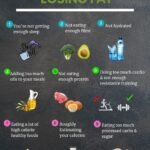
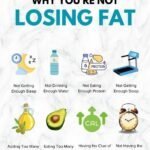
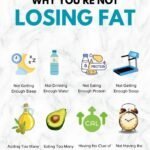
1. You’re Not Getting Enough Sleep
Sleep is one of the most overlooked fat-loss tools. Poor sleep affects hunger hormones, increases cravings, and reduces recovery.
When sleep is low:
-
Hunger hormones increase
-
Cravings rise, especially for sugar
-
Energy levels drop, making workouts weaker
Even with perfect meals, lack of sleep can stall fat loss completely.
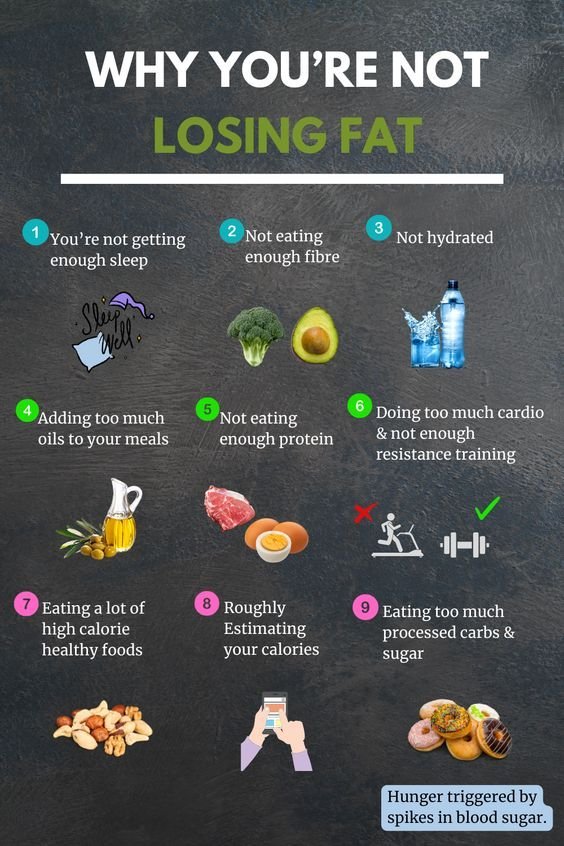
2. You’re Not Eating Enough Fiber
Fiber plays a major role in digestion, blood sugar control, and fullness.
Low fiber intake often leads to:
-
Hunger returning too quickly
-
Blood sugar spikes
-
Digestive sluggishness
Vegetables, fruits, beans, oats, and seeds help regulate appetite naturally—without strict dieting.
3. You’re Not Properly Hydrated
Hydration affects metabolism, digestion, and appetite signals. Mild dehydration is often mistaken for hunger.
Signs hydration may be holding you back:
-
Frequent snacking
-
Low energy
-
Slower digestion
Drinking water consistently throughout the day supports fat loss more than most people expect.
4. You’re Adding Too Much Oil to Meals
Healthy fats are important—but they’re also calorie-dense. Oils add up quickly, even when meals look “clean.”
Common examples:
-
Extra olive oil during cooking
-
Heavy salad dressings
-
Drizzling oils without measuring
Fat loss doesn’t require eliminating fats—just being aware of quantities.
5. You’re Not Eating Enough Protein
Protein helps preserve muscle, supports metabolism, and keeps hunger stable between meals.
Too little protein can lead to:
-
Increased snacking
-
Muscle loss during dieting
-
Slower metabolic rate
Most people benefit from including protein at every meal, not just dinner.
6. Too Much Cardio, Not Enough Resistance Training
Cardio burns calories, but resistance training builds metabolically active muscle.
When cardio dominates:
-
Muscle mass may decrease
-
Metabolism may slow
-
Fat loss plateaus
Strength training doesn’t bulk you up—it supports long-term fat loss efficiency.
7. Eating Large Amounts of “Healthy” High-Calorie Foods
Healthy foods can still stall fat loss if portions creep up.
Common examples:
-
Nuts and nut butters
-
Avocados
-
Granola and trail mixes
These foods are nutritious, but calorie-dense. Portion awareness matters.
8. Roughly Estimating Calories
Even small miscalculations can add up. Estimating instead of tracking often leads to unintentional overeating.
This doesn’t mean tracking forever—but short-term awareness helps reset accuracy and expectations.
9. Too Many Processed Carbs and Sugars
Highly processed carbs and sugars digest quickly and spike blood sugar, often leading to cravings and rebound hunger.
This can cause:
-
Frequent snacking
-
Energy crashes
-
Difficulty staying in a calorie deficit
Whole, minimally processed carbs tend to create more stable appetite control.
How These Factors Work Together
Here’s the key thing to remember: fat loss stalls rarely come from one issue alone. Sleep affects hunger. Hunger affects food choices. Food choices affect energy, training quality, and recovery.
Fat loss isn’t about willpower—it’s about system balance.
Practical Ways to Get Fat Loss Moving Again
Instead of doing everything at once, start with one or two adjustments:
-
Improve sleep consistency
-
Increase protein and fiber
-
Balance cardio with strength training
-
Tighten awareness of oils and portions
Small changes compound faster than aggressive restrictions.
Final Thoughts
If you’ve been wondering why you’re not losing fat, chances are it’s not a lack of effort—it’s one or two habits quietly working against you. Fat loss becomes much easier when sleep, nutrition, hydration, and training are aligned. Instead of pushing harder, step back and adjust smarter.
Save this list and revisit it when progress feels slow. Which one of these stands out as your biggest opportunity right now?