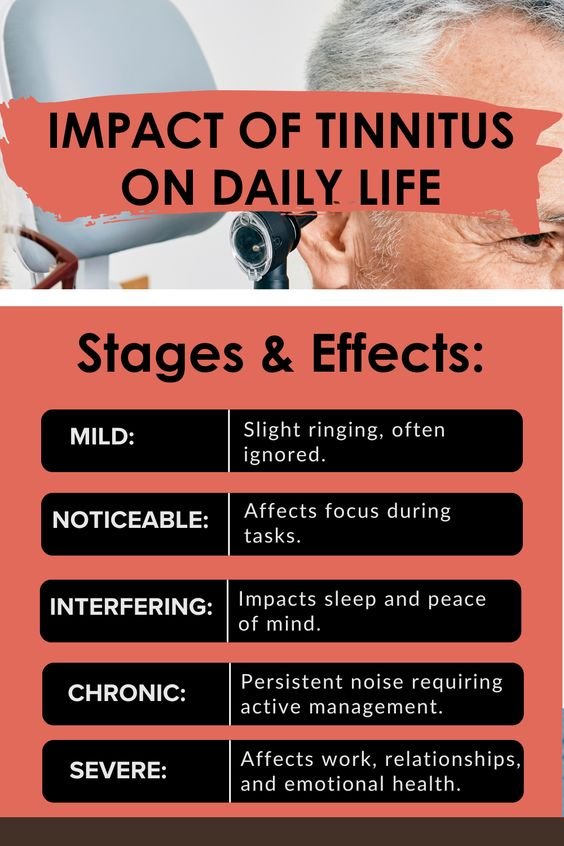
Tinnitus — a ringing, buzzing, or hissing in the ears — affects millions of people worldwide. For some, it comes and goes quietly. For others, it becomes a persistent background sound that affects sleep, concentration, and daily comfort. While tinnitus can affect anyone at any stage of life, certain groups are more prone to developing it than others.
Understanding who faces a higher risk can help with early awareness, better prevention, and smarter hearing protection habits. Below are the groups most likely to experience tinnitus, along with insight into why each category is more vulnerable.
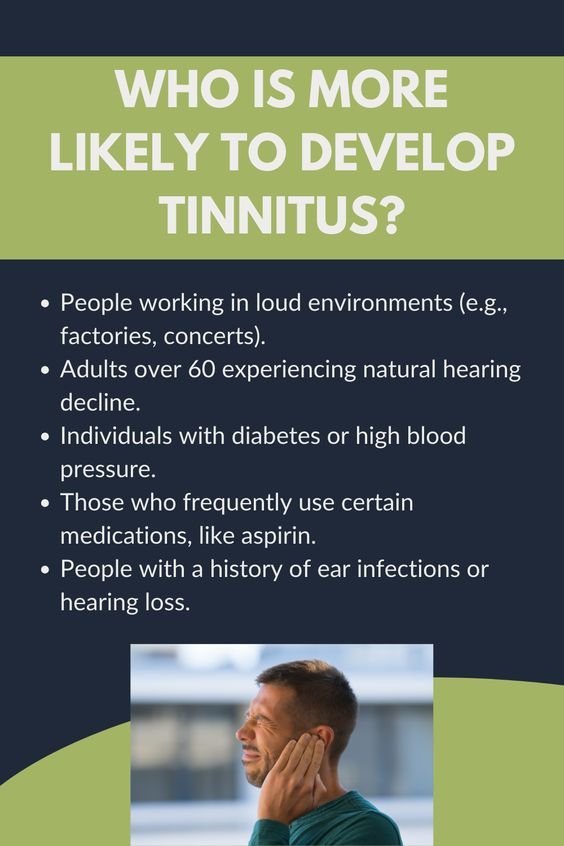
1. People Working in Loud Environments
Jobs or activities involving constant loud noise increase the strain placed on auditory nerves over time. This includes:
✔ Factory workers
✔ Construction crews
✔ Military personnel
✔ Musicians and concert staff
✔ People frequently using power tools
Long-term exposure, especially without ear protection, can damage high-frequency hearing and lead to tinnitus. Earplugs, noise-cancelling devices, and regular ear breaks may help reduce risk.
2. Adults Over 60
Age-related hearing decline is one of the most common triggers of tinnitus. As the inner ear naturally changes with age, sound signals may become weaker or irregular, causing the brain to “fill in the gaps” — often perceived as ringing or humming.
Potential age-related contributors:
-
Loss of hair cells in the cochlea
-
Reduced auditory nerve sensitivity
-
Circulation changes affecting the ear
While age cannot be reversed, early hearing checks and sound-level awareness can support hearing health over time.
3. Individuals With Diabetes or High Blood Pressure
Circulation plays a major role in ear function. Diabetes and hypertension can reduce or disrupt blood flow to the inner ear, impacting hearing clarity and sometimes triggering tinnitus.
Increased risk may come from:
-
Elevated blood sugar levels affecting nerve function
-
Narrowed blood vessels reducing oxygen supply
-
Inflammation from long-term metabolic imbalance
Maintaining blood pressure and glucose within a healthy range may be beneficial for auditory well-being.
4. Frequent Use of Certain Medications
Some medications are known to be ototoxic, meaning they may affect the ear or hearing system in certain individuals. Tinnitus is sometimes reported as a side effect, especially with long-term or high-dose use.
Associated medication categories may include:
-
Aspirin and NSAIDs (in large amounts)
-
Certain antibiotics
-
Some diuretics
-
Specific antidepressants or cancer treatments
Always discuss medication concerns with a healthcare professional before making changes.
5. People With a History of Ear Infections or Hearing Loss
Any prior damage to the ear — whether from infection, trauma, fluid buildup, or sudden hearing change — may make tinnitus more noticeable later. Sometimes the auditory system becomes more sensitive or struggles to process sound accurately.
This group may experience:
-
Residual inflammation
-
Inner ear nerve damage
-
Compromised hearing pathways
-
Intermittent or chronic ringing
Early treatment of infections and regular hearing assessments can help monitor changes.
Why Understanding Risk Matters
Knowing who is more likely to develop tinnitus isn’t about fear — it’s about awareness. With awareness comes prevention.
Key protective steps may include:
| Supportive Habit | Benefit |
|---|---|
| Wearing ear protection in loud areas | Helps prevent noise-induced damage |
| Managing stress, blood pressure & glucose | Supports overall ear function |
| Avoiding extreme volume through headphones | Reduces long-term auditory strain |
| Seeking medical care for recurring ear issues | Helps detect problems early |
Small habits now may protect hearing later.
When to Seek Professional Advice
A doctor or hearing specialist may be helpful if:
-
Tinnitus lasts for several weeks or worsens
-
It interferes with daily focus, sleep, or peace of mind
-
You notice hearing changes or balance issues
-
Symptoms appear suddenly or after illness/injury
Professional support can offer clarity, guidance, and coping methods.
Final Thoughts
While anyone can experience tinnitus, certain groups — including those exposed to loud sound, older adults, individuals with metabolic conditions, frequent medication users, and people with a history of ear infections — face a higher risk. Understanding these patterns encourages prevention, early awareness, and smart hearing habits. Tinnitus doesn’t always mean something serious, but paying attention to ear health today can support comfort and clarity in the long run. With mindful care and informed decisions, it’s possible to better protect your hearing.