Bread is a daily staple for many people. Toast at breakfast, sandwiches at lunch, or a quick snack in between—it’s convenient, affordable, and familiar. But when it comes to choosing between white bread and brown bread, confusion is common. One feels lighter and softer, the other is often labeled as “healthier.”
So which one is actually better?
The answer depends on your goals, digestion, and how bread fits into your overall eating habits. Let’s break down the differences in a simple, realistic way.
Calories: The Difference Is Smaller Than You Think
At first glance, calories seem like the deciding factor.
-
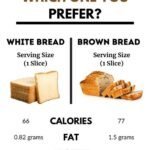
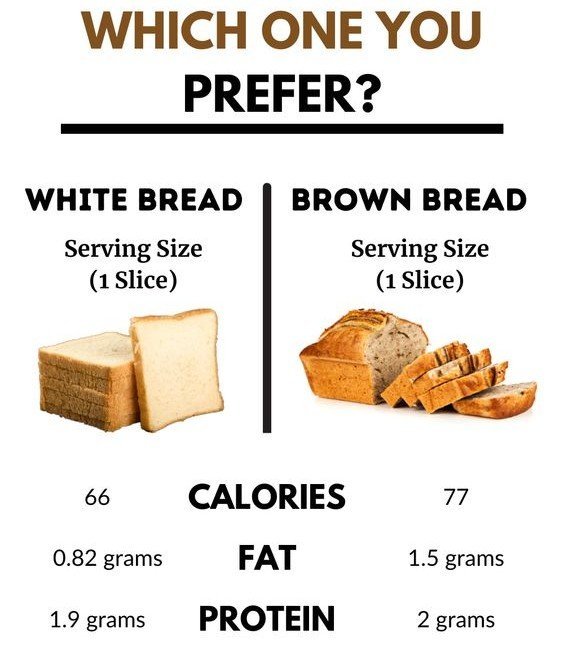
White bread (1 slice): about 66 calories
-
Brown bread (1 slice): about 77 calories
Yes, brown bread contains slightly more calories per slice. But this difference is small and usually doesn’t impact weight on its own. What matters more is how long the bread keeps you full and how your body processes it.
Calories alone don’t tell the full story.
Fat Content: Low in Both Options
Both white and brown bread are naturally low in fat.
-
White bread: around 0.82 grams of fat
-
Brown bread: around 1.5 grams of fat
The difference is minimal and not a major health concern. Neither option is considered high-fat, so fat content isn’t the deciding factor for most people.
Protein: Slight Advantage for Brown Bread
Protein plays a role in fullness and steady energy.
-
White bread: about 1.9 grams of protein per slice
-
Brown bread: about 2 grams of protein per slice
Brown bread offers a small protein advantage. While it’s not a major protein source, every bit helps—especially if you’re trying to stay satisfied between meals.
Fiber: The Most Important Difference
This is where brown bread clearly stands out.
White bread is typically made from refined flour, which removes much of the grain’s natural fiber. Brown bread is usually made from whole grains, meaning it retains more fiber.
Why fiber matters:
-
Helps you feel full longer
-
Supports healthy digestion
-
Slows down blood sugar spikes
-
Reduces frequent hunger and cravings
If you often feel hungry soon after eating white bread, lack of fiber could be the reason.
Blood Sugar Impact and Energy Levels
White bread is digested quickly. This can lead to a rapid rise in blood sugar, followed by an energy dip that makes you feel tired or hungry again soon after eating.
Brown bread digests more slowly due to its fiber content, which helps:
-
Keep blood sugar more stable
-
Provide longer-lasting energy
-
Reduce sudden cravings
For people focused on energy balance or weight management, this difference can matter more than calories.
Which Bread Is Better for Weight Management?
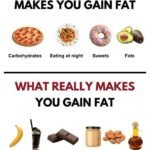
Neither white nor brown bread automatically causes weight gain or weight loss. Portion size and overall diet matter most.
That said, brown bread often supports weight goals better because it:
-
Keeps you fuller longer
-
Reduces unnecessary snacking
-
Supports better digestion
White bread can still fit into a balanced diet, especially when paired with protein or healthy fats like eggs, nut butter, or lean meats.
Taste, Texture, and Personal Preference
Food choices need to be sustainable. Some people prefer the soft texture of white bread, while others enjoy the denser, nuttier taste of brown bread.
If brown bread feels too heavy or dry, switching gradually can help. Many whole-grain breads now have improved texture and flavor, making them easier to enjoy regularly.
The best choice is the one you can stick with consistently.
How to Make Either Option Healthier
No matter which bread you choose:
-
Watch portion sizes
-
Pair bread with protein and fiber
-
Avoid heavily processed varieties with added sugars
-
Read ingredient labels when possible
These habits matter more than choosing one type of bread over the other.
Final Thoughts
When comparing white bread vs brown bread, brown bread generally offers more long-term benefits thanks to its fiber content, steadier digestion, and better support for fullness and energy.
That doesn’t mean white bread is “bad.” It simply digests faster and is easier to overeat without feeling satisfied.
The smartest choice is the one that fits your body, lifestyle, and goals—while helping you feel energized and satisfied.
If this comparison helped clarify things, save it for later or share it with someone trying to make better everyday food choices.