If you spend a lot of time outside — whether walking, biking, or just enjoying nature — your ears are constantly exposed to wind, noise, and environmental stress. Protecting your hearing might not always be top of mind, but it’s a small habit that makes a huge difference over time.
In this post, you’ll learn four easy, practical ways to protect your ears outdoors and reduce the risk of noise-related irritation or long-term hearing issues. Let’s dive in!
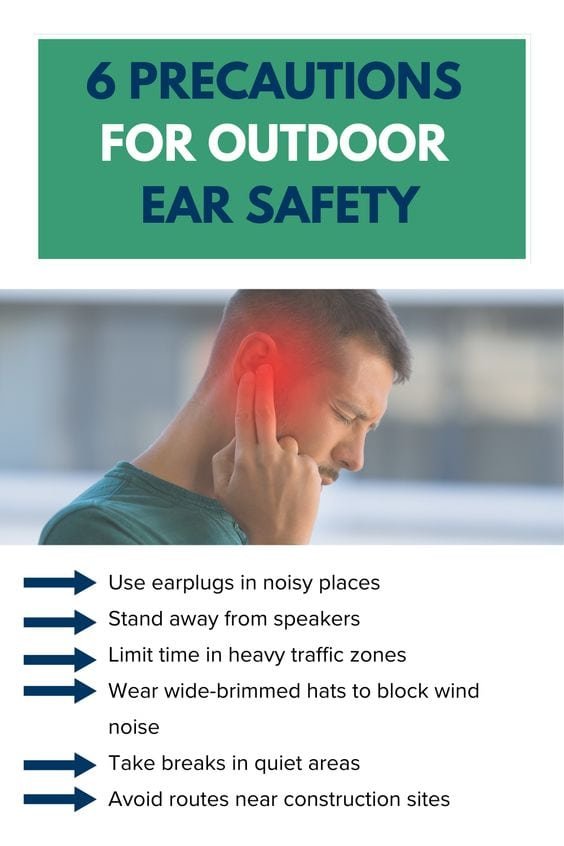
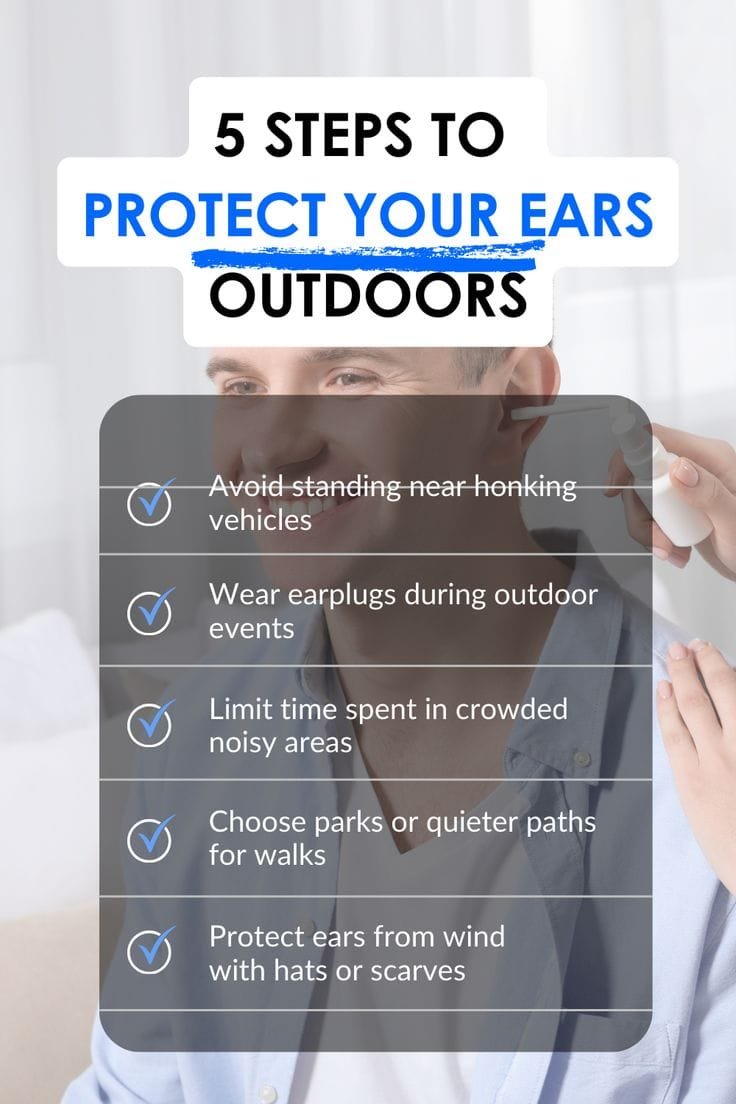
1. Wear a Hat to Buffer Wind Noise
When strong winds rush past your ears, they can create a low, rumbling noise that not only feels uncomfortable but can also cause ear fatigue. A simple fix? Wear a soft hat or headband that covers your ears.
Fleece or wool caps work well in cooler months, while breathable cotton hats or wide-brimmed sun hats help in summer. These accessories buffer wind vibration and prevent direct exposure to cold air — which can cause earaches or trigger conditions like tinnitus in sensitive individuals.
👉 Bonus tip: For outdoor sports or cycling, consider wearing lightweight earbands or windproof headgear for maximum comfort.
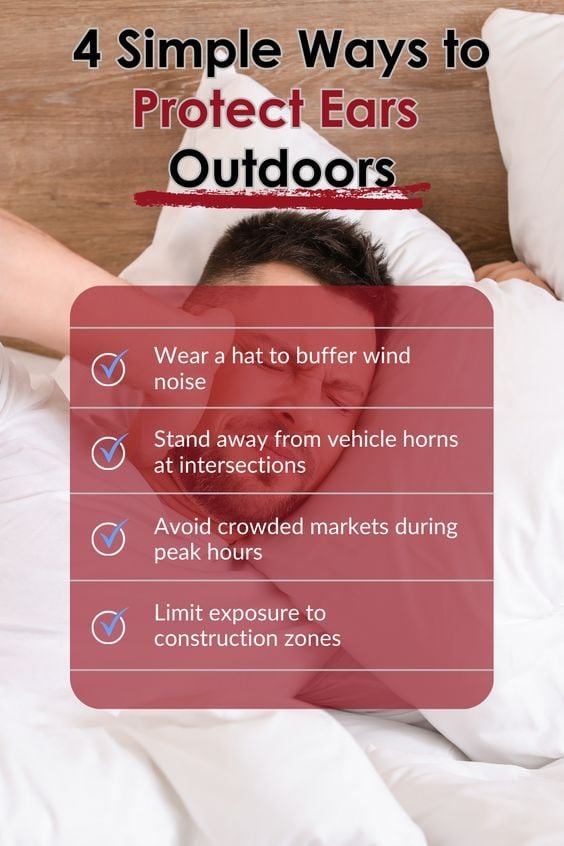
2. Stand Away from Vehicle Horns at Intersections
Urban noise can be surprisingly damaging to your ears. Honking horns, sirens, and traffic chaos often reach 90–110 decibels — levels that can strain your hearing over time.
Whenever you’re outdoors in busy areas, maintain a little distance from traffic lights or intersections where horns are frequent. Even a few extra meters can significantly reduce your exposure.
If you walk or commute daily, noise-reducing earplugs are an excellent option. They’re small, affordable, and can protect your ears without blocking important sounds like conversations or alerts.
3. Avoid Crowded Markets During Peak Hours
Markets and outdoor gatherings can get surprisingly loud — especially when mixed with background music, loudspeakers, and chatter. Over time, these short bursts of intense sound can make your ears feel tired or “ringing.”
Try visiting markets or events during quieter hours in the morning or early afternoon. Not only will it be easier on your ears, but you’ll also enjoy a more relaxed shopping experience.
If avoiding noise isn’t possible, take short quiet breaks in between. Step aside for a few minutes in a calmer area to let your ears reset. Think of it like giving your hearing a little breather.
4. Limit Exposure to Construction Zones
Construction areas are some of the noisiest outdoor environments, often exceeding 100 decibels with drills, saws, and heavy machinery. Repeated exposure — even for short periods — can harm your hearing health.
Whenever possible, avoid walking close to construction zones. If your route regularly passes one, consider rerouting or using noise-canceling headphones to block harsh sounds.
For workers or nearby residents, hearing protection like industrial ear muffs or reusable silicone plugs can make a world of difference. Your future self will thank you!
Final Thoughts: Small Steps = Stronger Hearing Health
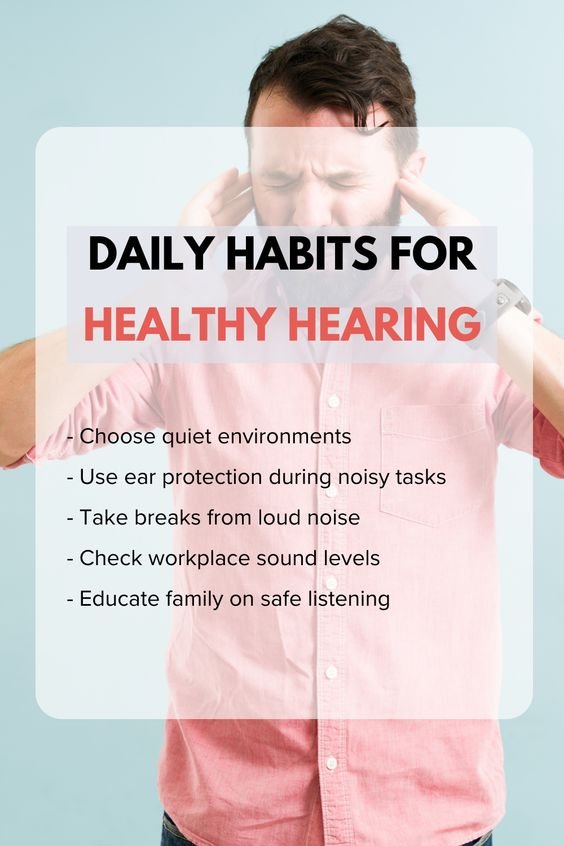
Protecting your ears outdoors doesn’t require fancy equipment or complicated routines — just awareness and a few mindful habits.
-
Cover your ears from the wind.
-
Step away from noise sources.
-
Plan quiet times in loud environments.
-
Choose safe routes when construction is nearby.
Every small action adds up to long-term hearing comfort and protection.
So next time you head outdoors, remember: your ears deserve care, too. 💚
👉 Save this post for later or share it with someone who spends time outside — their ears will thank you!