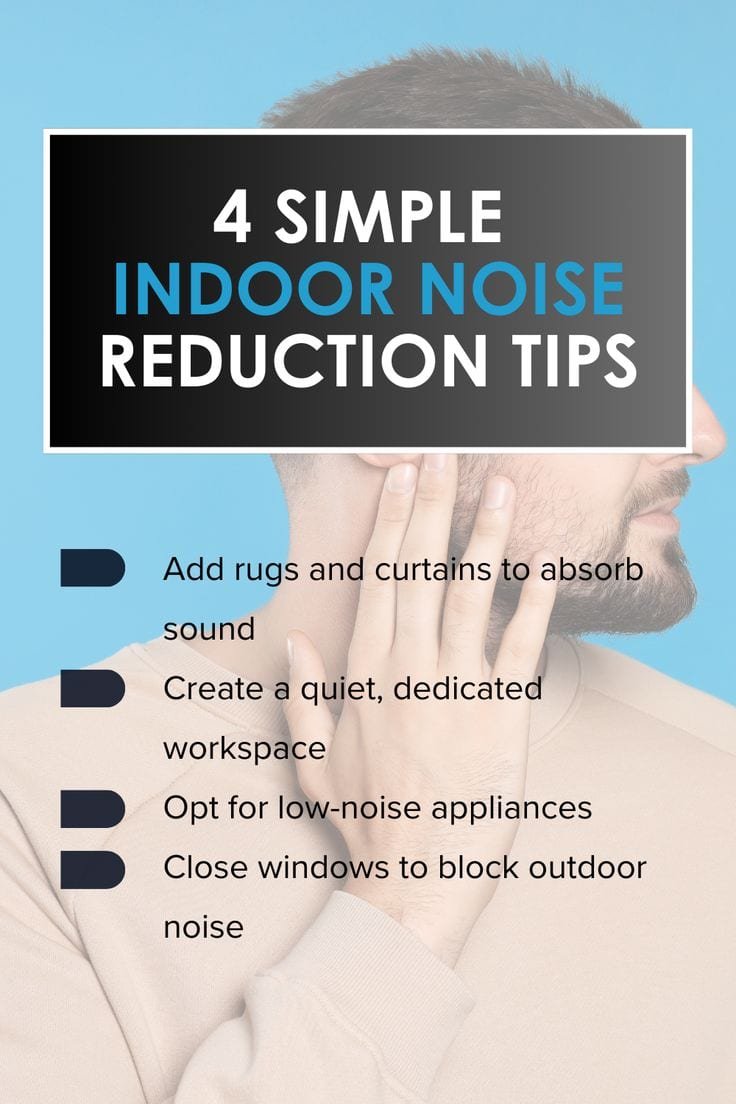
Noise pollution isn’t just an outdoor problem — it can affect your home too. Constant background noise from traffic, appliances, or neighbors can slowly harm your hearing and increase stress levels. The good news? You can create a calmer, quieter home environment with just a few practical tweaks.
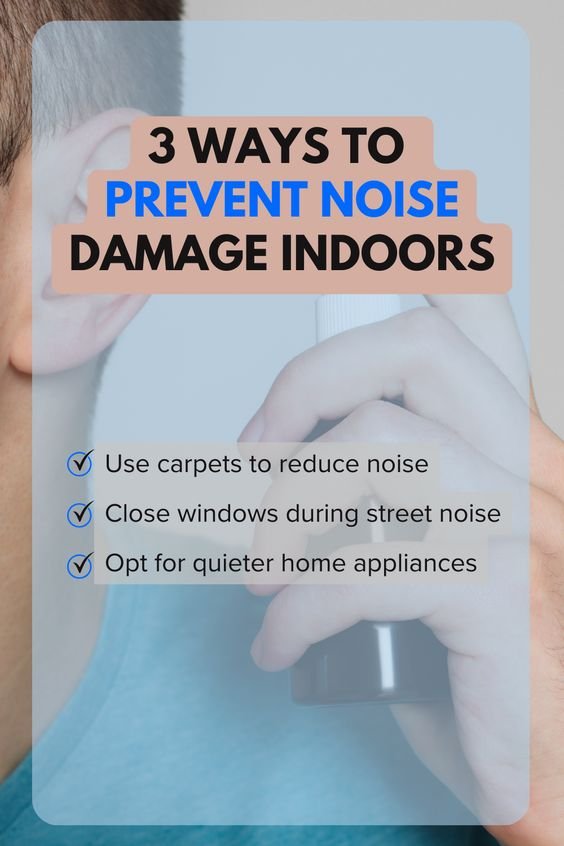
Here are three simple ways to reduce indoor noise and protect your hearing naturally.
1. Use Carpets and Soft Furnishings to Absorb Sound
Hard surfaces like tiles and wooden floors bounce sound waves around, making your home noisier than you think. Carpets, rugs, and soft furniture act like sound sponges — they absorb echoes and lower overall noise levels.
Try placing thick area rugs in high-traffic spaces like the living room or hallway. Add curtains, wall hangings, or fabric furniture to further dampen unwanted sounds. Even small touches, like cushions or upholstered chairs, can make a noticeable difference.
Pro tip: Layering rugs or using acoustic panels can make your home feel cozier and quieter.
2. Close Windows During High Street Noise
Street traffic, construction work, or loud neighbors can easily invade your peaceful indoor space. Keeping your windows shut during peak noise times — especially in the morning or evening — can drastically reduce sound levels.
For extra insulation, invest in double-glazed or soundproof windows. They don’t just block noise — they also help with energy efficiency, keeping your home warmer in winter and cooler in summer.
If replacing windows isn’t an option, you can add weather-stripping or thick curtains to muffle the outside world.
3. Opt for Quieter Home Appliances
Ever noticed how your washing machine or blender seems louder than it should be? Household appliances can be sneaky sources of daily noise pollution.
When buying new appliances, look for the decibel (dB) rating on the label — the lower, the better. Quiet dishwashers, fridges, or vacuum cleaners make a big difference in maintaining a peaceful environment.
You can also place anti-vibration pads under heavy machines like washers or dryers to minimize rattling sounds.
Final Thoughts
Preventing noise damage indoors doesn’t require major renovations — just thoughtful changes to your surroundings. By using soft furnishings, keeping windows sealed, and choosing quiet appliances, you can enjoy a calmer, healthier space for your ears and mind.
If you found these tips helpful, pin this post for later and start transforming your home into a peaceful retreat today. 🏡✨