Your ears do more than help you hear music, conversations, or your morning alarm. They also play a role in balance, focus, and how connected you feel to the world around you. That’s why noticing early warning signs your ears need attention is so important.
Many people brush off ear-related symptoms as “normal” or temporary. A little ringing here, a bit of pressure there—it’s easy to ignore. But these small signals can be your body’s way of asking you to slow down and listen, literally. Let’s walk through the most common signs and what they could mean for you.
1. Constant Buzzing or Ringing Sounds
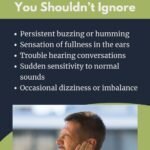
If you hear a persistent buzzing, ringing, or high-pitched tone when there’s no external sound, you’re not alone. This is one of the most talked-about warning signs your ears need attention.
This type of sound is often associated with tinnitus, but it doesn’t always mean something severe. Stress, lack of sleep, loud noise exposure, or even dehydration can trigger it. The key thing to notice is consistency. If the sound keeps returning or becomes part of your daily life, it’s worth paying attention to rather than tuning out.
Think of it like a smoke alarm with low batteries—it’s not an emergency yet, but it shouldn’t be ignored.
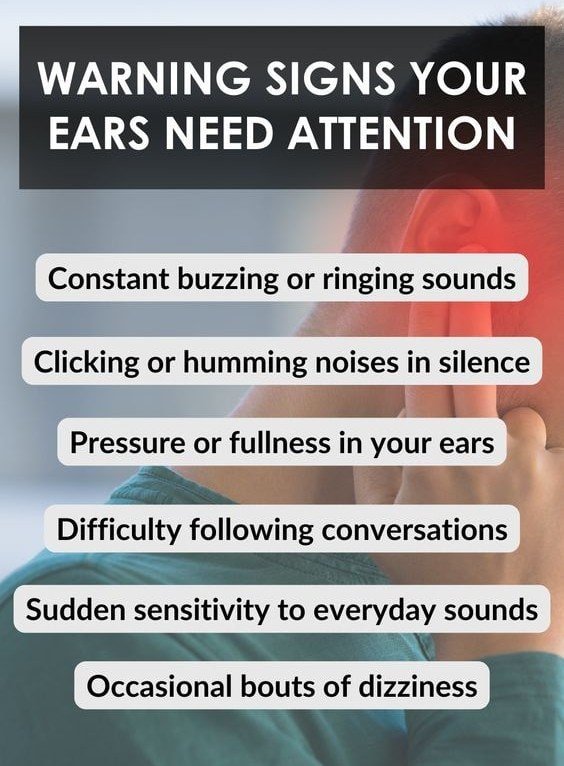
2. Clicking or Humming Noises in Silence
Do your ears make soft clicking, humming, or tapping sounds when the room is quiet? Many people notice this at night when everything else finally settles down.
These noises can be related to muscle movements in the middle ear or changes in pressure. While occasional sounds are common, frequent or distracting noises may be one of those subtle early ear problem symptoms that get overlooked.
Silence often reveals what busy daytime noise hides.
3. Pressure or Fullness in Your Ears
A feeling of pressure, fullness, or “blocked” ears—especially without a cold or flight—can be another sign your ears need care.
This sensation may be linked to fluid buildup, sinus issues, or changes in ear pressure regulation. It can feel similar to wearing earplugs all day, even when nothing is actually blocking your ears.
If this feeling lingers or keeps coming back, it’s one of the clearer signs of ear health issues that deserves attention.
4. Difficulty Following Conversations
Have you ever found yourself asking people to repeat themselves more often? Or struggling to follow conversations in noisy places?
Difficulty processing speech, especially in group settings, is not just about volume. It can also relate to how your brain and ears work together. This is one of the more overlooked warning signs your ears need attention, because people often blame distraction or background noise.
But if conversations feel exhausting or unclear, your ears may be working harder than they should.
5. Sudden Sensitivity to Everyday Sounds
When normal sounds—like clinking dishes, traffic, or children talking—start feeling uncomfortably loud, it can be confusing and frustrating.
This sensitivity doesn’t always mean your hearing is “too good.” In fact, it can signal irritation or imbalance within the auditory system. Many people experiencing this describe feeling overwhelmed by noise they once ignored.
Sound sensitivity is another early ear problem symptom that often appears alongside stress or fatigue, making it easy to dismiss.
6. Occasional Bouts of Dizziness
Your ears play a major role in balance, so dizziness can sometimes be connected to ear function. Feeling lightheaded, off-balance, or slightly dizzy—even briefly—can be unsettling.
While dizziness has many possible causes, when it shows up alongside other ear-related symptoms, it becomes one of the more important warning signs your ears need attention.
If your balance feels “off,” your ears may be part of the conversation.
When Should You Take These Signs Seriously?
Here’s a simple rule of thumb:
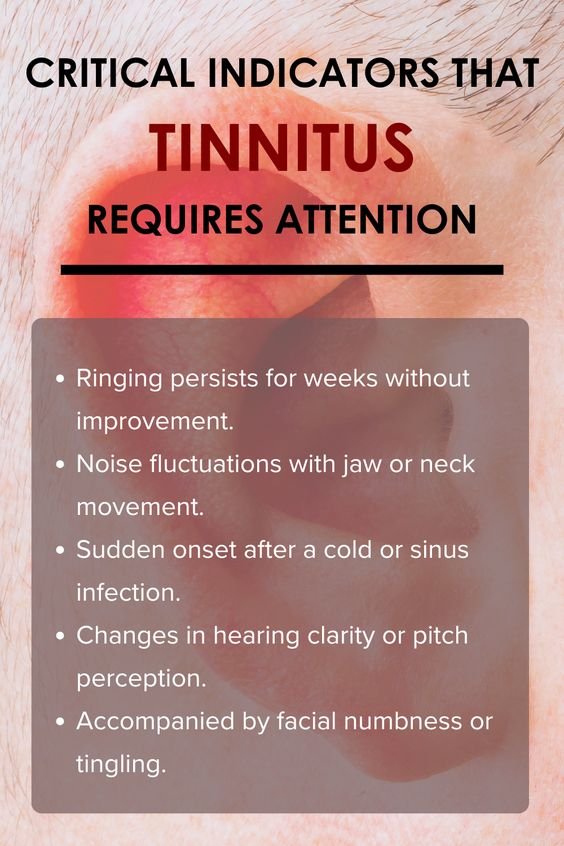
If a symptom is persistent, worsening, or affecting your daily life, it’s worth taking seriously.
You don’t need to panic or jump to conclusions. Instead, notice patterns. Are symptoms happening more often? Are they showing up together? Awareness is the first step toward better ear health.
Final Thoughts
Your body is always communicating with you, and your ears are no exception. From ringing sounds to pressure, sensitivity, and dizziness, these warning signs your ears need attention are gentle nudges—not scare tactics.
Listening early can help you make informed decisions, protect your hearing, and feel more comfortable in everyday life. If something feels off, trust that instinct. Your ears quietly support you every day—it’s okay to support them back.
👉 Save this post for later if ear health is something you want to stay mindful about.
👉 Which sign surprised you the most?