Tinnitus can feel like a mysterious whisper in the background—sometimes soft, sometimes overwhelming, and often confusing. If you’ve seen posts online breaking down surprising tinnitus facts, you might wonder what’s actually true and what you should pay attention to. The truth is, understanding tinnitus can make the experience far less frightening.
In this post, you’ll learn five unknown facts about tinnitus, along with simple steps to help you feel more in control of your symptoms.
1. Tinnitus Affects Nearly 15% of the Global Population
You’re not alone—far from it. Tinnitus affects millions worldwide, and while it feels incredibly personal, it’s a very common condition.
What does this mean for you?
It means support, understanding, and research are growing. Doctors now have more tools and strategies to help you identify triggers, manage symptoms, and reduce the constant ringing or buzzing. For many people, simply knowing they aren’t alone brings a sense of relief.
Why This Matters
-
Helps reduce fear and uncertainty
-
Encourages earlier medical consultation
-
Highlights how common ear-related stress truly is
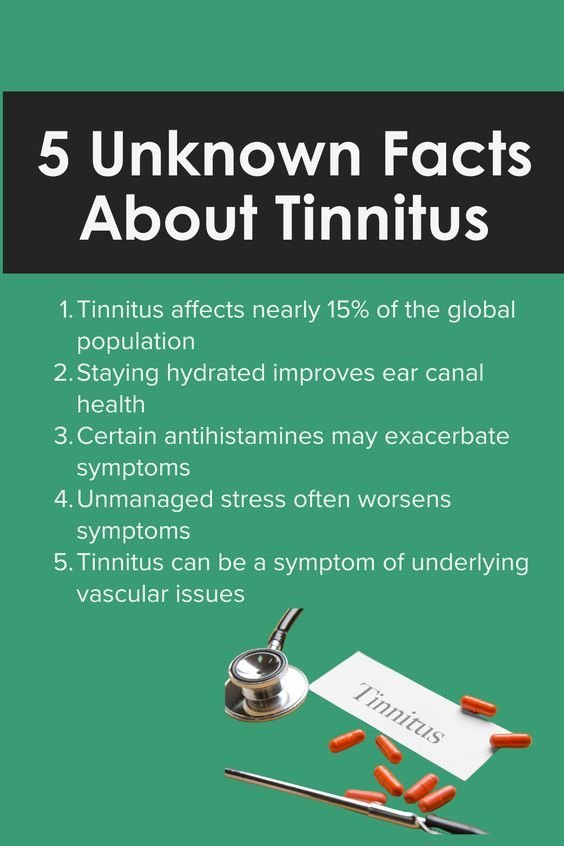
2. Staying Hydrated Can Improve Ear Canal Health
This is one many people never expect. Hydration affects everything from digestion to brain function, and yes—your ears too.
When your body doesn’t have enough water, your ear canals can dry out, increasing inflammation and disrupting the delicate balance of inner-ear fluids.
How Hydration Helps
-
Supports proper fluid movement inside the cochlea
-
Reduces dryness and irritation
-
Helps stabilize blood flow that feeds the auditory nerve
Try keeping a water bottle nearby throughout the day. Small habit, big difference.
3. Certain Antihistamines May Exacerbate Symptoms
This is a surprising one. People often take antihistamines for allergies, sinus issues, or colds—but some types may actually worsen tinnitus symptoms.
Why It Happens
Certain antihistamines can cause dryness or temporarily affect the middle ear pressure, which can make ringing more noticeable.
What You Can Do
-
Track when your symptoms spike
-
Discuss medications with your doctor
-
Ask about alternatives with fewer auditory side effects
Your goal isn’t to avoid necessary medication—just to understand how your body responds.
4. Unmanaged Stress Often Makes Symptoms Worse
If you’ve ever noticed your tinnitus spike after a long day, an argument, or feeling overwhelmed, you’re not imagining it. Stress and tinnitus are heavily connected.
How Stress Affects Tinnitus
-
Triggers your nervous system
-
Heightens your brain’s sensitivity to internal sounds
-
Increases muscle tension in the neck and jaw
Simple Calming Habits
-
Slow breathing or mindfulness
-
Gentle evening stretches
-
Short outdoor walks
-
Reducing caffeine after noon
Even small daily practices can soften the intensity of symptoms.
5. Tinnitus Can Be a Symptom of Underlying Vascular Issues
One of the least-known facts is that tinnitus can sometimes point to issues with blood flow. Pulsatile tinnitus—where the ringing matches your heartbeat—is particularly connected to vascular changes.
What to Watch For
-
Rhythmic whooshing sounds
-
Changes when you turn your head
-
Symptoms that worsen when lying down
Why This Matters
Understanding vascular connections helps ensure you rule out more serious causes early. If this matches your experience, always mention it during your next medical visit.
Final Thoughts
Tinnitus isn’t just “ringing in the ears”—it’s a complex experience shaped by hydration, stress, medication, and even blood flow. The good news? The more you understand these 5 unknown facts about tinnitus, the easier it becomes to recognize what triggers your symptoms and how to manage them day by day.
If this breakdown helped you, feel free to save this post for later or share it with someone who might need it. Managing tinnitus starts with awareness—and you’re already one step ahead.