Tinnitus can feel overwhelming—especially when the sounds are unpredictable or interfere with sleep, focus, or daily life. While there’s no universal cure, many people find meaningful relief by combining different approaches that address both the ears and the nervous system.
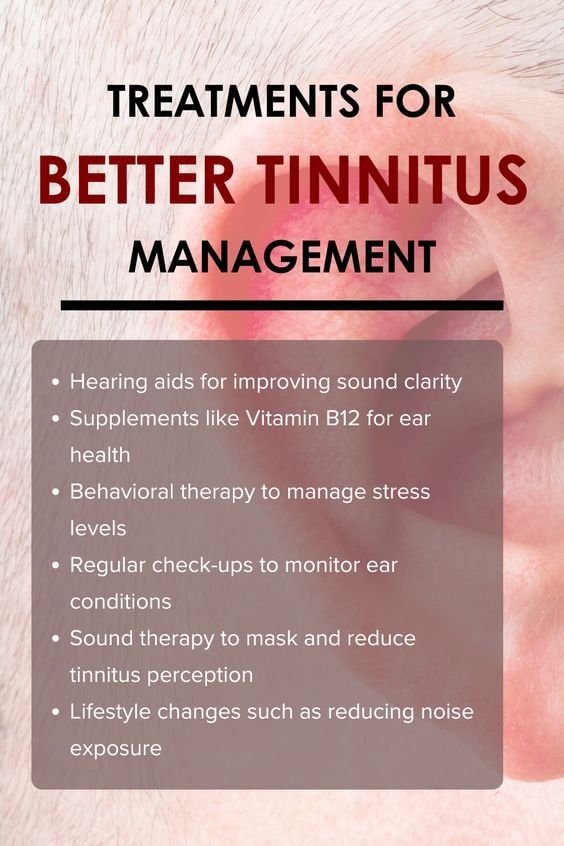
Better tinnitus management isn’t about silencing sound overnight. It’s about reducing how intrusive it feels and improving quality of life over time. Below are several commonly recommended treatments for better tinnitus management, each playing a different but supportive role.
1. Hearing Aids to Improve Sound Clarity
For people with hearing loss, tinnitus often becomes more noticeable in quiet environments. Hearing aids can help by amplifying external sounds, which makes internal noise less dominant.
They may help by:
-
Improving overall sound clarity
-
Reducing contrast between silence and tinnitus
-
Helping the brain focus on external sounds instead
Why this helps: When the brain receives clearer sound input, tinnitus often feels less intrusive.
2. Supplements Like Vitamin B12 for Ear Health
Some individuals with tinnitus are found to have nutritional deficiencies, including Vitamin B12.
Supplementation may:
-
Support nerve health
-
Contribute to overall ear function
-
Help in cases where deficiency is present
It’s important to note that supplements are not a cure and should be discussed with a healthcare professional before use.
Why this helps: Supporting general nerve and ear health can be beneficial when deficiencies exist.
3. Behavioral Therapy to Manage Stress Levels
Stress doesn’t cause tinnitus—but it often makes symptoms worse.
Behavioral approaches such as cognitive or stress-focused therapy can help by:
-
Reducing anxiety around tinnitus
-
Improving coping strategies
-
Lowering nervous system overactivation
These therapies don’t remove tinnitus but can significantly change how it’s perceived.
Why this helps: When stress decreases, tinnitus often becomes easier to tolerate.
4. Regular Check-Ups to Monitor Ear Conditions
Routine evaluations help track changes in hearing and rule out treatable issues.
Regular check-ups may:
-
Identify hearing changes early
-
Detect wax buildup or infections
-
Provide reassurance through monitoring
Even stable tinnitus benefits from occasional professional review.
Why this helps: Early detection prevents small issues from becoming larger concerns.
5. Sound Therapy to Mask and Reduce Perception
Sound therapy introduces gentle background noise that makes tinnitus less noticeable.
Common options include:
-
White noise
-
Nature sounds
-
Low-level ambient audio
The goal isn’t to drown out tinnitus—but to reduce contrast between silence and internal sound.
Why this helps: The brain gradually learns to pay less attention to tinnitus.
6. Lifestyle Changes to Reduce Noise Exposure
Protecting your ears from excessive noise is essential for long-term management.
Helpful habits include:
-
Using ear protection in loud environments
-
Lowering headphone volume
-
Taking listening breaks
Reducing noise exposure helps prevent worsening symptoms.
Why this helps: Less auditory stress supports long-term ear health.
How These Treatments Work Together
Most people find the best results by combining approaches rather than relying on just one.
For example:
-
Hearing aids improve sound input
-
Sound therapy reduces awareness
-
Stress management improves tolerance
-
Lifestyle changes protect long-term hearing
Tinnitus management is often about creating balance, not chasing a single solution.
Common Misunderstanding About Tinnitus Treatment
A common misconception is that treatment must eliminate tinnitus completely to be effective. In reality, success often looks like:
-
Better sleep
-
Less emotional distress
-
Improved concentration
-
Reduced awareness during the day
Progress is usually gradual and personal.
Final Thoughts
There’s no one-size-fits-all answer when it comes to tinnitus, but these treatments for better tinnitus management offer practical ways to reduce its impact on daily life. By addressing hearing health, stress, lifestyle habits, and ongoing monitoring, many people find tinnitus becomes far more manageable over time.
If symptoms persist or worsen, seeking professional guidance is always a wise step.
👉 Save this for later, and ask yourself: Which of these approaches feels like the best place for you to start?