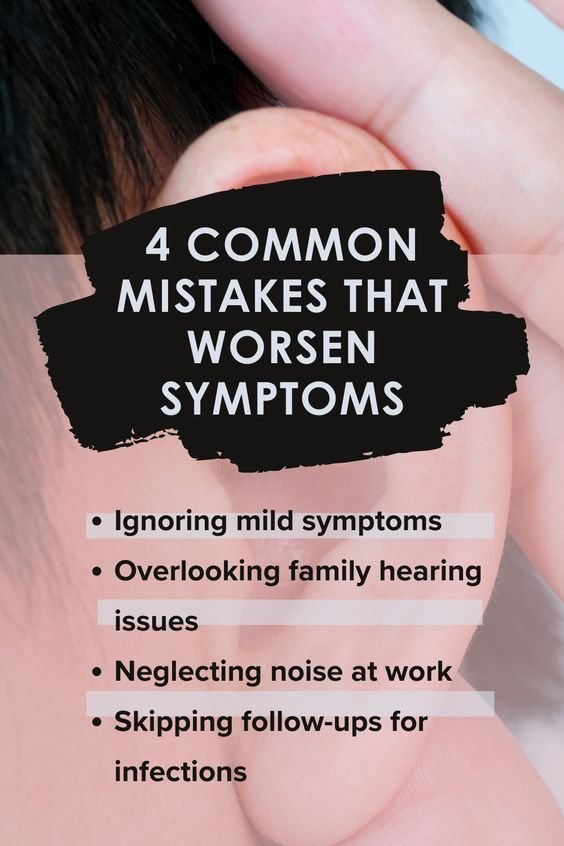
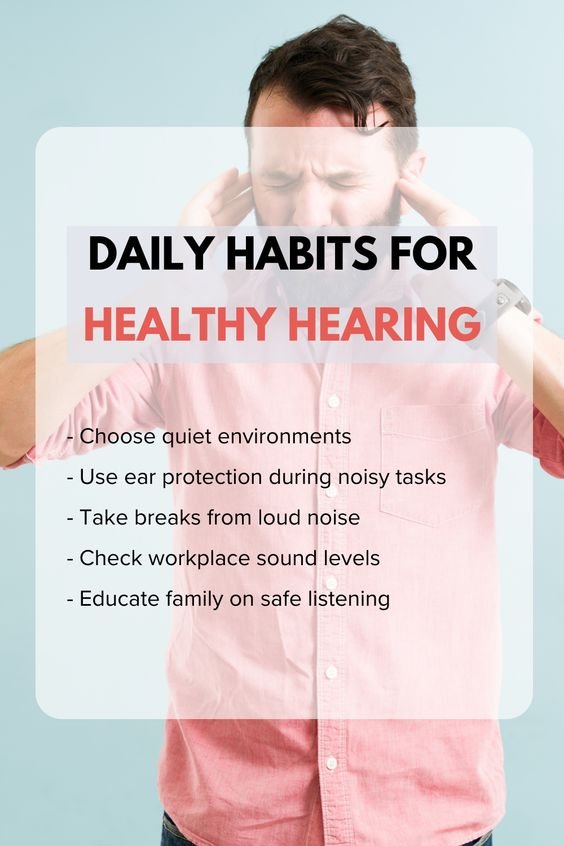
Hearing is something many of us take for granted—until it starts causing problems. Ringing, sensitivity to noise, or difficulty hearing conversations often don’t appear overnight. They build slowly through daily habits. That’s why understanding and applying essential tips for better hearing health matters long before major symptoms show up.
Small choices like how you listen to music, where you stand in noisy environments, and how quickly you respond to discomfort can protect your hearing for years to come. This guide walks you through five practical habits that can make a real difference.
1. Avoid Standing Near Loud Machinery
One of the most important tips for better hearing health is limiting exposure to loud machinery. Construction equipment, generators, factory tools, and even some gym machines can produce sound levels that damage hearing over time.
Why this matters:
-
Loud noise strains the inner ear
-
Damage can occur without immediate pain
-
Repeated exposure increases long-term risk
Whenever possible, increase your distance from noise sources or use hearing protection like earplugs or earmuffs. Even short exposure at high volume adds up.
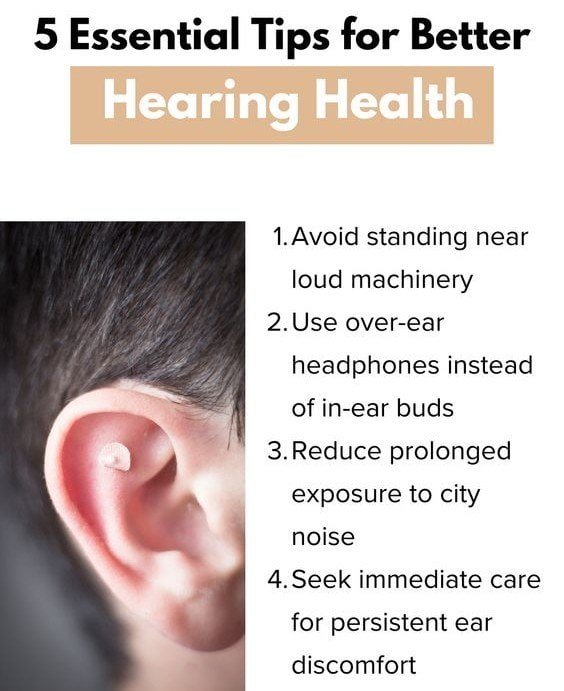
2. Choose Over-Ear Headphones Instead of Earbuds
How you listen is just as important as what you listen to. In-ear earbuds sit close to the eardrum, often requiring lower volumes to still feel “loud.”
Over-ear headphones are generally safer because:
-
They distribute sound more evenly
-
Many offer built-in noise cancellation
-
They reduce the need to increase volume
This doesn’t mean over-ear headphones are risk-free—volume still matters—but they provide better protection when used thoughtfully.
3. Reduce Prolonged Exposure to City Noise
City life comes with constant background noise: traffic, sirens, public transport, and crowded spaces. While none of this may seem extreme, long-term exposure to moderate noise can impact hearing health.
Ways to reduce daily noise stress:
-
Take quieter routes when walking
-
Use noise-canceling headphones without music
-
Schedule quiet breaks during your day
Giving your ears occasional silence helps them recover and lowers cumulative stress on your hearing system.
4. Don’t Ignore Persistent Ear Discomfort
Ear discomfort isn’t something to “push through.” Pain, pressure, ringing, buzzing, or fullness in the ears are signals that deserve attention.
Signs to take seriously:
-
Ringing that lasts more than a few days
-
Ear pain or sensitivity to sound
-
Sudden changes in hearing clarity
Seeking care early can help identify issues before they become chronic. Waiting too long often limits available solutions.
5. Make Hearing Checkups Part of Your Health Routine
Many people regularly check eyesight or dental health but overlook hearing altogether. Routine hearing assessments help catch small changes early—even before symptoms become noticeable.
Benefits of regular hearing checks:
-
Early identification of hearing changes
-
Personalized protection recommendations
-
Better long-term hearing outcomes
If you’re exposed to noise often, use headphones daily, or notice subtle changes, a hearing evaluation is a proactive step—not an overreaction.
Why These Hearing Health Tips Matter Long-Term
Hearing loss and ear-related issues often develop quietly. Once damage occurs, it’s usually irreversible—but prevention is incredibly effective. These essential tips for better hearing health focus on reducing strain, limiting exposure, and responding early instead of reacting late.
Think of hearing health like joint health or eyesight: consistency beats intensity. Small daily decisions add up faster than most people expect.
Common Habits That Slowly Harm Hearing
Even without obvious loud noise, some habits chip away at ear health over time:
-
Turning music up to block background noise
-
Sleeping with earbuds regularly
-
Skipping recovery time after noisy events
Replacing these with protective alternatives can preserve hearing for decades.
How to Build Hearing-Friendly Habits Into Daily Life
You don’t need to change everything at once. Start with one or two adjustments:
-
Lower your default volume setting
-
Take listening breaks every hour
-
Carry ear protection when attending loud events
-
Pay attention to ear fatigue
Awareness is the first step toward prevention.
Final Thoughts
Protecting your ears doesn’t require extreme measures—just mindful habits. These 5 essential tips for better hearing health focus on reducing daily noise exposure, choosing safer listening tools, and responding early to discomfort. When you treat hearing as part of overall wellness, you protect not just sound—but focus, balance, and quality of life.
Save this guide as a reminder and revisit it occasionally. Which one of these habits feels easiest for you to adopt starting today?