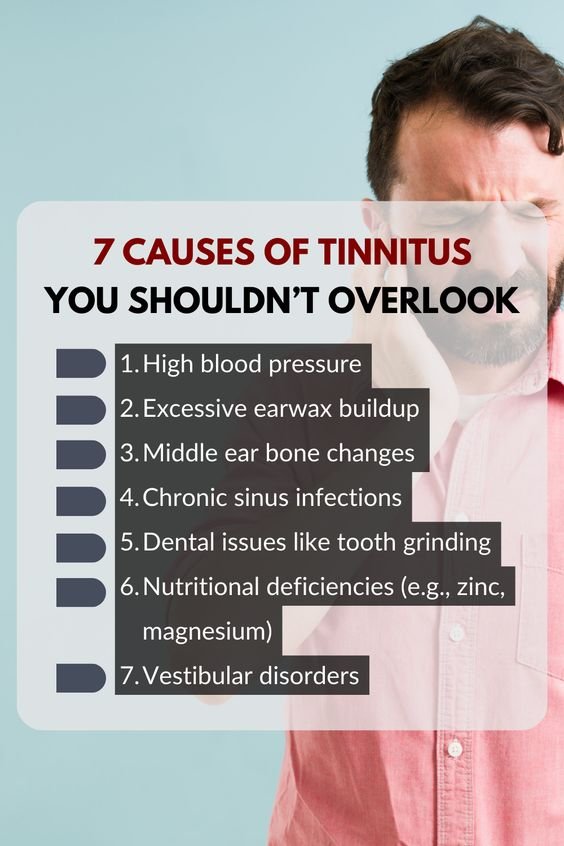
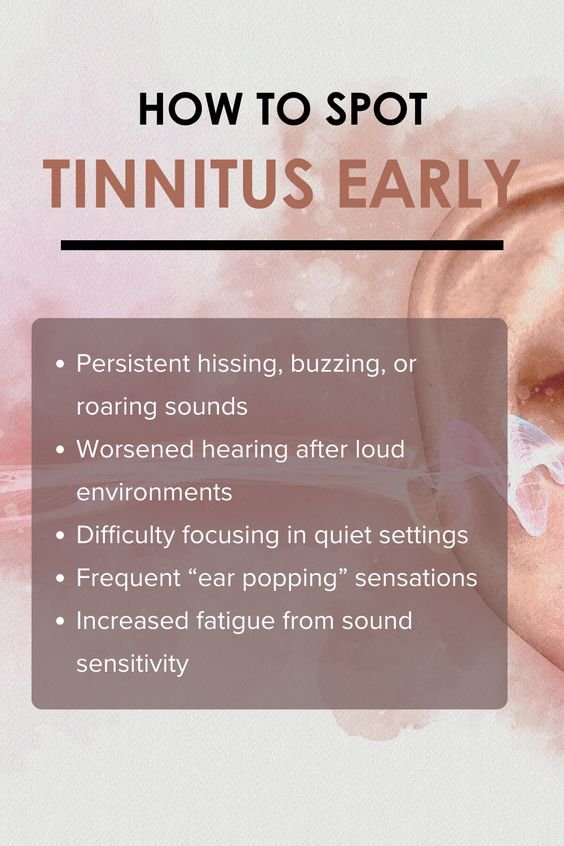
If you’ve ever noticed ringing, buzzing, or humming in your ears that doesn’t seem to go away, you’re not alone. Tinnitus affects millions worldwide — but how do you know when it’s something more serious? Here’s how to recognize the red flags and take action before it affects your hearing or balance.
1. When Tinnitus Comes with Dizziness or Balance Problems
If your tinnitus is accompanied by dizziness or balance issues, it could point to an inner ear disorder such as Meniere’s disease or vestibular dysfunction. These conditions affect both hearing and equilibrium, and early diagnosis can make a big difference in treatment success.
2. When Neck or Head Movements Make It Worse
Do you notice that turning your head or moving your neck intensifies the ringing? This could be a sign of somatic tinnitus, where muscle tension or cervical spine problems influence your auditory nerves. A physiotherapist or ENT specialist can often identify these triggers.
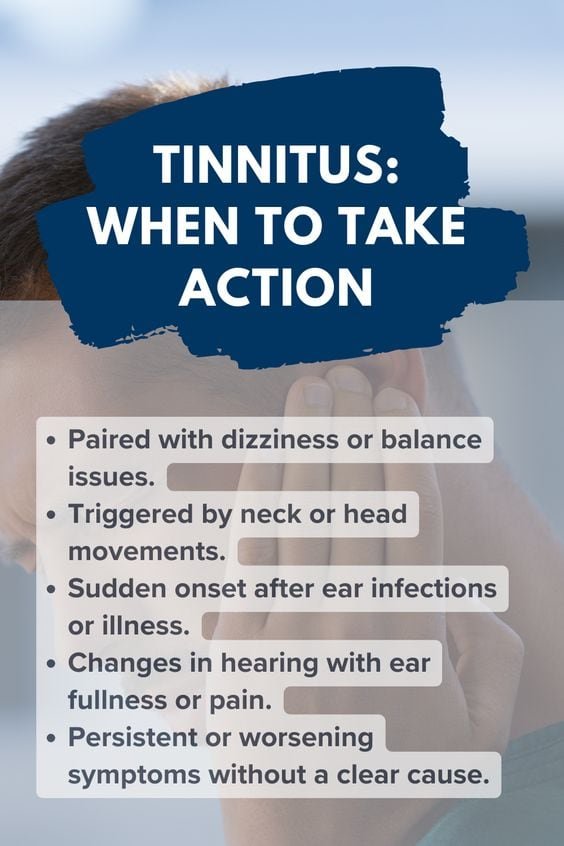
3. After Ear Infections or Sudden Illness
Sometimes tinnitus appears suddenly after an ear infection or cold. This may mean fluid buildup, inflammation, or nerve irritation. If the ringing doesn’t fade within a few days, it’s best to visit your doctor. Prompt care can prevent long-term damage or hearing loss.
4. Changes in Hearing or Ear Fullness
Feeling like your ear is full or your hearing has dulled? These symptoms could indicate earwax buildup, Eustachian tube dysfunction, or even hearing nerve issues. Tinnitus in this case often signals that your ear system needs attention — not just your patience.
5. Persistent or Worsening Tinnitus Without Cause
If your tinnitus keeps getting louder or more frequent without an obvious reason, it’s time for an audiological exam. Persistent tinnitus may relate to age-related hearing loss, exposure to loud noise, or even blood vessel conditions. Early testing helps identify the root cause.
6. Emotional and Sleep Impact
Beyond the physical symptoms, tinnitus can disrupt sleep and cause anxiety. If it’s affecting your peace of mind, it’s absolutely worth seeking help. Sound therapy, mindfulness techniques, and CBT (cognitive behavioral therapy) have shown great success in managing tinnitus-related stress.
7. How to Take the Right Action
Start by visiting an ENT specialist or audiologist for a hearing assessment. They can run sound tests and evaluate potential causes — from wax blockage to nerve damage. Keep a symptom diary noting when the ringing worsens, what triggers it, and how long it lasts. This record helps your doctor find patterns and possible treatments.
Conclusion
Tinnitus isn’t always harmless — sometimes, it’s your body’s way of signaling deeper ear or nerve issues. If your symptoms fit any of these warning signs, don’t ignore them. Schedule a professional checkup and protect your hearing health early.
💡 Pin this guide for later or share it with someone who might need it!