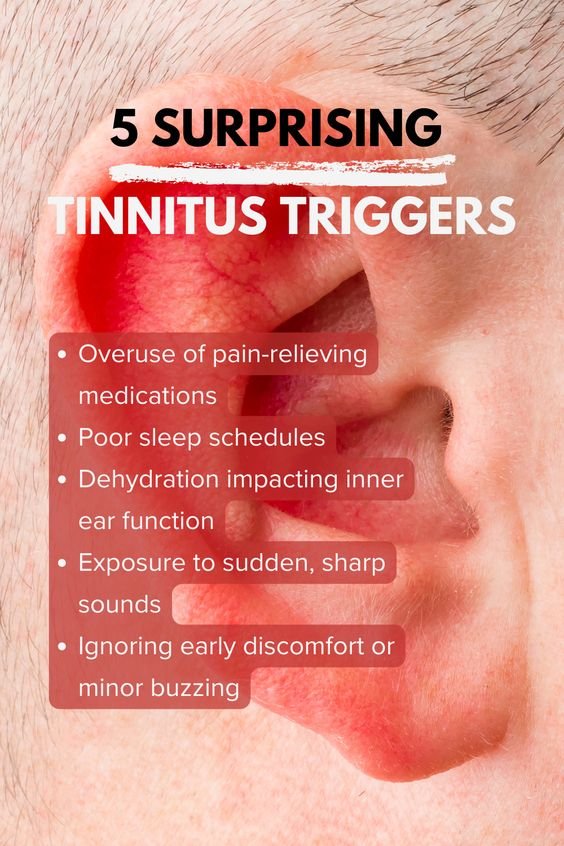
Ever wondered why your tinnitus seems louder some days? The truth is, certain everyday habits can make that ringing in your ears worse. The good news? Once you know what’s triggering it, you can take steps to manage it better.
In this post, we’ll explore the five most common tinnitus triggers and simple ways to keep them under control.
1. Too Much Caffeine Can Affect Blood Flow
Caffeine isn’t necessarily the enemy — but too much of it can constrict blood vessels and affect circulation in the inner ear. This can sometimes make tinnitus sounds more noticeable.
If you rely on multiple cups of coffee or energy drinks daily, try switching to green tea or decaf versions to see if your symptoms ease up.
2. Exposure to Loud or High-Pitched Sounds
Regular exposure to screeching brakes, construction noise, or loud music can damage the delicate hair cells in your inner ear. These cells don’t regenerate — meaning consistent exposure can worsen tinnitus over time.
Use earplugs in noisy environments or take “quiet breaks” throughout the day to give your ears a rest.

3. Stress and Anxiety
Stress affects your whole body — including your auditory nerves. When stress hormones spike, your tinnitus can feel louder and more intrusive.
Consider daily relaxation techniques such as deep breathing, gentle yoga, or mindful journaling to calm both your mind and your ears.
4. Dehydration and Ear Dryness
Your inner ear needs adequate hydration to function properly. Poor hydration can lead to dryness and even increase ear sensitivity.
Make it a habit to sip water throughout the day, especially if you’re drinking caffeine or alcohol, both of which can dehydrate you faster.
5. Sudden Air Pressure Changes
If you’ve noticed your ears ringing more during flights or mountain drives, changes in air pressure might be to blame. Rapid shifts can strain the Eustachian tube, which helps balance pressure in your ear.
Try swallowing, yawning, or chewing gum during takeoff and landing to equalize pressure naturally.
Bonus Tip: Track Your Triggers
Keep a simple diary of when your tinnitus feels worse — note what you ate, your stress level, and your surroundings. Patterns often reveal themselves over time, making it easier to avoid flare-ups.
Conclusion
Managing tinnitus often comes down to awareness. By identifying and avoiding common triggers like caffeine, loud sounds, and dehydration, you can reduce flare-ups and feel more in control of your day.
If you found these tips helpful, pin this post for later or share it with someone who might benefit. Small daily habits can make a big difference in how you experience tinnitus.