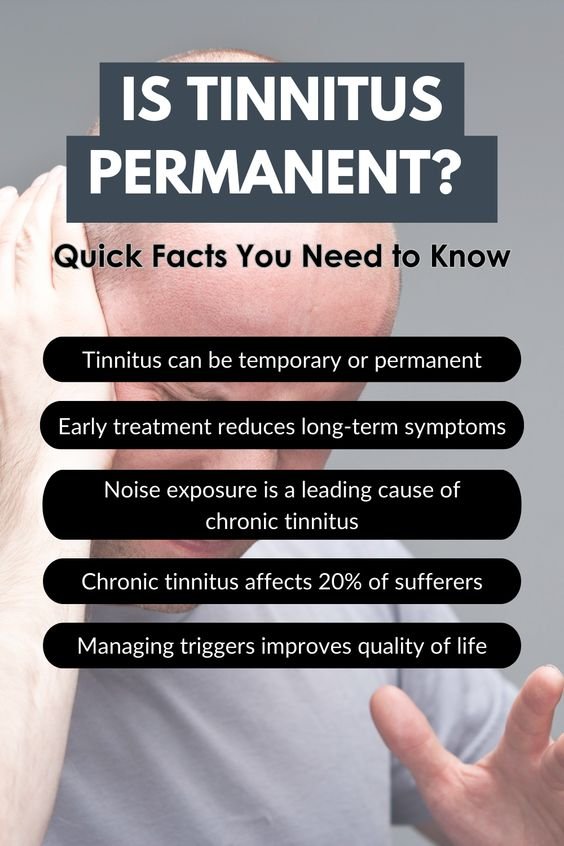
Ever noticed a persistent ringing or buzzing in your ears that just won’t go away? You’re not alone. Tinnitus affects millions worldwide, often linked to everyday habits or unnoticed health issues.
The good news? By understanding the most common tinnitus risk factors, you can take small steps to protect your hearing and reduce that unwanted noise. Let’s explore what really puts you at risk — and how to keep your ears healthy.
1. Loud Work Environments
Working in noisy places like construction sites, factories, or even bustling restaurants can cause long-term damage to your inner ear. Constant exposure to loud machinery or tools weakens the tiny hair cells responsible for hearing.
Tip: Use noise-canceling earplugs or earmuffs at work and take quiet breaks to let your ears rest.
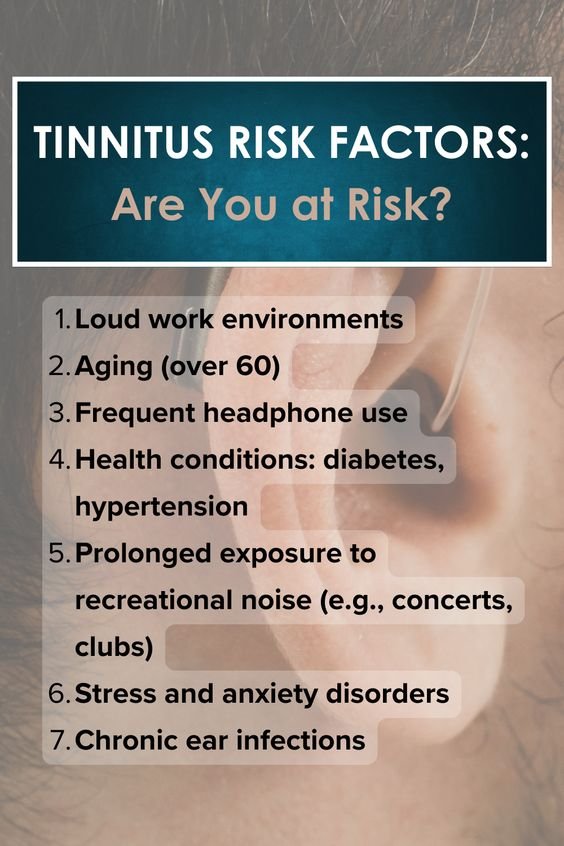
2. Aging (Over 60)
As we age, natural hearing loss (called presbycusis) becomes more common. The inner ear’s sensory cells gradually wear out, making older adults more prone to tinnitus.
Tip: Schedule regular hearing tests after 60. Early detection of mild hearing loss can help prevent tinnitus from worsening.
3. Frequent Headphone Use
Listening to music or podcasts at high volume through headphones can strain your ears just like loud machinery does. Over time, this can lead to ringing, buzzing, or muffled hearing.
Tip: Follow the 60/60 rule — keep volume under 60% and limit listening time to 60 minutes before taking a break.
4. Health Conditions: Diabetes & Hypertension
Chronic conditions like diabetes and high blood pressure affect blood flow to the inner ear, which is essential for healthy hearing. Poor circulation can lead to tinnitus symptoms over time.
Tip: Keep your blood sugar and blood pressure in check through diet, exercise, and medical guidance. A heart-healthy lifestyle benefits your ears too.
5. Prolonged Exposure to Recreational Noise
Frequenting loud concerts, clubs, or sports events can trigger temporary or even permanent tinnitus. These high-decibel experiences overstimulate your hearing system.
Tip: Always carry reusable earplugs when heading to a concert or event. They lower noise intensity without ruining the experience.
6. Stress and Anxiety Disorders
Tinnitus often gets worse during periods of high stress. Anxiety can heighten your perception of sound, making the ringing seem louder.
Tip: Try mindfulness, yoga, or breathing exercises to calm your nervous system. Even five minutes a day of relaxation can make a noticeable difference.
7. Chronic Ear Infections
Repeated ear infections cause inflammation and fluid buildup, sometimes leading to hearing damage and tinnitus.
Tip: Don’t ignore recurring ear pain or discharge — get checked by a healthcare provider. Prompt treatment prevents long-term complications.
How to Lower Your Tinnitus Risk Naturally
-
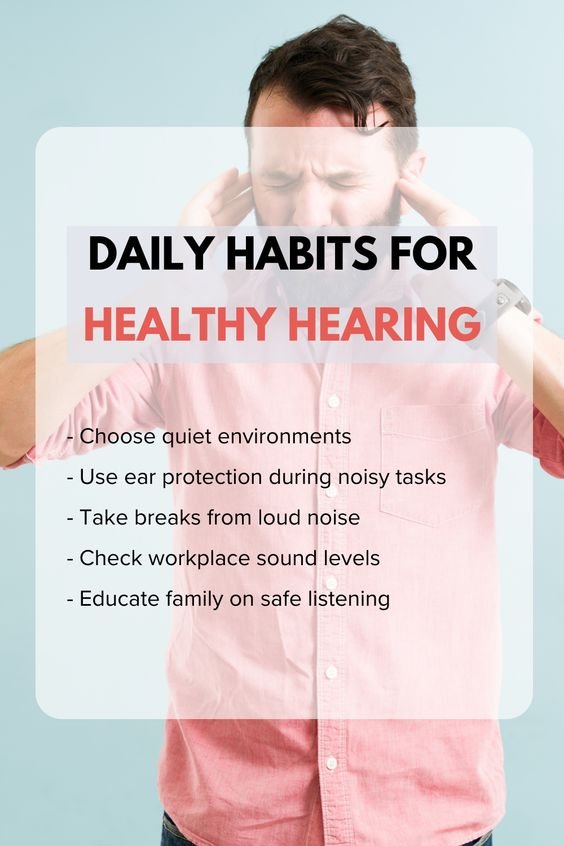
Protect your ears: Wear hearing protection in noisy settings.
-
Limit screen and headphone time: Give your ears rest.
-
Manage stress: Gentle exercise or meditation helps keep tinnitus under control.
-
Eat for ear health: Nutrient-rich foods like leafy greens, fish, and berries support circulation and inner ear function.
-
Stay hydrated: Dehydration can worsen tinnitus symptoms.
Final Thoughts
Understanding tinnitus risk factors is the first step toward protecting your hearing health. Whether it’s reducing noise exposure, managing stress, or monitoring health conditions, small daily actions can make a big difference.
If you found these tips helpful, save this post for later or share it with someone who might benefit. Your ears deserve care — start today by giving them the quiet they need.