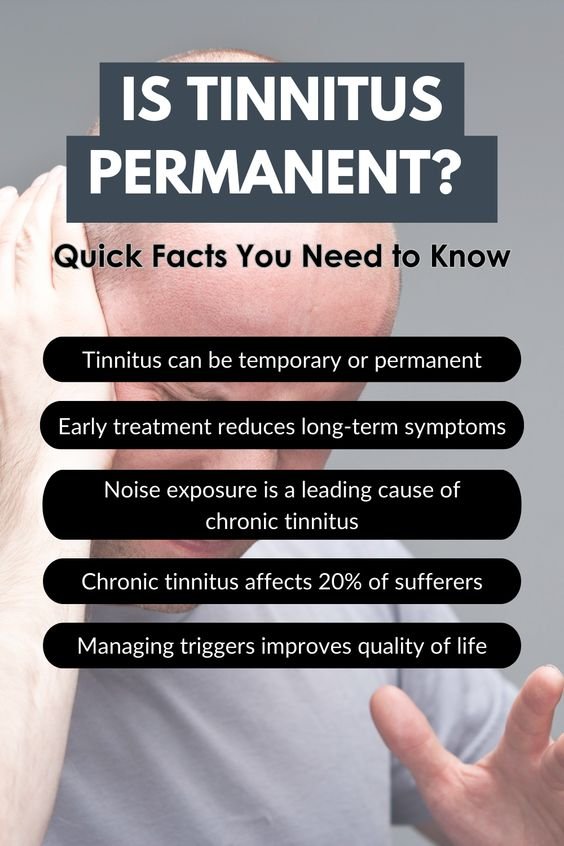
Tinnitus — the ringing, buzzing, or hissing sound heard without an external source — affects millions of people, and one of the most common questions is whether it can be reversed. The answer isn’t simple, because tinnitus differs from person to person and depends heavily on its cause. Some cases fade with time, while others require long-term management and care. Understanding what influences reversibility can help reduce anxiety, empower better decisions, and encourage earlier action.
Below, we’ll break down when tinnitus may improve, when it becomes chronic, and why a personalized care approach matters.
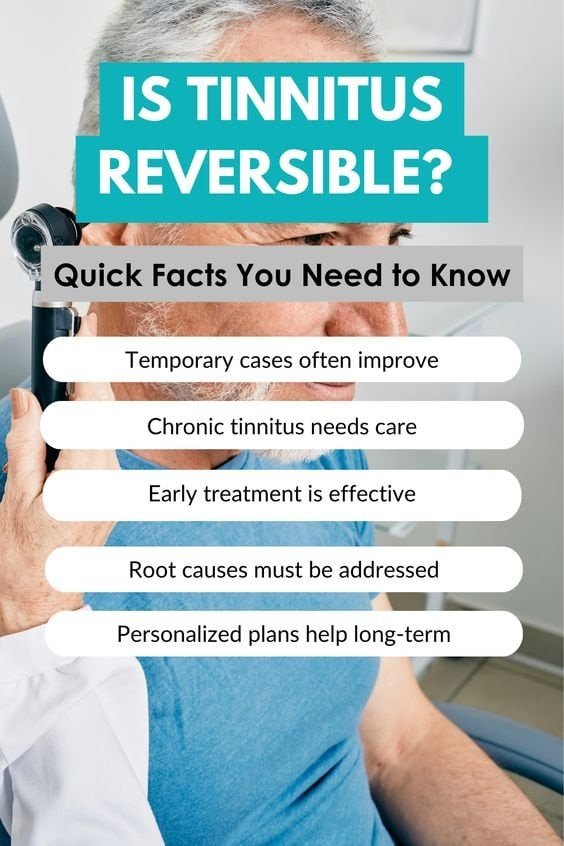
Temporary Tinnitus Often Improves
In many cases, tinnitus is temporary — especially if triggered by short-term factors like loud music exposure, earwax blockage, stress, or minor infections. When the root cause is addressed, symptoms may gradually reduce or even disappear.
Common short-term triggers include:
-
Exposure to loud sound at concerts or work
-
Sudden earwax buildup
-
Ear or sinus infection
-
Temporary stress spikes or sleep disruption
Recovery can take days to several weeks depending on severity and ear sensitivity.
Chronic Tinnitus Requires Ongoing Management
When tinnitus lasts for months or years, it is considered chronic. This does not always mean symptoms are permanent, but improvement typically takes longer and may involve multiple approaches.
Chronic tinnitus may relate to:
-
Age-related hearing changes
-
Long-term noise exposure
-
Circulatory issues
-
Nerve-related hearing loss
-
Certain medications
In these cases, the goal often shifts from complete removal to symptom reduction, coping strategies, and better daily comfort.
Early Treatment Makes a Significant Difference
The sooner tinnitus is addressed, the better the chance of improvement. Early evaluation helps determine underlying causes and prevents worsening from ongoing exposure or untreated conditions.
Helpful early-action steps include:
-
Hearing check with an audiologist
-
Managing stress, sleep, and lifestyle factors
-
Protecting ears from loud environments
-
Addressing infections or blockages quickly
Slowing progression early is easier than reversing advanced irritation later on.
Identifying the Root Cause Is Essential
Tinnitus is not a disease — it’s a symptom. Improving it often involves tracing the underlying reason rather than only focusing on the sound itself. A root-cause approach can guide the right support strategy.
Potential root causes may include:
| Cause | Treatment Approach |
|---|---|
| Earwax buildup | Removal by a professional |
| Noise damage | Ear protection + hearing care |
| Medication side effects | Medical review + adjusted prescriptions |
| Stress or tension | Relaxation and lifestyle strategies |
| Circulation issues | Medical evaluation + targeted support |
Correct direction begins with accurate diagnosis.
Personalized Plans Often Work Best Long-Term
No single solution works for everyone. Many people find relief through a combination of sound therapy, lifestyle adjustments, stress management, and hearing health practices tailored specifically to their needs.
Personalized management may include:
-
Sound masking or white noise at night
-
Meditation or breathing exercises
-
Reducing caffeinated or stimulating habits if they worsen symptoms
-
Hearing support devices for sound clarity
-
Home sound-therapy apps for comfort
Small improvements can add up — consistency matters.
When to Seek Professional Support
Medical help is especially important if tinnitus:
-
Appears suddenly or after injury
-
Is accompanied by dizziness or hearing loss
-
Interferes with sleep or mental well-being
-
Intensifies instead of improving
A hearing specialist can evaluate the cause, guide management strategies, and provide tailored care options.
Final Thoughts: So — Can Tinnitus Be Reversible?
The answer is sometimes. Temporary tinnitus often improves when the cause is corrected, while chronic tinnitus may require ongoing support rather than complete reversal. Early care offers the greatest chance for relief, and identifying root triggers is key. With the right guidance, many people manage symptoms more comfortably and regain a sense of control — even if the sound doesn’t disappear entirely.