If you’ve ever dealt with ringing, buzzing, humming, or pulsing sounds in your ears, you’ve probably wondered: Is tinnitus permanent? It’s a question many people ask, especially when the noise becomes distracting or constant. The reality is that tinnitus varies from person to person. For some, it’s temporary and fades once the underlying cause is addressed. For others, it becomes a long-term or chronic condition that requires ongoing management.
In this guide, you’ll learn the key facts about tinnitus, why it happens, what influences its duration, and the steps you can take to improve your quality of life.
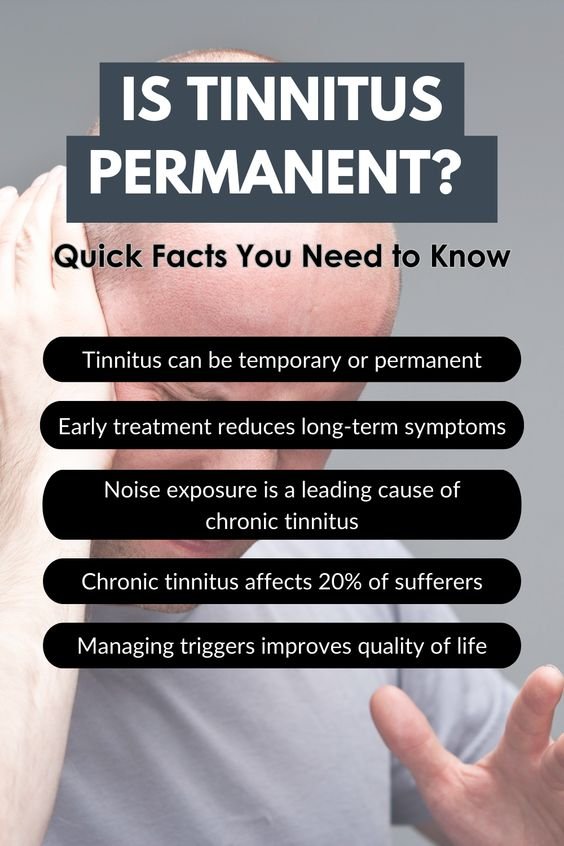
⭐ 1. Tinnitus Can Be Temporary or Permanent
Not all tinnitus lasts forever. In many cases, the sound is temporary and resolves on its own—especially when it’s triggered by minor or short-term issues.
Temporary tinnitus may occur due to:
-
Loud noise exposure (concerts, fireworks, machinery)
-
Earwax buildup
-
Stress or anxiety
-
Sinus infections or colds
-
Certain medications
-
Lack of sleep
Temporary tinnitus often fades as soon as the trigger is removed or treated.
Permanent tinnitus, however, is usually linked to:
-
Hearing loss
-
Long-term noise exposure
-
Age-related damage
-
Auditory nerve injury
Even when tinnitus becomes long-lasting, many people learn techniques that reduce its intensity and impact.
⭐ 2. Early Treatment Reduces Long-Term Symptoms
The sooner you take action, the better your chances of preventing tinnitus from becoming chronic. Early evaluation can reveal underlying issues that are easier to treat when caught early.
Helpful early steps include:
-
Getting a hearing test
-
Treating earwax safely
-
Managing inflammation or infections
-
Reducing stress levels
-
Adjusting medications (with medical supervision)
-
Learning proper ear protection habits
Even if tinnitus doesn’t disappear completely, early intervention often reduces its long-term severity and improves daily comfort.
⭐ 3. Noise Exposure Is a Leading Cause of Chronic Tinnitus
One of the strongest predictors of whether tinnitus becomes permanent is noise exposure. Repeated or prolonged exposure can damage the tiny hair cells inside the inner ear. Once these cells are damaged, they do not regenerate.
Common noise-related risks include:
-
Listening to loud music, especially through earbuds
-
Working in loud environments (construction, factories)
-
Attending concerts without ear protection
-
Using power tools or heavy machinery
-
Sudden explosive sounds
Ways to protect your ears:
-
Keep headphone volume below 60%
-
Wear earplugs in noisy settings
-
Use noise-canceling headphones (so you don’t turn volume up)
-
Take regular listening breaks
Noise-induced tinnitus is preventable, which makes awareness incredibly important.
⭐ 4. Chronic Tinnitus Affects About 20% of People with Symptoms
Tinnitus is more common than many people realize. About 1 in 5 people who experience tinnitus develop chronic symptoms. This includes individuals with:
-
Hearing loss
-
TMJ issues
-
Long-term sound sensitivity
-
Inner-ear damage
-
Persistent stress or anxiety
-
Circulation or blood pressure issues
Chronic tinnitus doesn’t always mean the sound is loud or constant. Many people experience mild, mostly ignorable background noise—especially in quiet environments or during stressful moments.
While it may not disappear entirely, chronic tinnitus can still be managed successfully with lifestyle changes, sound therapy, and medical support.
⭐ 5. Managing Triggers Improves Quality of Life
Even when tinnitus sticks around, learning to manage your triggers can significantly reduce how much it affects your daily life.
Common triggers include:
-
Stress
-
Caffeine or alcohol
-
Loud noises
-
Poor sleep
-
Neck or jaw tension
-
Dehydration
-
High blood pressure
-
Hormonal changes
-
Temperature shifts
Helpful habits to reduce flare-ups:
✔ Stay Hydrated
Inner-ear fluid balance depends on consistent hydration.
✔ Use Background Noise
Soft sound—like rain, white noise, or music—helps the brain “tune out” tinnitus.
✔ Relax the Jaw and Neck
Stretching tight muscles can reduce pressure around the ear.
✔ Protect Your Ears
Avoiding loud noise helps prevent worsening symptoms.
✔ Maintain a Good Sleep Routine
Fatigue can make tinnitus sound louder.
You don’t have to eliminate every trigger at once. Even small adjustments can bring noticeable relief.
⭐ Final Thoughts
So, is tinnitus permanent? For many people, it’s temporary and improves with time, treatment, or lifestyle changes. For others, it becomes a long-term condition that requires ongoing care—but even chronic tinnitus can be managed with the right strategies. The more you understand your triggers, protect your ears, and support your overall health, the better your chances of controlling the symptoms and improving your daily comfort.