If you live with tinnitus, you’ve probably heard all kinds of advice—some helpful, some confusing, and some just plain inaccurate. Misunderstandings can make the ringing feel even harder to manage, especially when they create fear or false expectations.
In this guide, we’re clearing up some of the most common myths surrounding tinnitus and replacing them with clear, calm, and reassuring facts. Understanding the truth is one of the best ways to regain confidence and feel more in control of your symptoms.
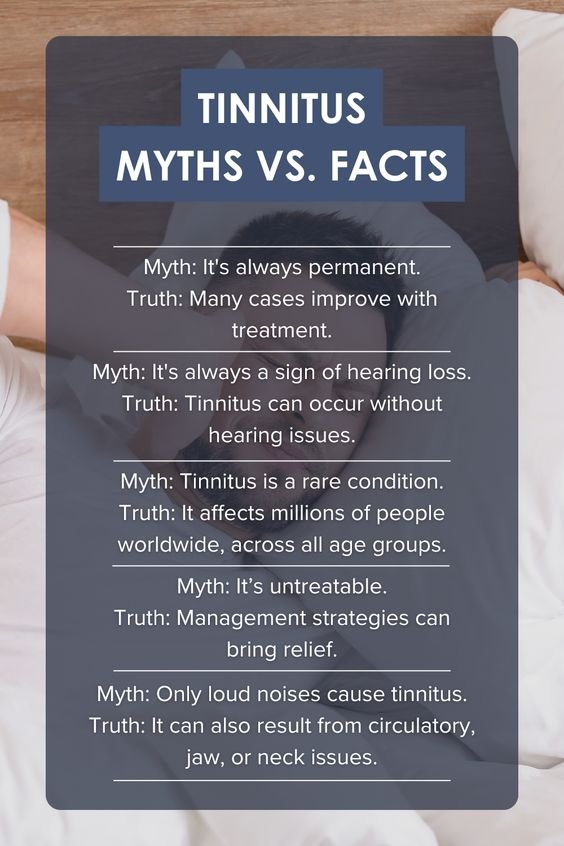
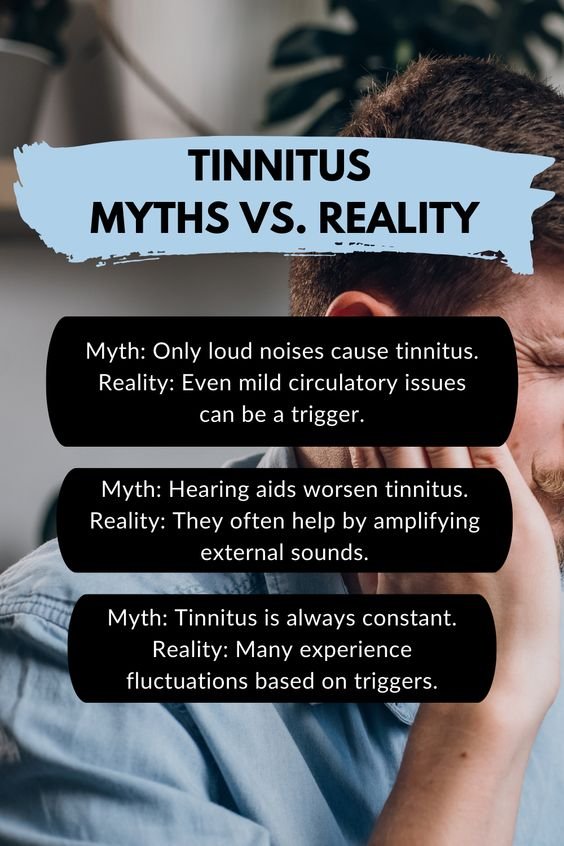
1. Myth: Only loud noises cause tinnitus
Reality: Even mild circulatory issues can be a trigger
While exposure to loud noise is one well-known cause, tinnitus is far more complex. Many people experience symptoms due to issues that have nothing to do with sound.
These include:
-
Fluctuations in blood pressure
-
Poor circulation
-
Sinus inflammation
-
Jaw tension (TMJ)
-
Neck strain
-
Stress or anxiety
-
Certain medications
Sometimes tinnitus takes the form of a pulsing sound that matches your heartbeat—often related to circulation or pressure changes. Knowing this can help you explore a wider range of solutions instead of assuming noise is the only factor.
2. Myth: Hearing aids worsen tinnitus
Reality: They often provide relief by amplifying external sounds
This misconception stops many people from considering hearing support, even when it could help. In reality, hearing aids often reduce tinnitus by increasing the amount of real-world sound your brain receives.
How amplification helps:
-
Background sounds become more noticeable, making ringing less dominant.
-
The brain stops “filling the silence” with internal noise.
-
Listening becomes easier, reducing stress—a common trigger.
-
Many modern hearing aids include tinnitus-masking features.
For people with even mild hearing loss, this can make daily life significantly more comfortable.
3. Myth: Tinnitus is always constant
Reality: Many people experience fluctuations based on triggers
Tinnitus rarely stays the same every single day. Instead, it often rises and falls depending on what’s happening in your body or environment.
Common fluctuation triggers include:
-
Stress levels
-
Sleep quality
-
Dehydration
-
Caffeine intake
-
Hormonal changes
-
Allergies or sinus congestion
-
Neck or jaw tension
-
Loud or prolonged background noise
Understanding your personal triggers helps you anticipate changes and manage them proactively rather than feeling surprised or overwhelmed by sudden spikes.
3 Additional Myths People Commonly Believe
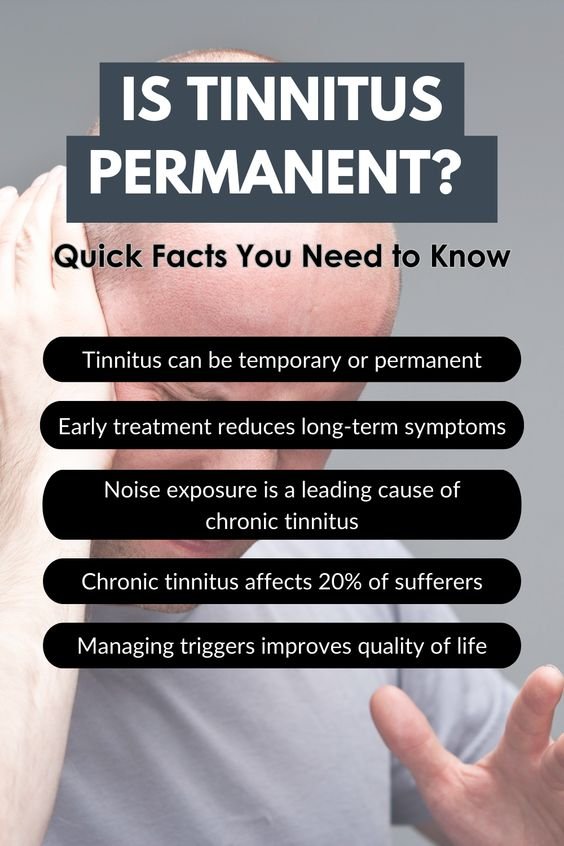
Myth: Tinnitus always means permanent ear damage
Reality: Some cases are temporary, especially when related to stress, medication side effects, sinus issues, or tension in the jaw and neck.
Myth: There’s nothing you can do about tinnitus
Reality: While there’s no one-size-fits-all cure, many strategies—such as sound therapy, lifestyle changes, hearing support, and relaxation techniques—can significantly reduce discomfort.
Myth: Silence is the best environment for relief
Reality: Soft background noise often helps mask the ringing and keeps the brain from zeroing in on internal sounds.
Why Understanding the Facts Makes a Difference
Clearing up misconceptions helps you focus on what actually supports your ear and nervous system. Instead of worrying about false information, you begin noticing patterns, recognizing what your body needs, and choosing helpful strategies. This shift can make tinnitus feel less threatening, more manageable, and far easier to navigate in everyday life.
Final Thoughts
Tinnitus can be frustrating, but understanding the truth behind the common myths can bring clarity and relief. Knowing what actually triggers symptoms—and what doesn’t—helps you make calm, informed decisions that support your overall well-being. With the right information, you can manage tinnitus more confidently and feel less overwhelmed by the noise.
Save this post for future reference, and share it with anyone who could use a clearer, more reassuring perspective on tinnitus.