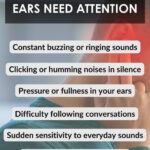
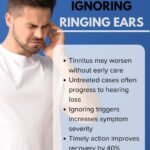
If you’ve ever felt a steady ringing, buzzing, or whooshing sound inside your ears — even in total silence — you’re not alone. Tinnitus affects millions, yet many brush it off as something normal or temporary. The truth is, while tinnitus may seem harmless at first, certain symptoms and triggers deserve attention. Some cases fade naturally, but others may indicate underlying health issues that shouldn’t be ignored.
In this guide, we’ll break down important tinnitus facts, everyday triggers that make symptoms worse, and gentle lifestyle habits that may help you find relief. Let’s dive into what your ears might be trying to tell you.
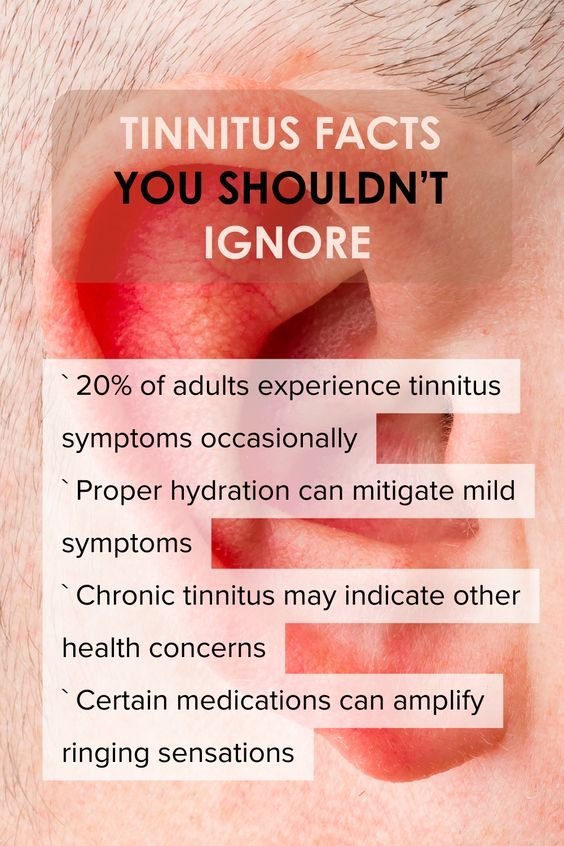
1. Up to 20% of Adults Experience Tinnitus Symptoms
Tinnitus is far more common than many realize. Studies suggest that around 1 in 5 adults experience it occasionally. For some, it comes and goes quietly; for others, it becomes a daily companion.
What does this mean for you?
Hearing occasional ringing isn’t unusual — but frequent or worsening episodes deserve attention. If tinnitus lasts more than a few weeks, it’s worth speaking with a doctor or audiologist. Persistent tinnitus may signal noise-related hearing damage or circulation issues that require evaluation.
2. Proper Hydration Can Help Reduce Mild Ringing
The pin highlights a helpful and easily overlooked fact — hydration matters. Dehydration can thicken blood and reduce oxygen flow, which may intensify ear ringing for some people.
Simple hydration tips to experiment with:
-
Drink 6–8 glasses of water daily.
-
Reduce caffeine and alcohol (both can dehydrate the body).
-
Add hydrating foods like cucumber, oranges, and watermelon.
-
Try warm herbal teas — chamomile and ginger are gentle on the nervous system.
Hydration won’t cure tinnitus, but for mild or stress-triggered ringing, it may lessen intensity and frequency. Think of it as maintenance for your auditory system.
3. Chronic Tinnitus Can Be a Warning Sign
Occasional ringing is one thing — chronic tinnitus is another.
Persistent symptoms may be connected to:
-
Hearing loss (particularly age-related or noise-induced)
-
Earwax blockage
-
TMJ or jaw tension
-
High blood pressure
-
Poor circulation
-
Neck stiffness or nerve compression
-
Past ear infections or trauma
If tinnitus comes with dizziness, sudden hearing loss, or pain, don’t wait. These symptoms could indicate something deeper, and early care often leads to better outcomes.
4. Certain Medications Can Amplify Ear Ringing
Some medications are known to be ototoxic — meaning they may irritate the auditory system or affect hearing. Not everyone reacts the same way, but awareness empowers better choices.
Common medications linked to increased tinnitus include:
| Medication Category | Why It Matters |
|---|---|
| High-dose aspirin | Can trigger ear ringing at strong dosages |
| Antibiotics (some types) | May affect the inner ear in sensitive individuals |
| Diuretics | Can alter fluid balance and inner ear pressure |
| NSAIDs & painkillers | Overuse has been linked to hearing sensitivity |
| Some antidepressants | May influence neural sound processing |
Always consult a healthcare professional before altering medication — tinnitus alone isn’t a reason to stop treatment, but it is a reason to ask questions.
5. Practical Ways You Can Support Your Ears Naturally
While there’s no universal cure, many people find relief through consistent, gentle habits that calm the nervous system and lower auditory stress.
Here are supportive practices to try:
🌿 Reduce Noise Exposure
Use ear protection at concerts, loud workplaces, or when using power tools.
🌿 Manage Stress
Tinnitus often flares during anxiety — breathing exercises, yoga, or quiet evening walks can help.
🌿 Improve Sleep Quality
A fan or soft background sound makes tinnitus less noticeable at night.
🌿 Support Ear & Brain Health
Foods rich in magnesium, zinc, and omega-3s support nerve and blood flow health.
🌿 Avoid Complete Silence
A little ambient sound gives the brain something else to focus on — reducing perceived ringing volume.
Final Thoughts — Listen to What Your Ears Are Telling You
The key takeaway from these tinnitus facts is simple: your ears are communicating, and tuning in early can make a meaningful difference. Hydration, stress reduction, mindful medication awareness, and hearing protection are gentle steps that may ease symptoms — and if tinnitus persists, it’s worth investigating with a professional.
Save this post as a reminder, and if these tips help you, pass them along to someone who may need them too. Your ears deserve care — and you’re already taking the first step just by learning.