If you live with tinnitus — that constant ringing, buzzing, or hissing in your ears — you know how distracting it can be. While there isn’t a one-size-fits-all cure, how you care for your ears every day can make a big difference.
Let’s go through the most important do’s and don’ts of tinnitus care so you can reduce discomfort, protect your hearing, and support long-term ear health.
✅ Tinnitus Care Do’s
1. Use Ear Protection in Noisy Settings
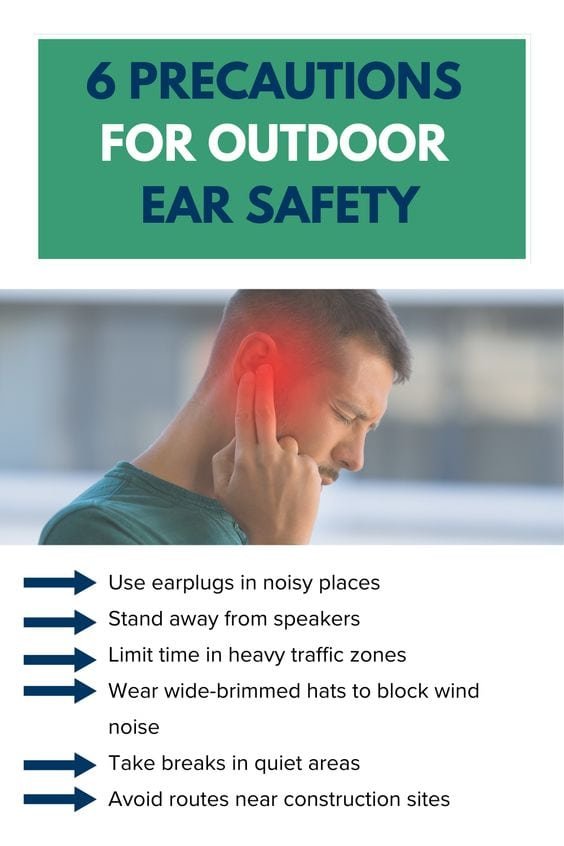
Loud environments — concerts, machinery, or even busy traffic — can worsen tinnitus. Always carry earplugs or noise-reducing headphones. They shield your ears from extra stress and help prevent further damage.
2. Eat Nutrient-Rich Meals
Your ears need the right nutrients to function properly. Foods rich in magnesium, zinc, and vitamins A, C, and E support nerve and blood-vessel health. Think spinach, nuts, eggs, and citrus fruits for daily nourishment.
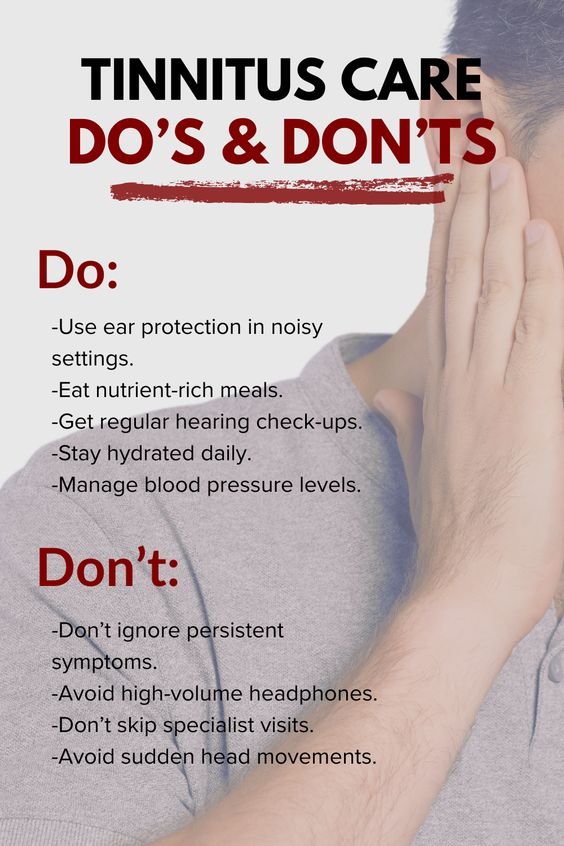
3. Get Regular Hearing Check-Ups
Even mild tinnitus can be linked to underlying hearing issues. A hearing test can identify causes early and guide you toward proper management options, from sound therapy to hearing aids if needed.
4. Stay Hydrated Daily
Dehydration can thicken inner-ear fluids and increase ringing sensations. Aim to drink enough water throughout the day to keep your body — and ears — functioning smoothly.
5. Manage Blood Pressure Levels
High blood pressure restricts blood flow to delicate ear structures, sometimes worsening tinnitus. Regular exercise, a balanced diet, and relaxation practices like deep breathing or yoga can help stabilize it.
🚫 Tinnitus Care Don’ts
1. Don’t Ignore Persistent Symptoms
If the ringing doesn’t fade after a few days, consult a healthcare professional. Persistent tinnitus may be linked to earwax buildup, infections, or even circulatory issues.
2. Avoid High-Volume Headphones
Blasting music directly into your ears damages sensitive hair cells in the inner ear. Keep volume at 60% or less, and give your ears short breaks between listening sessions.
3. Don’t Skip Specialist Visits
Tinnitus management often requires an ENT (Ear, Nose & Throat specialist) or audiologist. Regular visits ensure that any underlying medical issues are treated properly rather than masked.
4. Avoid Sudden Head Movements
Abrupt movements can sometimes affect inner-ear balance or fluid pressure. Move gently when turning your head, standing up, or exercising to prevent dizziness and aggravation.
💡 Extra Tips for Daily Relief
-
Try white-noise or nature-sound apps to mask ringing.
-
Practice mindfulness or relaxation to ease tension.
-
Limit caffeine and alcohol, which may trigger flare-ups.
-
Get enough sleep — fatigue can heighten sound sensitivity.
🌿 Final Thoughts
Tinnitus may not disappear overnight, but consistent care and mindful habits can help you manage it effectively. Protecting your ears, staying hydrated, and seeking regular medical advice can go a long way toward peace and quiet.
🩵 Save this post for later, and start giving your ears the care they deserve today.