Living with tinnitus can feel frustrating, confusing, and sometimes exhausting—especially when the ringing or buzzing seems to come out of nowhere. While there’s no single solution that works for everyone, many people find real relief by focusing on daily habits that calm the nervous system and protect ear health.
The good news? Managing tinnitus doesn’t always require complex treatments. Often, it’s the small, consistent actions that make symptoms feel more manageable over time.
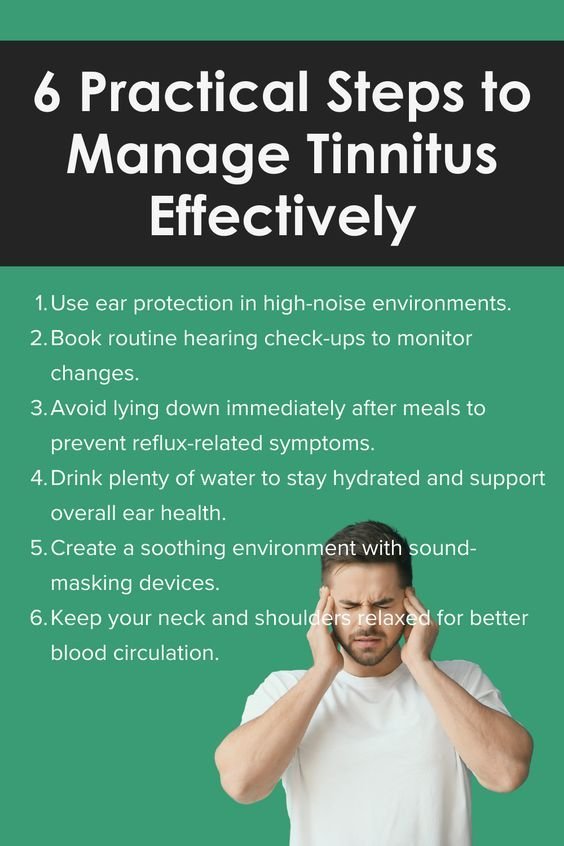
In this post, we’ll walk through 6 practical steps to manage tinnitus effectively and explain how each one fits naturally into everyday life.
1. Use Ear Protection in High-Noise Environments
Loud sounds are one of the most common triggers for tinnitus flare-ups. Exposure to high noise levels can irritate the auditory system and make ringing feel louder or more persistent.
Situations where ear protection matters most include:
-
Concerts or live events
-
Heavy traffic or construction areas
-
Loud workplaces or power tools
Using earplugs or noise-reducing headphones doesn’t mean avoiding life—it simply means protecting your ears when volume levels rise.
Why this helps: Reducing sound stress prevents further irritation and gives your auditory system a chance to stay calm.
2. Book Routine Hearing Check-Ups
Tinnitus can change over time, which is why regular hearing check-ups are so important—even if your symptoms feel stable.
Routine monitoring helps:
-
Track changes in hearing sensitivity
-
Identify new triggers early
-
Rule out treatable issues like wax buildup
Many people avoid hearing tests because nothing “feels wrong,” but tinnitus itself is a sign your ears deserve attention.
Why this helps: Early awareness gives you more options and peace of mind.
3. Avoid Lying Down Immediately After Meals
This tip surprises many people, but digestion and tinnitus can be connected.
Lying down right after eating may increase acid reflux, which can:
-
Irritate nerves connected to the ear
-
Increase head pressure
-
Trigger or worsen tinnitus symptoms
Giving your body time to digest—about 2–3 hours before lying down—can reduce reflux-related discomfort.
Why this helps: Less internal pressure means fewer signals that can aggravate tinnitus.
4. Drink Plenty of Water to Stay Hydrated
Hydration plays a bigger role in ear health than most people realize.
When the body is dehydrated:
-
Blood circulation can slow
-
Inner ear fluid balance may be affected
-
Tinnitus symptoms may feel more noticeable
Drinking water consistently throughout the day supports overall circulation and helps your body regulate itself more efficiently.
Why this helps: Proper hydration supports the systems that keep ear function stable.
5. Create a Soothing Environment With Sound Masking
Silence can make tinnitus feel louder, especially at night or during quiet moments. Sound masking adds gentle background noise that helps the brain focus less on ringing.
Popular sound-masking options include:
-
White noise machines
-
Nature sounds (rain, waves, wind)
-
Soft background music or fans
The goal isn’t to drown out tinnitus—but to make it less dominant.
Why this helps: Your brain shifts attention away from internal noise, making tinnitus easier to live with.
6. Keep Your Neck and Shoulders Relaxed
Neck and shoulder tension is closely linked to tinnitus for many people. Tight muscles can restrict blood flow and irritate nearby nerves connected to hearing.
Simple habits that help:
-
Gentle stretching during the day
-
Mindful posture checks
-
Relaxing shoulders away from the ears
Even small tension releases can change how tinnitus feels.
Why this helps: Better circulation and reduced nerve pressure can lower symptom intensity.
How These Steps Work Together
Each of these steps supports a different part of the tinnitus puzzle:
-
Ear protection reduces sound stress
-
Hydration and posture improve circulation
-
Sound masking calms the brain
-
Routine check-ups provide clarity
None of them promise instant silence—but together, they help create a calmer environment for your auditory system.
Consistency matters more than perfection.
Final Thoughts
Managing tinnitus effectively is often about lifestyle balance, not drastic changes. These 6 practical steps focus on protecting your ears, calming your body, and reducing common triggers—one habit at a time.
Start with what feels easiest. Over time, small adjustments can add up to noticeable relief and greater confidence in managing your symptoms.
📌 Save this post for later, and let me know—which step will you try first?