Home should feel like a place to unwind—not a source of constant background noise. Whether it’s traffic sounds, loud appliances, echoes in open rooms, or everyday household activity, excess noise can quietly increase stress, disrupt sleep, and make it harder to relax.
The good news is that you don’t need expensive remodeling to improve your sound environment. These smart ways to minimize noise at home focus on practical adjustments that reduce sound reflection and soften harsh noise naturally.
Let’s walk through four realistic strategies that help create a calmer, quieter living space.
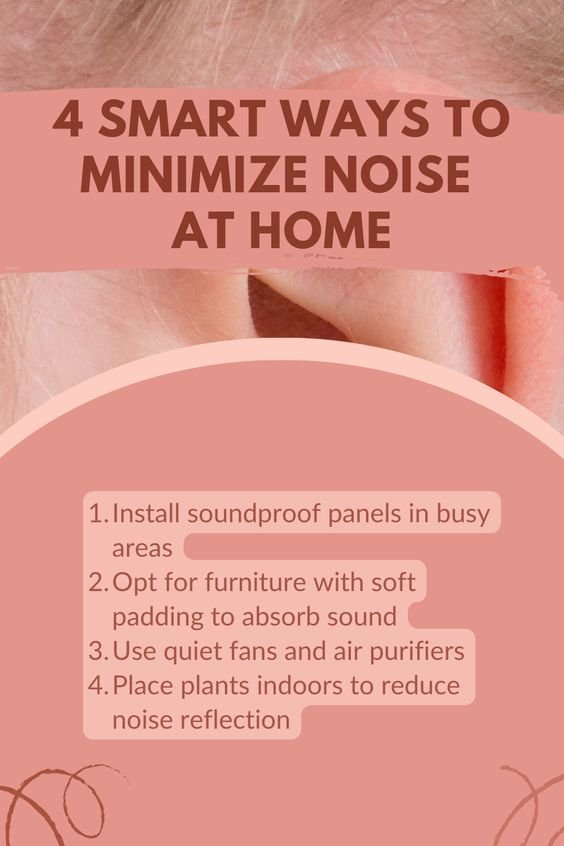
1. Install Soundproof Panels in Busy Areas
Soundproof or acoustic panels are one of the most effective ways to reduce noise indoors—especially in rooms where sound tends to bounce around.
Where panels help most:
-
Living rooms with hard surfaces
-
Home offices
-
Bedrooms facing streets
-
TV or media rooms
Acoustic panels absorb sound waves rather than letting them reflect off walls. This reduces echo, sharp noise, and overall sound intensity without fully blocking sound from outside.
Helpful tips:
-
Panels work best when placed at ear level
-
You don’t need to cover entire walls—strategic placement matters
-
Decorative panels can blend into home design
This approach is especially useful for people sensitive to sound or those working from home.
2. Choose Furniture With Soft Padding
Many homes unintentionally amplify noise by using furniture and décor made entirely of hard surfaces. Sound travels and reflects more easily in these spaces.
Furniture that helps absorb noise includes:
-
Upholstered sofas and chairs
-
Fabric-covered headboards
-
Curtains or thick drapes
-
Cushions and throw pillows
Soft materials trap sound energy and prevent it from bouncing between walls, floors, and ceilings.
Why this matters: Rooms with hard floors, bare walls, and minimal fabric often feel louder—even at the same noise level—because sound reflection increases.
Simple additions like rugs, upholstered seating, or fabric wall hangings can dramatically soften the sound environment.
3. Use Quiet Fans and Air Purifiers
Appliance noise is often overlooked when it comes to indoor sound levels. Many older or budget appliances create constant hums, rattles, or high-pitched sounds that add to mental fatigue.
When possible:
-
Choose fans and air purifiers labeled “low-noise” or “whisper-quiet”
-
Run appliances on lower settings during quiet hours
-
Replace aging units that have grown louder over time
Quiet airflow provides ventilation without disrupting concentration, sleep, or relaxation.
Interestingly, gentle background sounds from quiet appliances can sometimes mask sharper noises, making the environment feel calmer instead of silent and tense.
4. Add Indoor Plants to Reduce Noise Reflection
Plants don’t make a room silent—but they do help absorb and scatter sound waves, especially higher-frequency noise.
Indoor plants help by:
-
Softening sound reflection
-
Reducing echo in open rooms
-
Improving overall room acoustics
Plants with large or dense leaves tend to work best. Positioning them near corners, windows, or reflective surfaces improves effectiveness.
Bonus benefits:
-
Improved air quality
-
A calmer visual environment
-
Reduced mental stress
Plants combine acoustic support with emotional comfort—making them a simple but powerful addition.
Why Noise Feels Worse at Home Than Expected
Even moderate noise can feel overwhelming indoors due to constant exposure and lack of escape. Excess noise at home can contribute to:
-
Mental fatigue
-
Poor sleep quality
-
Difficulty focusing
-
Increased irritability
Minimizing household noise supports cognitive recovery—not just comfort.
How These Noise-Reducing Strategies Work Together
Each method contributes to sound reduction differently:
-
Panels absorb direct sound
-
Furniture softens reflected noise
-
Quiet appliances prevent constant disruption
-
Plants break up sound waves
Used together, these adjustments create a noticeably calmer sound environment without requiring structural changes.
Common Mistakes to Avoid When Reducing Noise
To avoid frustration, skip these common pitfalls:
-
Expecting complete silence
-
Adding only decorative items without soft materials
-
Ignoring appliance noise sources
-
Overcrowding rooms with hard décor
Noise reduction is about balance, not elimination.
Extra Tips for a Quieter Home
To enhance results:
-
Close doors to isolate noise zones
-
Use weather stripping to reduce outdoor noise leaks
-
Rearrange furniture away from shared walls
-
Create “quiet rooms” for rest or focus
Small layout tweaks often make a bigger difference than expected.
Who Benefits Most From Noise Reduction at Home
These smart ways to minimize noise at home are especially helpful if you:
-
Work or study from home
-
Are sensitive to sound
-
Experience ringing in the ears
-
Have trouble sleeping
-
Live in busy or urban areas
A quieter home supports nervous system recovery and long-term well-being.
Final Thoughts
Creating a calmer home doesn’t require silence—it requires thoughtful sound management. These 4 smart ways to minimize noise at home, from sound-absorbing panels to plants and softer furnishings, help reduce sound stress naturally. When noise levels drop, focus improves, sleep deepens, and your home feels more restorative.
Take one step today—add a rug, quiet an appliance, or place a plant near a reflective surface. Which of these changes feels easiest for you to try first?