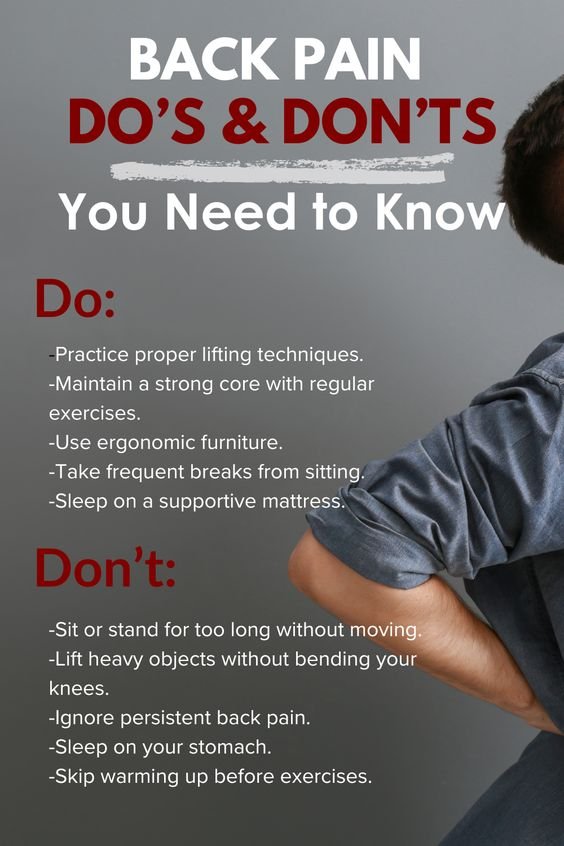
If your lower back hurts after a long day at your desk, you’re not alone. Most back pain comes from simple posture habits we don’t even notice. The way you sit — hour after hour — has a direct impact on your spine’s health. Let’s go over three common sitting mistakes that can worsen back pain and easy fixes you can start using right away.
1. Crossing Your Legs for Extended Periods
Crossing your legs might feel comfortable, but it tilts your pelvis and misaligns your lower spine. Over time, this uneven posture can strain your muscles and lead to chronic discomfort.
Try this instead:
-
Sit with both feet flat on the floor or use a small footrest.
-
Keep your knees at a 90-degree angle and your hips slightly higher than your knees.
-
Shift positions every 20–30 minutes to improve blood circulation.
Even small posture corrections like this can make a big difference in daily comfort.
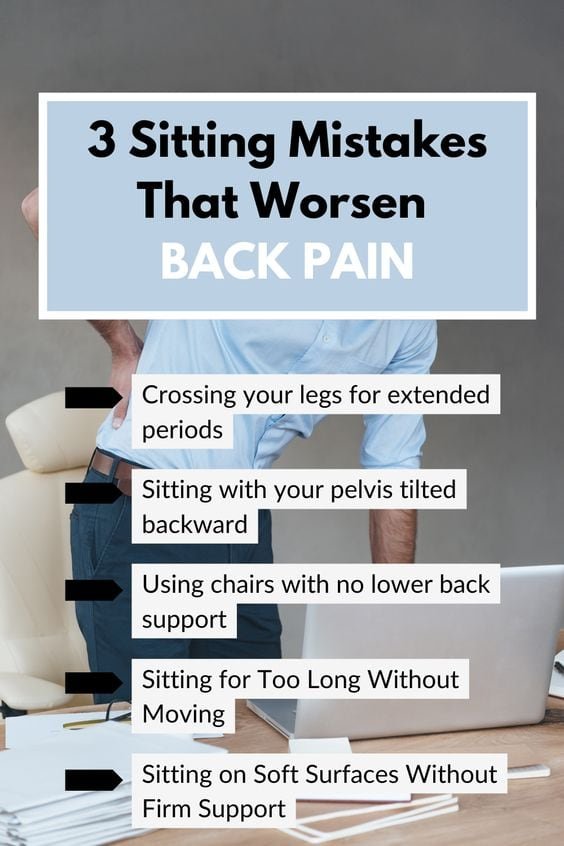
2. Sitting With Your Pelvis Tilted Backward
When you slouch, your pelvis naturally tilts backward — flattening your spine’s natural curve. This position puts pressure on the discs and can cause pain that radiates up your back or down your legs.
Quick Fix:
-
Sit toward the front of your chair and roll your shoulders back.
-
Use a cushion or lumbar roll to maintain the natural arch in your lower back.
-
Engage your core slightly while sitting to keep your spine aligned.
Think of your spine as a flexible tree trunk — it needs balance and support to stay strong.
3. Using Chairs Without Proper Lower Back Support
That stylish dining chair or soft couch might feel fine at first, but without lumbar support, your spine has to work overtime. Over the day, your lower back muscles fatigue, leading to tension and stiffness.
Better Options:
-
Use an ergonomic office chair with adjustable lumbar support.
-
Add a rolled towel or small cushion to your lower back if your chair doesn’t provide support.
-
Avoid soft sofas for long sitting sessions — firm surfaces are healthier for your posture.
You don’t need to buy a fancy chair — small adjustments can offer similar relief.
Bonus Tip: Don’t Sit Still for Too Long
Even with perfect posture, sitting for hours without movement stresses your spine. Every 30 minutes, stand, stretch, or walk for a minute. These mini-breaks keep your back muscles active and your joints flexible.
Final Thoughts
Your daily sitting habits have more impact on back pain than you might think. By keeping your feet grounded, maintaining a neutral pelvis, and adding lumbar support, you can ease tension and prevent future pain. Start practicing these changes today — your spine will thank you.
👉 Pin this post for later so you can remind yourself of these healthy sitting habits whenever back pain starts creeping in!