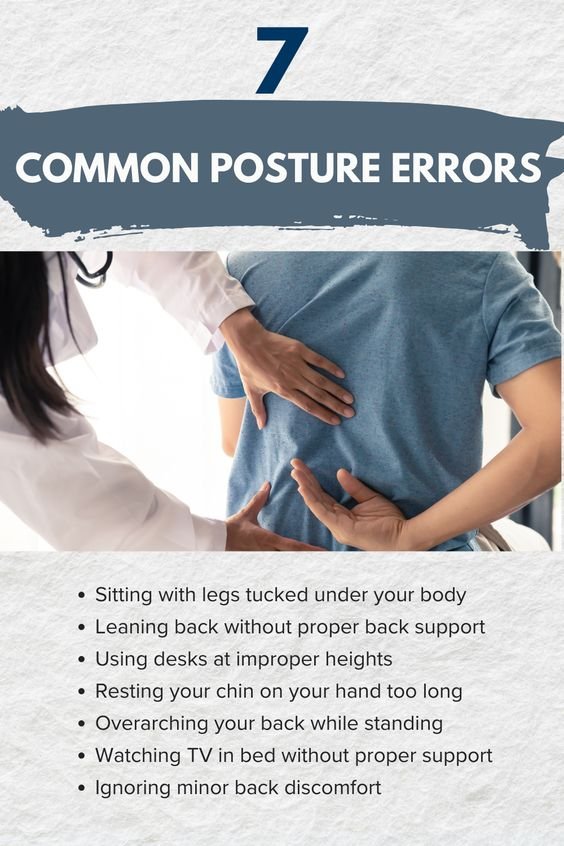
If you’ve ever stood up from your desk with a stiff back or sore shoulders, you’re not alone. Most of us spend hours sitting—at work, on the couch, or scrolling on our phones—without realizing that poor posture habits are quietly damaging our spines.
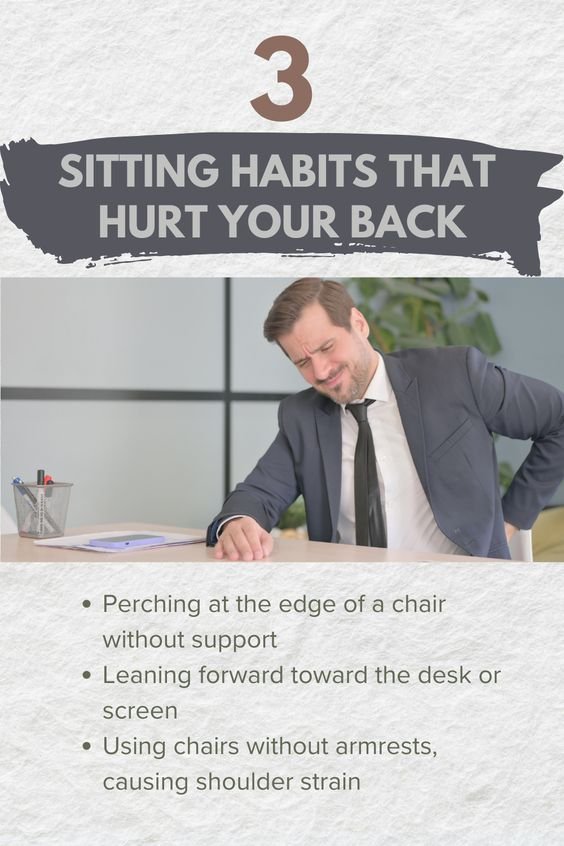
The good news? You can fix most back pain by simply changing how you sit. Here are the three most common sitting habits that hurt your back, plus simple ways to correct them.
1. Perching at the Edge of Your Chair
Sitting on the edge of your seat might feel alert or professional, but it actually puts stress on your lower back and tailbone. Without back support, your spine loses its natural curve, leading to stiffness and discomfort.
How to fix it:
-
Sit all the way back in your chair so your lower back touches the backrest.
-
Use a small cushion or lumbar roll to support your lower spine.
-
Keep your feet flat on the floor with knees at a 90-degree angle.
Think of your chair as a tool for support—not just a place to sit.
2. Leaning Forward Toward the Screen
If your monitor is too far or too low, you’ll naturally hunch forward. Over time, this can cause neck strain, rounded shoulders, and chronic upper back pain.
How to fix it:
-
Keep your screen at eye level and about an arm’s length away.
-
Pull your chair closer instead of leaning forward.
-
Every 30 minutes, sit tall, roll your shoulders back, and take a deep breath.
Even small posture resets throughout the day can prevent long-term pain.
3. Using Chairs Without Armrests
Chairs without armrests may look sleek, but they leave your shoulders unsupported. This leads to slouching, upper back tension, and fatigue, especially during long work sessions.
How to fix it:
-
Choose a chair with adjustable armrests that allow your elbows to rest at a 90-degree angle.
-
Avoid resting your wrists on the desk edge—it can strain your forearms and shoulders.
-
Alternate between sitting and standing if you use a standing desk.
Proper arm support not only protects your back—it also improves your focus and comfort.
Bonus Tip: Listen to Your Body
If you notice recurring tightness or discomfort, it’s your body’s way of asking for movement. Set reminders to stand, stretch, or walk for a minute every hour. Regular movement keeps your spine flexible and muscles active.
Final Thoughts
Back pain doesn’t always come from heavy lifting—it often starts with small daily habits. By correcting these three sitting mistakes, you can relieve pressure on your spine, boost your posture, and feel more energized throughout the day.
👉 Pin this post for later and remind yourself to sit smarter, not harder!