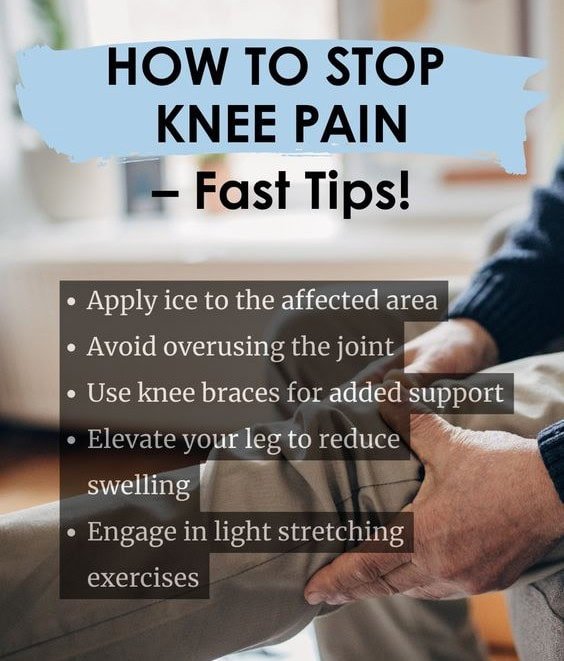
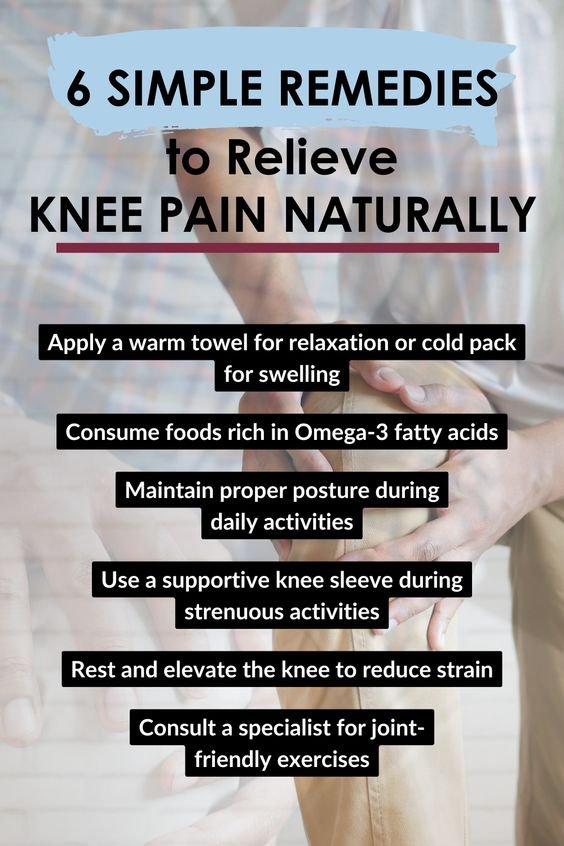
When knee pain shows up, the first instinct is often confusion: Should I keep moving or stop completely? The answer lies somewhere in the middle—but here’s the key point many people miss: rest is crucial for knee pain recovery. Without enough recovery time, the knee never gets a chance to calm inflammation, repair stressed tissues, or restore joint balance.
Let’s break it down in a practical, everyday way.
Why Overuse Makes Knee Pain Worse
One major reason knee pain lingers is simple overuse. The knee joint handles walking, standing, lifting, climbing, and bending—all day, every day. When it doesn’t get recovery time, irritation builds.
Common signs of overuse include:
-
Swelling around the knee joint
-
Stiffness after sitting or sleeping
-
Pain that worsens as the day goes on
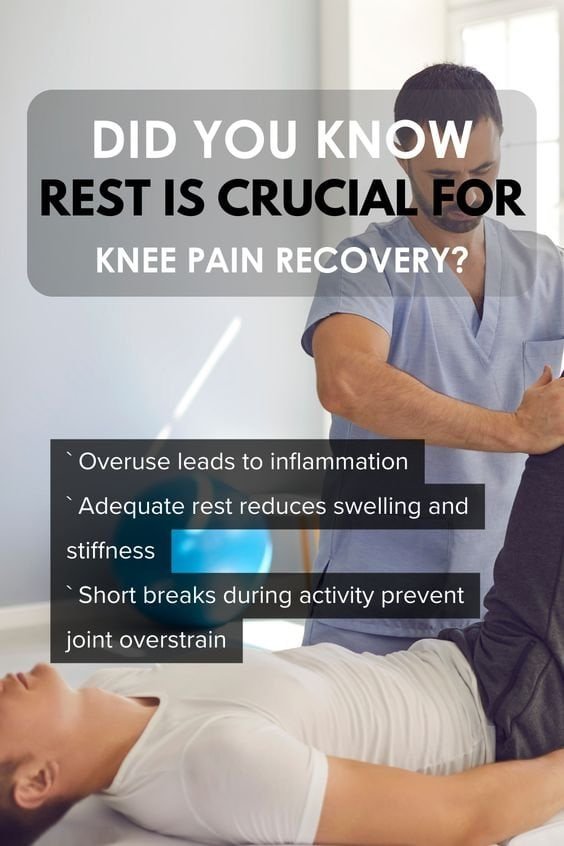
Overuse leads to inflammation, and inflammation limits healing. This is why rest is crucial for knee pain recovery—not as avoidance, but as an intentional reset for the joint.
How Proper Rest Reduces Swelling and Stiffness
Rest allows fluid buildup to settle and gives irritated tissues time to recover. When rest is paired with gentle positioning and reduced load, the knee can begin to calm down naturally.
Helpful rest strategies include:
-
Short periods of leg elevation
-
Avoiding long periods of standing or squatting
-
Giving the knee a break after repetitive activity
Think of rest like hitting “pause” on joint stress. Without that pause, swelling and stiffness get louder, not quieter.
The Power of Short Breaks During Activity
One misconception is that rest means doing nothing all day. In reality, short breaks during activity prevent joint overstrain, which is exactly what the pin highlights.
Try these realistic habits:
-
Take a 5-minute break after 20–30 minutes of walking or standing
-
Sit down between household tasks
-
Alternate activity days with lighter recovery days
These breaks reduce cumulative stress and protect the knee from micro-injuries that build over time.
Rest vs. Complete Inactivity: Finding the Balance
While rest is crucial for knee pain recovery, total inactivity can sometimes create new problems like muscle weakness and increased stiffness. The goal is smart rest, not complete shutdown.
Smart rest looks like:
-
Avoiding painful movements
-
Staying gently mobile within comfort
-
Letting pain levels guide activity decisions
If movement increases sharp pain or swelling, it’s a sign the knee needs more recovery time.
Sleep: The Most Overlooked Recovery Tool
Quality sleep plays a massive role in knee pain recovery. During sleep, the body releases compounds that support tissue repair and inflammation control.
Simple sleep tips for knee pain:
-
Use a pillow under or between knees for alignment
-
Avoid sleeping positions that twist the joint
-
Keep a consistent sleep schedule
Poor sleep often amplifies pain perception, while good sleep supports calmer joints.
Listening to Your Knee’s Warning Signals
Your knee constantly gives feedback—it’s just easy to ignore. Stiffness, soreness, warmth, or decreased range of motion are all signals that rest is needed.
Pay attention to:
-
Pain that lasts longer than 24 hours after activity
-
Swelling that doesn’t improve overnight
-
A feeling of instability or weakness
Responding early with rest can prevent long-term setbacks.
When Rest Should Be Combined With Professional Guidance
If knee pain persists despite rest, consulting a qualified healthcare or physical therapy professional is important. They can help identify whether the pain is related to tendon irritation, cartilage issues, alignment problems, or muscle imbalances.
Rest works best when it’s part of a clear recovery strategy—not guesswork.
Final Thoughts
So yes—rest is crucial for knee pain recovery, but it doesn’t mean giving up on movement entirely. It means respecting your knee’s limits, using short breaks to prevent overstrain, and allowing inflammation to settle before pushing forward again. When paired with smart activity and good sleep, rest becomes one of the most powerful tools for reducing knee pain naturally.
Save this post for later, and the next time your knee feels irritated, ask yourself: Does it need more effort—or more rest right now?