Knee pain has a way of sneaking into your day—whether you’re climbing stairs, sitting too long, or simply waking up with stiff joints. The good news? Many everyday habits can ease the pressure, reduce inflammation, and help your knees feel more supported. Let’s walk through each one so you can feel more comfortable and confident in your movement again.
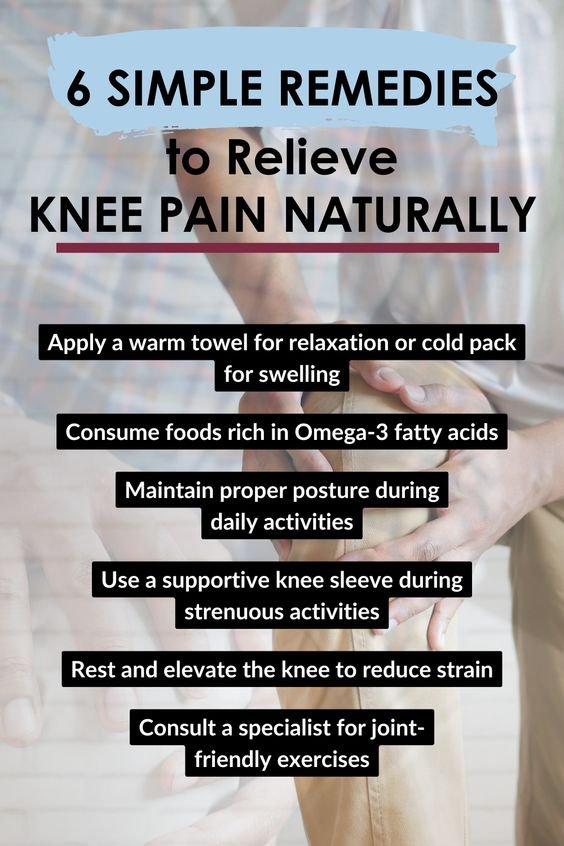
1. Apply a Warm Towel or Cold Pack (Depending on the Pain Type)
Heat and cold therapy are two of the simplest tools for knee relief, yet many people aren’t sure when to use which.
-
Warm compress → Helps relax stiff muscles and improve circulation. Ideal for chronic aches, morning stiffness, or post-activity tightness.
-
Cold pack → Best for swelling, inflammation, or pain after a fall, twist, or overuse.
Think of heat as your “comfort tool” and cold as your “calm-down reset.” Rotating them mindfully can help you manage flare-ups with less stress.
2. Consume Foods Rich in Omega-3 Fatty Acids
What you eat affects how your joints feel every day. Omega-3 fatty acids are powerful natural anti-inflammatories that support joint lubrication and reduce stiffness.
Try adding:
-
Salmon, sardines, or tuna
-
Chia seeds and flaxseeds
-
Walnuts
-
Omega-3–fortified eggs
These foods help calm inflammation from the inside out—something pain relievers alone can’t always do. Pairing nutrition with movement often brings the best results.
Secondary keyword: anti-inflammatory foods for joint pain
LSI terms: healthy fats, joint-friendly nutrition
3. Maintain Proper Posture Throughout the Day
You may not realize it, but posture affects how much pressure your knees take on. When you slouch or lean forward, your knees carry more load to compensate.
Try these simple posture habits:
-
Keep your spine tall when sitting.
-
Align your hips, knees, and feet when standing.
-
Avoid sitting with legs tucked under you.
-
Don’t lock your knees when standing still.
Small posture shifts can take surprising strain off your knee joints—especially during long workdays.
4. Use a Supportive Knee Sleeve During Activity
A knee sleeve doesn’t have to be bulky or medical-looking to help. Even a lightweight, flexible sleeve can:
-
Stabilize the joint
-
Improve circulation
-
Reduce swelling
-
Help you feel more secure during movement
If you’re walking, hiking, cleaning the house, or doing mild workouts, the right sleeve provides gentle support that can make movement less painful and more confident.
Long-tail variation: best supportive knee sleeve for daily activities
5. Rest and Elevate the Knee to Reduce Strain
Rest is not the enemy—overuse is. When your knee feels tired or swollen, it’s your body asking for a break.
Here’s a simple routine for relief:
-
Lie down comfortably.
-
Place a pillow or folded blanket under your knee and calf.
-
Elevate your leg slightly above heart level for 15–20 minutes.
This helps fluid drain, reduces swelling, and gives the surrounding tissues a chance to reset. Pair this with gentle stretching afterward for even better results.
6. Consult a Specialist for Joint-Friendly Exercises
If you want long-term relief, strengthening the muscles around the knee is essential—but doing the wrong exercises can cause setbacks. A physiotherapist or knee-specialized trainer can guide you toward movements that are safe and supportive.
Typical joint-friendly exercises include:
-
Straight-leg raises
-
Mini-squats
-
Step-ups
-
Hamstring stretches
-
Glute-strengthening drills
Think of it as building a “support team” for your knees—muscles that protect them instead of leaving them to do all the work.
5 Bonus Tips to Support Your Knees Daily
These small habits go a long way:
- Wear shoes with good cushioning.
- Avoid sudden increases in workout intensity.
- Keep your weight in a healthy range to reduce joint load.
- Stay hydrated to support cartilage health.
- Move often—staying still too long stiffens the knee.
Tiny changes make everyday movement smoother and more comfortable.
Final Thoughts
Relieving knee pain naturally doesn’t always require complicated routines. Sometimes it’s the simple habits—like applying the right type of compress, eating more joint-friendly foods, wearing a supportive knee sleeve, or improving your posture—that bring real comfort. The key is consistency. Start with one or two remedies today, see how your knee responds, and build from there. Feel free to save this post for later or share it with someone who needs practical, gentle knee relief ideas.