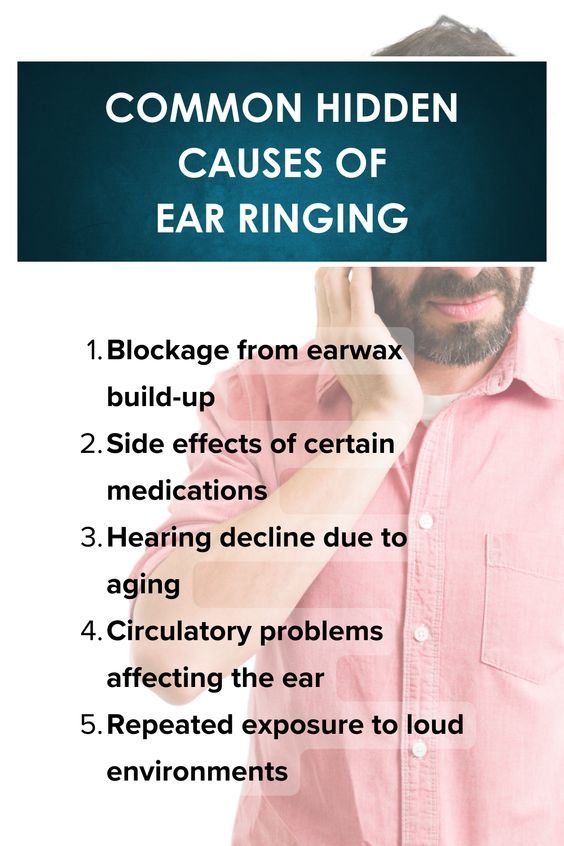
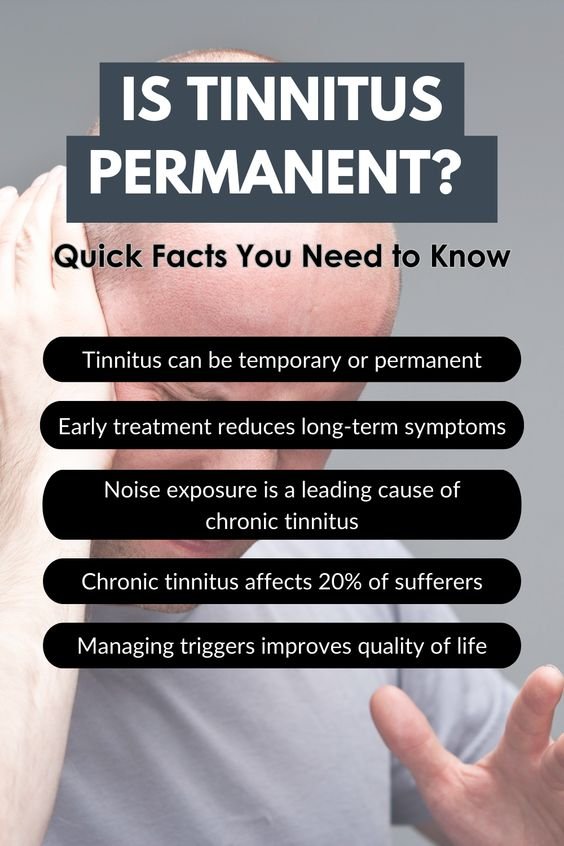
Most people link tinnitus to loud noises or aging, but sometimes the ringing in your ears comes from unexpected sources. These rare causes are often overlooked — yet they can reveal the root of chronic ear ringing that never seems to fade.
In this post, you’ll discover five lesser-known causes of tinnitus, how they affect your ears, and what you can do to manage them naturally.
💊 1. Prolonged Use of High-Dose Antibiotics
Some antibiotics, especially aminoglycosides, are known to be ototoxic, meaning they can harm the delicate hair cells in your inner ear. This damage may trigger ringing, buzzing, or a sensation of “fullness” in the ears. If you’ve been on long-term antibiotics and notice new ear symptoms, talk to your doctor immediately — dosage adjustments or alternative medications may help.
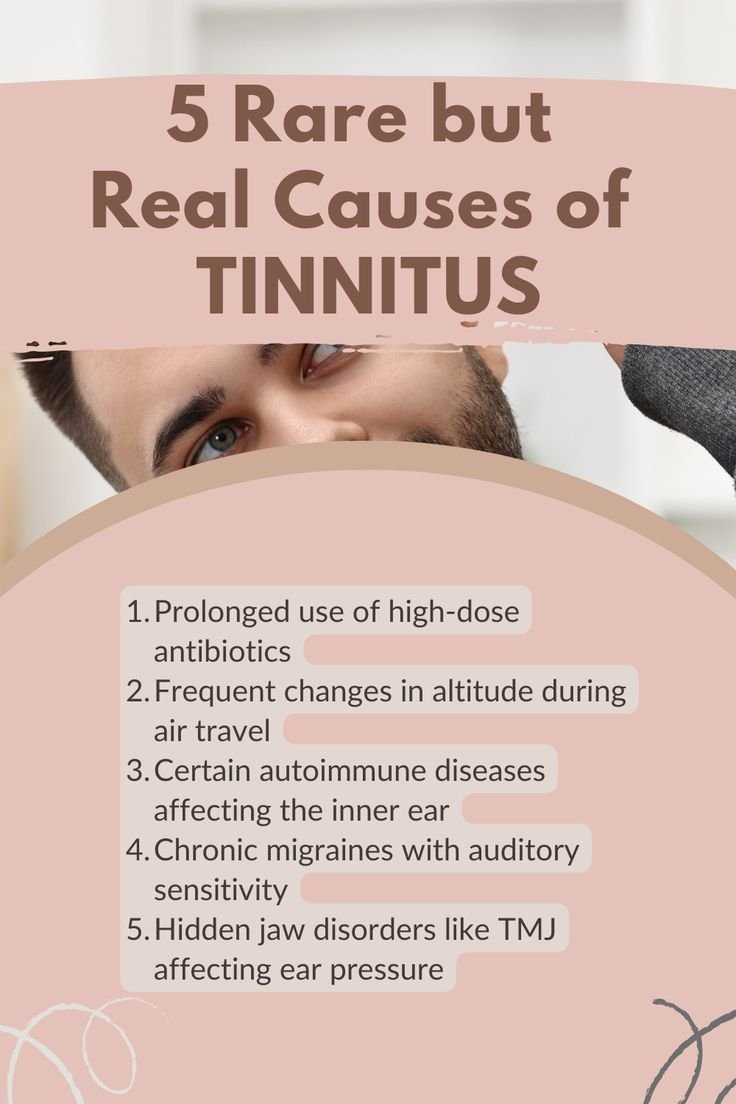
✈️ 2. Frequent Altitude Changes During Air Travel
If you travel often by plane, your ears experience repeated shifts in air pressure. These changes can stress the eardrum and the Eustachian tube, leading to temporary or even chronic tinnitus. Swallowing, yawning, or chewing gum during takeoff and landing helps equalize pressure and protect your ears.
🧬 3. Autoimmune Diseases Affecting the Inner Ear
Certain autoimmune disorders, such as Lupus or Ménière’s disease, can trigger inflammation in the inner ear. This can disrupt nerve signals to the brain and cause tinnitus or hearing fluctuations. Managing autoimmune inflammation through diet, stress reduction, and proper medical care can help reduce flare-ups.
🤕 4. Chronic Migraines with Auditory Sensitivity
Not all migraines cause head pain — some show up as aura symptoms, including ear ringing, sound sensitivity, or dizziness. These sensory migraines affect blood flow to the auditory nerve, making tinnitus more likely. Keeping a migraine diary to identify triggers like caffeine, stress, or skipped meals can make management easier.
🦷 5. Hidden Jaw Disorders Like TMJ Affecting Ear Pressure
The temporomandibular joint (TMJ) sits close to your ear canal, and any tension or misalignment can put pressure on nearby nerves. People with TMJ often notice clicking jaws, ear fullness, or tinnitus. Gentle jaw stretches, posture correction, and physical therapy can relieve the strain and ease the ringing.
🌿 What You Can Do About It
If your tinnitus doesn’t come from typical causes like noise exposure, it’s worth exploring these rare ones. A hearing specialist or ENT doctor can perform tests to check your middle and inner ear health, jaw alignment, and medication history.
Lifestyle habits — such as limiting caffeine, improving sleep, and managing stress — can also help calm your nervous system and lessen tinnitus intensity.
✨ Final Thoughts
Tinnitus isn’t always caused by loud sounds — sometimes it’s your body’s way of signaling another hidden issue. By understanding these five rare but real causes of tinnitus, you can take smarter steps toward relief and better ear health.
Save this post for later, and share it with someone who’s been struggling with unexplained ear ringing. 👂💫