If you’ve ever wondered how to get more protein into your meals without complicated meal plans or powders, this protein cheat sheet is your new best friend. Protein isn’t just for bodybuilders — it supports muscle repair, energy levels, and overall health.
Here’s a quick, everyday guide to help you choose high-protein foods that fit effortlessly into your routine.
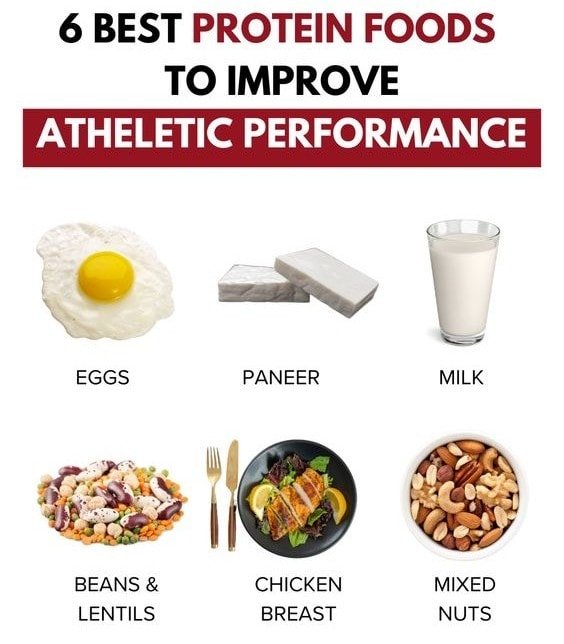
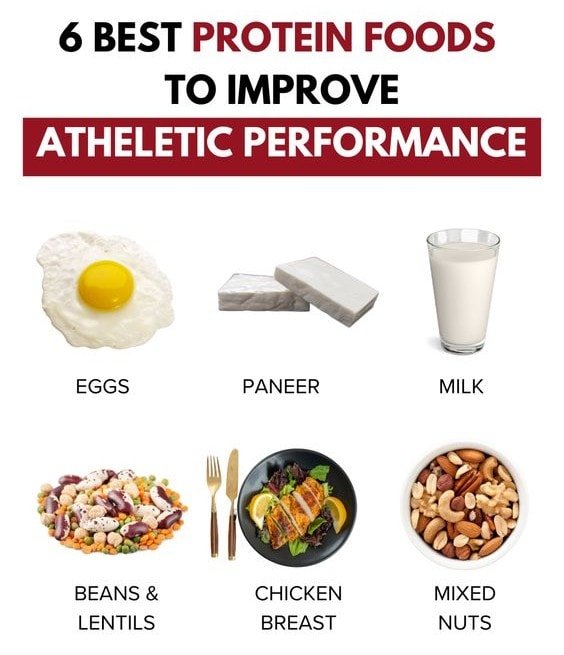
1. Eggs (1 large – 6g protein)
Eggs are one of the most affordable and complete protein sources available. They contain all nine essential amino acids and can be enjoyed boiled, scrambled, or poached for a quick energy boost.
2. Almonds (1 oz – 6g protein)
Perfect for snacking or tossing into smoothies and salads, almonds not only add protein but also provide healthy fats that help keep you full longer.
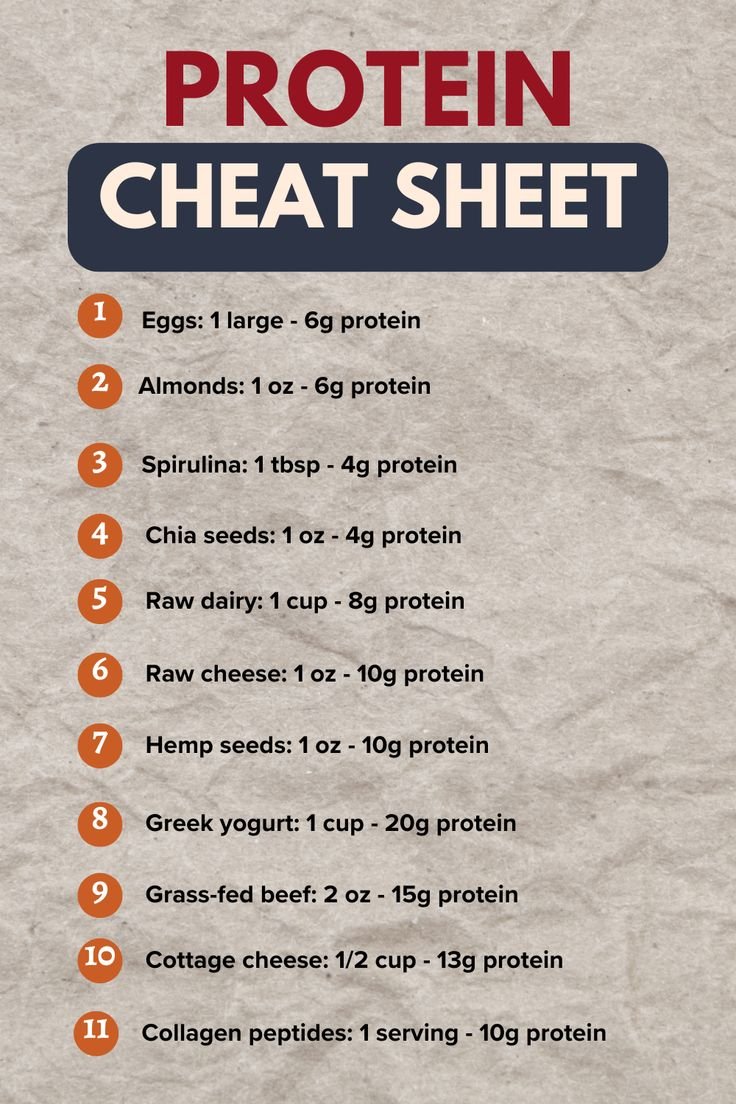
3. Spirulina (1 tbsp – 4g protein)
This blue-green algae is a surprising plant-based protein source, often added to smoothies or energy balls. It’s nutrient-dense and loaded with iron, B vitamins, and antioxidants.
4. Chia Seeds (1 oz – 4g protein)
Tiny but mighty, chia seeds pack a punch. Mix them into yogurt, oatmeal, or smoothies for a protein and fiber boost that helps regulate digestion and energy.
5. Raw Dairy (1 cup – 8g protein)
Raw milk or kefir offers high-quality protein with beneficial probiotics for gut health. Choose organic or grass-fed sources for the best nutrition.
6. Raw Cheese (1 oz – 10g protein)
Snack-sized and satisfying, cheese is rich in protein and calcium. A small serving can help balance your blood sugar and curb hunger between meals.
7. Hemp Seeds (1 oz – 10g protein)
Hemp seeds are a complete plant protein with all essential amino acids. Sprinkle them on salads, oatmeal, or even soups for a nutty flavor and protein boost.
8. Greek Yogurt (1 cup – 20g protein)
Greek yogurt tops the list for convenient, high-protein snacks. It’s thicker, creamier, and contains twice the protein of regular yogurt. Pair it with fruit or nuts for extra nutrients.
9. Grass-Fed Beef (2 oz – 15g protein)
Lean, grass-fed beef is rich in both protein and iron — essential for muscle recovery and energy. Choose smaller portions balanced with veggies for a healthy meal.
10. Cottage Cheese (½ cup – 13g protein)
A classic protein staple, cottage cheese is low in fat and high in casein, a slow-digesting protein that helps keep you full overnight or between meals.
11. Collagen Peptides (1 serving – 10g protein)
Collagen not only supports muscle but also promotes joint, skin, and hair health. Mix a scoop into your morning coffee, smoothie, or oatmeal for a convenient protein upgrade.
How to Use This Protein Cheat Sheet
-
Add one protein source to every meal — even snacks.
-
Mix plant and animal proteins for variety and better absorption.
-
Prep ahead — boiled eggs, Greek yogurt, or almonds make quick grab-and-go options.
-
Aim for 20–30g of protein per meal to support muscle repair and sustained energy.
Conclusion
You don’t need complicated shakes or diets to get enough protein. By using this protein cheat sheet, you can easily build balanced meals that fuel your body, stabilize energy, and support your fitness goals.
Pin this post for easy access next time you plan your grocery list — your body will thank you!