Travel can be exciting—but it often comes with prolonged noise exposure. Whether you’re flying, riding trains, or taking long road trips, engines, crowds, and constant audio use can quietly strain your ears.
Protecting your ears while traveling isn’t about avoiding sound altogether. It’s about reducing unnecessary exposure, giving your ears breaks, and making small choices that support long-term ear comfort—especially if you’re sensitive to noise or already experience ringing or fatigue.
Here are practical, realistic ways to protect your ears while traveling.
1. Carry Noise-Reduction Earbuds
Noise-reduction earbuds help lower background sound levels without forcing you to turn up volume.
Why they help:
-
Reduce constant engine or ambient noise
-
Lower the need for high audio volume
-
Help ears feel less fatigued over time
They’re especially useful on flights, buses, trains, and in busy terminals.
Tip: Noise reduction works best when paired with moderate volume—not silence or maximum levels.
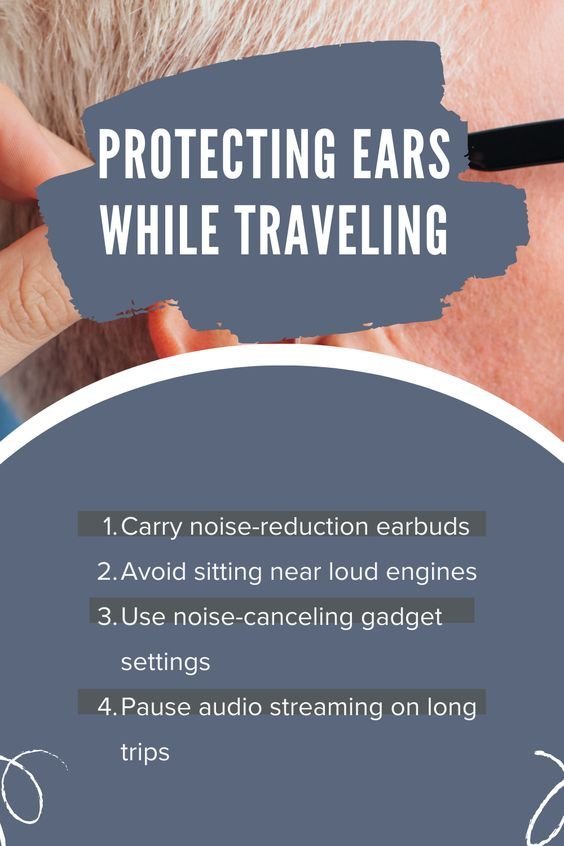
2. Avoid Sitting Near Loud Engines When Possible
Seat choice matters more than most people realize.
High-noise areas often include:
-
Seats near airplane engines
-
Areas close to bus or train motors
-
Loud sections on ferries or boats
Sitting farther from engines can noticeably reduce continuous noise exposure.
Tip: When booking, look for seats closer to the middle of the vehicle if available.
3. Use Noise-Canceling Settings Wisely
Many devices include noise-canceling or sound-management settings. Used correctly, they can reduce strain.
Helpful habits include:
-
Turning on noise canceling in loud environments
-
Avoiding excessive volume to “drown out” noise
-
Adjusting settings rather than raising sound levels
Noise canceling should reduce effort—not encourage louder listening.
4. Pause Audio Streaming on Long Trips
Listening continuously for hours—even at moderate volume—can fatigue the auditory system.
Why breaks matter:
-
Ears need recovery time
-
Constant stimulation increases sensitivity
-
Silent breaks reduce mental and auditory strain
Try alternating:
-
Music → silence
-
Podcasts → quiet time
-
Audio → light background sound
Even short breaks help.
Why Ear Protection Matters During Travel
Extended noise exposure doesn’t always cause immediate discomfort—but it can lead to:
-
Ear fatigue
-
Increased sound sensitivity
-
Temporary ringing or fullness
Protecting your ears during travel helps preserve comfort during the trip and afterward.
Extra Travel-Friendly Ear Care Tips
-
Keep volume below maximum levels
-
Stay hydrated to support circulation
-
Avoid stacking loud environments back-to-back
-
Give ears quiet time after arriving
These habits are simple, but they add up.
Common Mistake to Avoid
Trying to overpower background noise with volume.
This often:
-
Increases strain
-
Worsens fatigue
-
Makes recovery harder later
Reducing noise exposure works better than overpowering it.
Final Thoughts
Protecting ears while traveling doesn’t require special equipment or strict rules. By carrying noise-reduction earbuds, choosing seats thoughtfully, using noise-canceling settings wisely, and taking listening breaks, you can reduce unnecessary strain and support long-term ear comfort.
Travel should be memorable for the right reasons—not because your ears feel exhausted afterward.
👉 Save this for later, and ask yourself: Do you usually turn the volume up to fight background noise when traveling?