When you’re outdoors—whether hiking, attending concerts, or commuting—your ears face a lot more than just fresh air. Constant exposure to noise, wind, and traffic can lead to discomfort or even hearing loss over time. Protecting your ears isn’t just for musicians or workers—it’s for everyone who loves spending time outside.
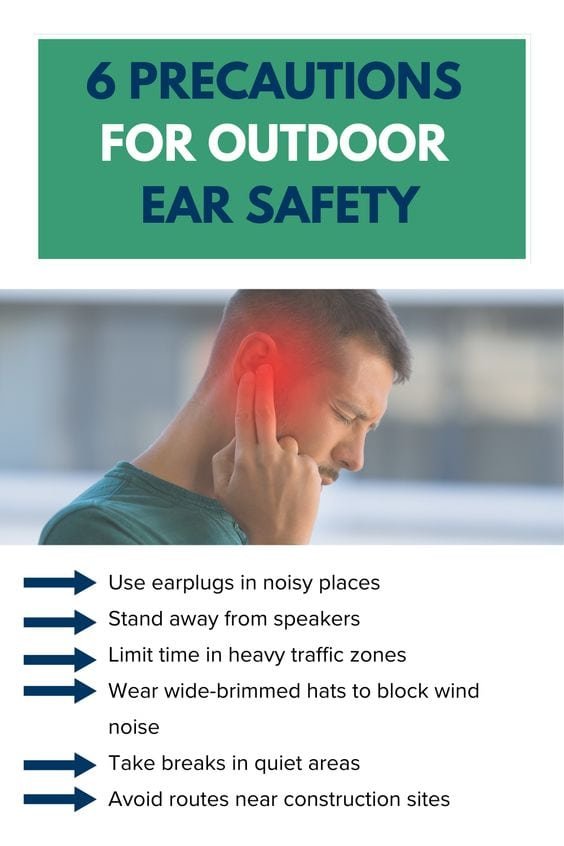
In this post, we’ll go over six simple precautions for outdoor ear safety that keep your hearing sharp and your ears healthy for years to come.
1. Use Earplugs in Noisy Places
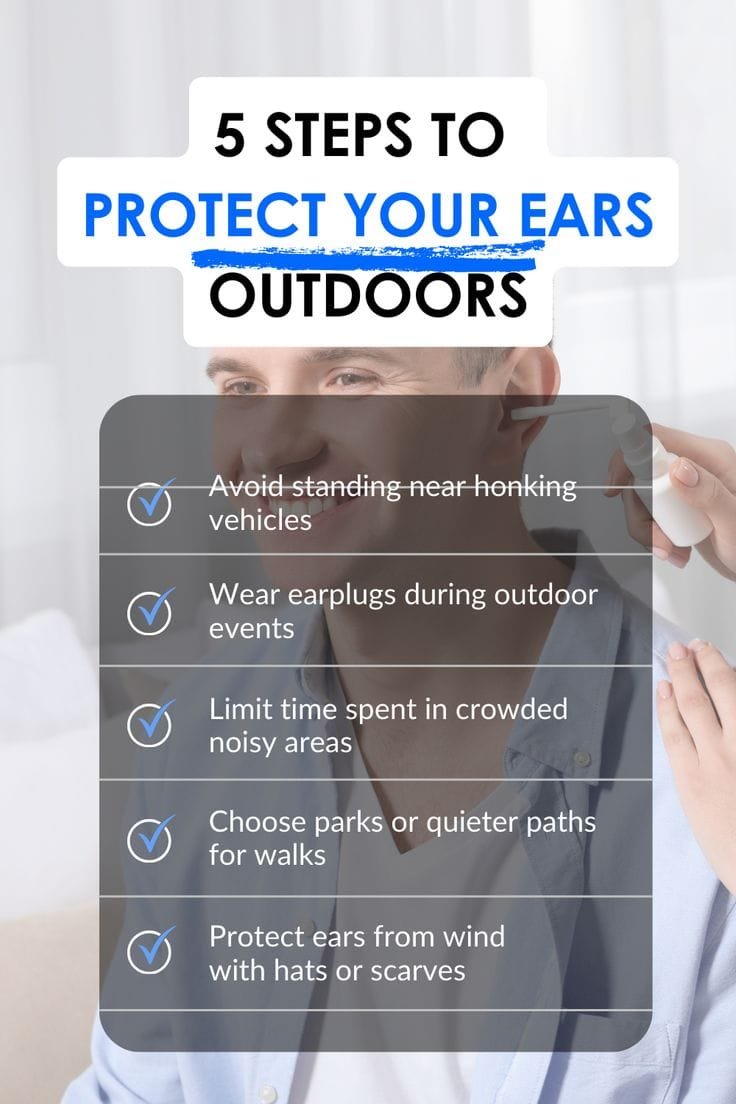
Earplugs are your first line of defense in loud environments like concerts, festivals, or busy city streets. A good pair can reduce harmful decibel levels without muting your surroundings completely. Opt for high-fidelity earplugs that preserve sound clarity while blocking excessive noise.
Tip: Keep a small case of reusable earplugs in your backpack or car—you’ll be surprised how often they come in handy.
2. Stand Away from Speakers
Standing too close to loudspeakers or sound systems can expose your ears to dangerously high volumes. Try maintaining at least 10–15 feet of distance when attending live events. Even a small step back can make a big difference in noise exposure.
If you’re with friends who love the front row, balance fun with safety—your ears will thank you later.
3. Limit Time in Heavy Traffic Zones
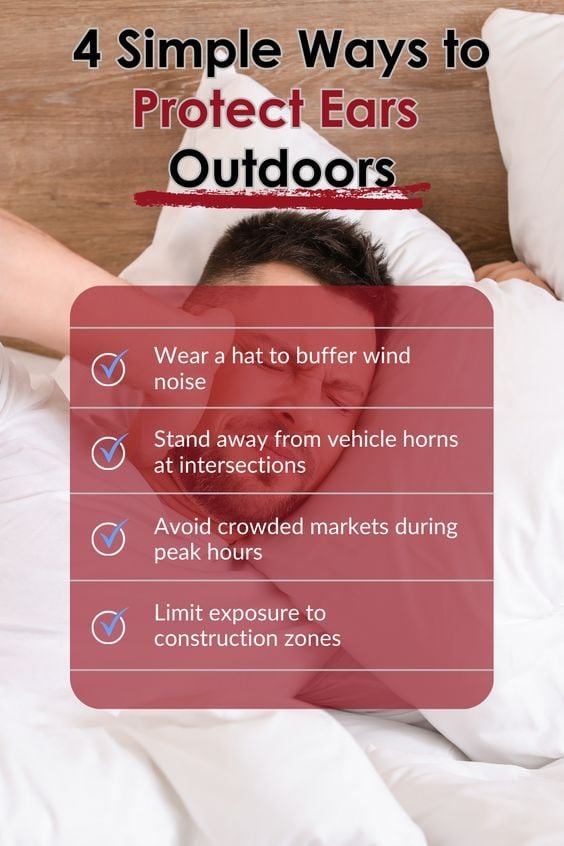
Urban noise pollution is one of the most overlooked causes of gradual hearing damage. If you walk or cycle through busy streets often, try alternating routes or wearing noise-canceling earbuds. These don’t just make your commute quieter—they reduce long-term stress on your hearing.
Whenever possible, choose paths through parks or quieter neighborhoods for a healthier soundscape.
4. Wear Wide-Brimmed Hats to Block Wind Noise
Strong winds can create a constant roaring sound that irritates your ears, especially during outdoor sports or biking. A wide-brimmed hat or ear-covering headband can help shield your ears from direct wind exposure.
This simple accessory doesn’t just offer sun protection—it also helps maintain temperature balance and prevents that annoying “buzz” caused by wind vibration.
5. Take Breaks in Quiet Areas
Just like your muscles, your ears need rest. Continuous noise—even moderate levels—can cause auditory fatigue. Make it a habit to step away for 5–10 minutes every hour during outdoor activities.
Find a quiet bench, breathe deeply, and let your ears recover. These short breaks lower stress and refresh your senses.
6. Avoid Routes Near Construction Sites
Construction areas often produce loud, unpredictable sounds like drilling or hammering that exceed safe hearing limits. When planning your route—whether walking or jogging—try to avoid construction-heavy zones.
If you can’t, cover your ears or use earplugs temporarily until you pass through. A small precaution can prevent long-term harm.
Why Ear Safety Matters Outdoors
Most people associate ear damage with headphones or concerts, but environmental noise plays a bigger role than you might think. According to hearing experts, long-term exposure to sounds over 85 decibels—like city traffic—can cause gradual hearing loss.
Protecting your ears outdoors isn’t just about comfort; it’s about preserving your hearing health for life.
Final Thoughts
Your ears deserve as much care as your eyes or skin. By following these six outdoor ear safety precautions, you’ll prevent discomfort, protect your hearing, and enjoy your favorite outdoor moments in peace.
👉 Pin this post for later to remind yourself to bring those earplugs next time you step outside!