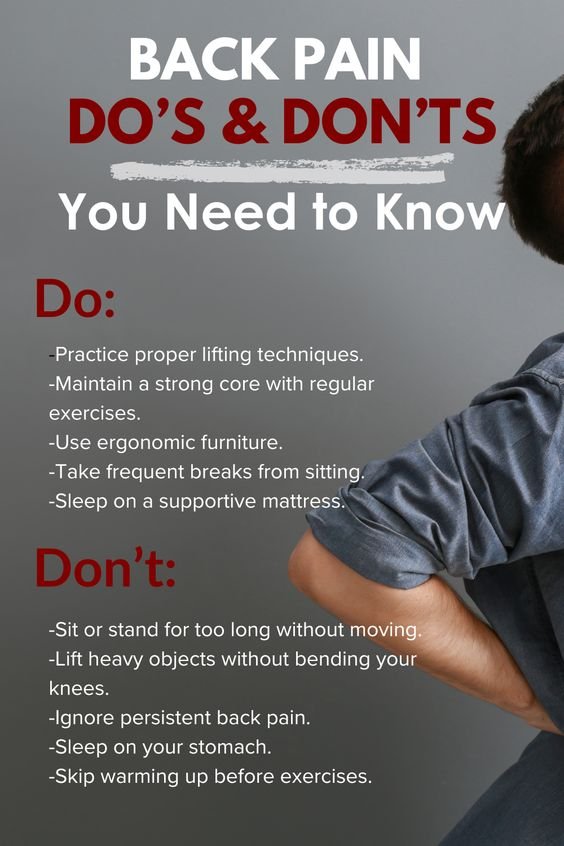
Back pain can sneak up on you—during work, while scrolling, even when you’re relaxing. But one of the most overlooked causes is something we do every single day without thinking: poor posture. Whether it’s slouching over a desk, looking down at a phone, or sitting for hours without support, posture plays a huge role in how your spine feels.
In this post, you’ll learn why poor posture leads to back pain, what happens inside your body, and simple steps you can start using today for real relief.
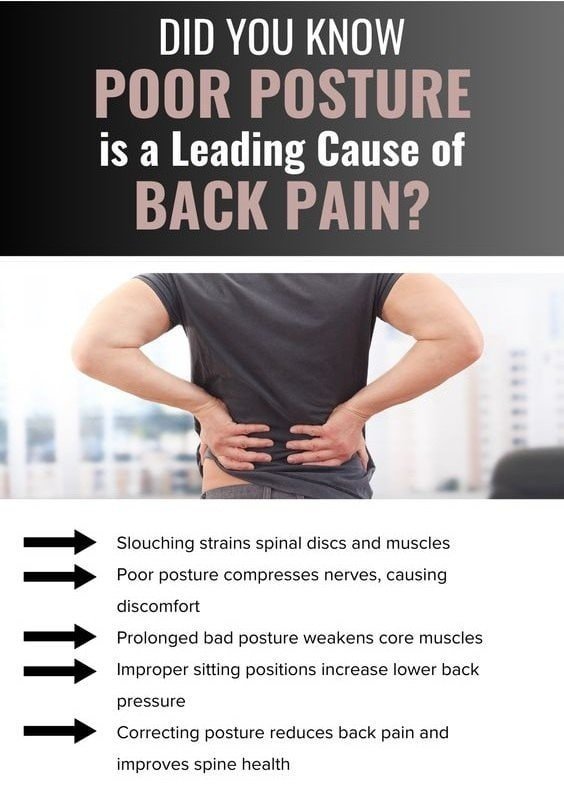
1. Slouching Strains Your Spinal Discs and Muscles
Slouching doesn’t just look uncomfortable—it puts extra pressure on the discs that cushion your spine. Over time, that pressure forces your muscles to work harder than they should.
What this means for you:
-
Tight, achy muscles that feel tired by midday
-
More pressure on your lower back and shoulders
-
Longer recovery time after simple daily tasks
Think of slouching like bending a straw over and over—it weakens the structure, making it more prone to discomfort.
2. Poor Posture Compresses Nerves, Causing Discomfort
When your spine falls out of alignment, nearby nerves can become slightly compressed or irritated. This is why poor posture can cause not just aching—but also tingling, sharp zaps, or stiffness.
Common signs:
-
Pain radiating down your back or hips
-
Numbness after sitting too long
-
A “pinched nerve” feeling after waking up
Small posture corrections can take pressure off those nerves and give them space to calm down.
3. Prolonged Bad Posture Weakens Your Core Muscles
Your core isn’t just your abs—it includes deep muscles that support your spine. When you slouch, your core stops working as hard, which slowly weakens it.
Why this matters:
-
Weaker core = more load on your spine
-
Your posture naturally gets worse
-
Daily movements feel heavier or harder
Strengthening your core doesn’t require intense workouts. Even simple things like sitting upright for 1–2 minutes at a time can re-train those muscles.
4. Improper Sitting Positions Increase Lower Back Pressure
Sitting is not the enemy—sitting poorly is. Rounded shoulders, tucked pelvis, or leaning forward puts all your weight into your lower spine.
Try this instead:
-
Keep feet flat on the floor
-
Relax your shoulders
-
Use a small rolled towel behind your lower back
-
Adjust your screen to eye level
These micro-adjustments take seconds but can reduce hours of discomfort.
5. Correcting Posture Reduces Back Pain and Improves Spine Health
The good news? Posture is something you can change, and improvements often bring relief faster than expected. Better posture helps your spine stay aligned, supports your muscles, and reduces strain.
Simple daily actions:
-
Do a quick shoulder-roll stretch
-
Set a reminder to stand every 45–60 minutes
-
Practice “chin-up posture” when using your phone
-
Strengthen your core with gentle exercises
Small habits add up—and your back will thank you for every bit of effort.
Final Thoughts
Poor posture may be one of the biggest contributors to back pain, but it’s also one of the most fixable. By staying aware of your sitting, standing, and daily habits, you can reduce pressure on your spine and support long-lasting comfort. Start with one simple habit today—your back doesn’t need perfection, just consistency.
If this helped you, save this post for later or share it with someone who struggles with back pain.