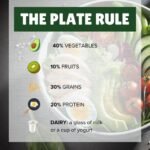
Eating healthy doesn’t have to involve calorie counting, food scales, or complicated rules. Sometimes the simplest visual guide works best—and that’s exactly where the Plate Rule comes in. This approach focuses on building balanced meals by dividing your plate into clear sections: vegetables, fruits, grains, protein, and dairy.
Instead of obsessing over numbers, the Plate Rule helps you make smarter food choices naturally. Whether your goal is better digestion, steady energy, or weight management, this method makes healthy eating feel manageable and sustainable.
Let’s break down how it works and how you can apply it easily in daily life.
What Is the Plate Rule?
The Plate Rule is a straightforward method for structuring meals without tracking calories. It emphasizes food balance, portion awareness, and nutrient variety.
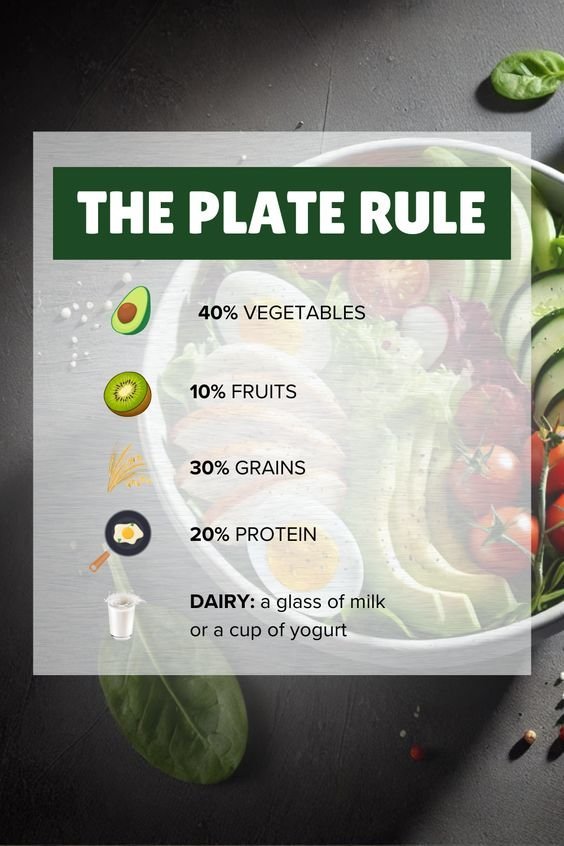
A balanced plate typically includes:
-
40% vegetables
-
10% fruits
-
30% grains
-
20% protein
-
A serving of dairy, such as milk or yogurt
This layout supports stable blood sugar, better digestion, and consistent energy throughout the day.
40% Vegetables: The Foundation of the Plate
Vegetables make up the largest portion for a reason. They’re rich in fiber, vitamins, minerals, and antioxidants while being relatively low in calories.
Benefits of filling nearly half your plate with vegetables:
-
Improved digestion and gut health
-
Increased fullness with fewer calories
-
Better blood sugar control
Leafy greens, broccoli, peppers, carrots, zucchini, and salads all work well. Aim for color and variety instead of perfection.
10% Fruits: Natural Sweetness With Benefits
Fruit adds natural sweetness along with fiber and important nutrients. Keeping fruit to a smaller portion helps avoid excess sugar intake while still enjoying its benefits.
Good choices include:
-
Berries
-
Apples
-
Kiwi
-
Citrus fruits
Fruits work especially well as a refreshing balance to savory meals.
30% Grains: Steady Energy and Fuel
Grains provide the body’s preferred energy source—carbohydrates. The Plate Rule encourages moderation and quality rather than elimination.
Ideal grain options:
-
Brown rice
-
Quinoa
-
Whole wheat bread
-
Oats
Whole grains digest more slowly, helping prevent energy crashes and overeating later on.
20% Protein: Support for Muscles and Satiety
Protein plays a key role in muscle maintenance, metabolism, and appetite control. Including it in every meal helps you feel satisfied longer.
Protein sources that fit the Plate Rule:
-
Eggs
-
Fish or chicken
-
Beans or lentils
-
Tofu or yogurt
Protein doesn’t need to dominate the plate—consistency matters more than portion size.
Dairy: A Simple Add-On for Balance
The Plate Rule includes a moderate serving of dairy, such as a glass of milk or a cup of yogurt. Dairy contributes calcium, protein, and additional nutrients that support bone health.
If dairy isn’t suitable for you, alternatives like fortified plant-based options can still fit into the structure.
Why the Plate Rule Works So Well
What makes the Plate Rule effective is its simplicity. Instead of restriction, it focuses on balance.
Key benefits include:
-
Natural portion control
-
Reduced decision fatigue
-
Less need for calorie counting
-
Easier long-term consistency
By visually guiding your meals, it reduces mindless overeating and encourages healthier choices without pressure.
Using the Plate Rule for Weight Management
The Plate Rule supports weight management by prioritizing fiber-rich foods and protein while keeping energy intake balanced.
It helps by:
-
Increasing fullness through vegetables
-
Reducing overeating without strict rules
-
Supporting steady blood sugar levels
Over time, this balance can lead to improved body composition and better energy without extreme dieting.
Practical Tips to Follow the Plate Rule Daily
Making the Plate Rule a habit doesn’t require perfection—just intention.
Try these tips:
-
Start with vegetables before adding other foods
-
Choose whole grains when possible
-
Build meals around what’s available
-
Use smaller plates to reinforce portions
Even partial adherence is better than none.
Common Mistakes to Avoid
While simple, a few pitfalls can reduce effectiveness:
-
Overloading grains and protein
-
Skipping vegetables
-
Ignoring variety
Remember, the Plate Rule is flexible—not rigid. Adjust it to your preferences and lifestyle.
Final Thoughts
The Plate Rule is one of the easiest ways to create balanced, nourishing meals without stress or strict calculations. By filling your plate with vegetables first, adding moderate portions of fruits, grains, protein, and dairy, you naturally support better digestion, energy, and long-term health. It’s not about eating perfectly—it’s about eating thoughtfully.
Try building your next meal using the Plate Rule and notice how it affects your hunger and energy. Which section of your plate feels easiest for you to improve right now?