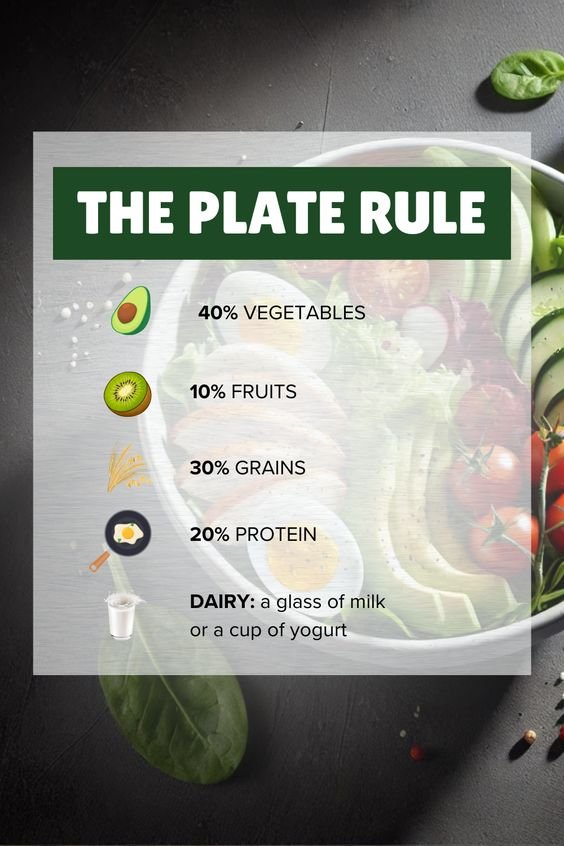
Healthy eating doesn’t need to be complicated, restrictive, or stressful. In fact, one of the easiest ways to build a nourishing diet is by focusing on what your plate looks like. The Plate Rule is a simple visual method that helps you portion meals intelligently without calorie counting or weighing food. Instead, you just divide your plate into balanced food groups — vegetables, fruits, grains, protein, and a small dairy serving.
This structure supports better digestion, energy levels, weight control, and long-term wellness. In this article, we’ll break down The Plate Rule and show how to use it in real meals every day.
How The Plate Rule Works
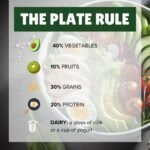
At its core, this method divides your plate into four sections with one small additional component:
-
40% Vegetables
-
10% Fruits
-
30% Grains
-
20% Protein
-
Plus a serving of dairy such as milk or yogurt
Instead of restricting foods, The Plate Rule encourages balance. You get enough carbs for energy, fiber for digestion, protein for muscle repair, and micronutrients for overall health.
Let’s look at each part more closely.
1. 40% Vegetables — The Foundation of the Plate
Vegetables take up the largest portion, and for good reason. They are rich in vitamins, minerals, antioxidants, and fiber — all essential for keeping the body functioning smoothly.
Best choices include:
-
Leafy greens like spinach, kale, lettuce
-
Cruciferous veggies like broccoli, cabbage, cauliflower
-
Colorful options like bell peppers, carrots, zucchini, tomatoes
Raw salads, roasted vegetables, steamed mixes — all count. The goal is variety and color, because the more diverse your plate, the more nutrients your body receives.
2. 10% Fruits — A Natural Sweetness Boost
Fruits provide vitamins, hydration, and natural sugars without relying on processed sweets. They are a small but powerful part of the plate.
Examples of smart fruit portions:
-
A few slices of orange, apple, or kiwi
-
A handful of berries
-
Half a banana
You don’t need a full bowl of fruit after each meal — just enough to add freshness and a touch of sweetness.
3. 30% Grains — Your Main Energy Source
Grains provide carbohydrates, which fuel the brain, muscles, and metabolism. The key is choosing whole grains rather than refined ones, as whole grains offer long-lasting energy and more fiber.
Great options:
-
Brown rice, quinoa, oats
-
Whole-grain pasta or bread
-
Barley, bulgur, millet
This portion helps prevent energy crashes and keeps you satisfied longer between meals.
4. 20% Protein — Strength, Repair & Satiety
Protein supports muscle repair, immune function, and hunger control. It is especially important for people who exercise, are aging, or are trying to lose weight without losing muscle.
Protein examples for your plate:
-
Chicken, fish, lean beef, turkey
-
Eggs or tofu
-
Beans, chickpeas, or lentils
Aim to rotate your protein sources for balanced nutrition and better overall health.
5. A Small Dairy Serving — Optional but Beneficial
Alongside the plate, include one serving of dairy such as:
-
A glass of milk
-
A cup of yogurt
This provides calcium, vitamin D, and probiotics (if yogurt is included). If you are lactose-intolerant or dairy-free, plant-based alternatives like almond yogurt or fortified soy milk work well too.
Easy Meal Ideas Using The Plate Rule
To make this practical, here are a few real-world meal combinations:
🍽️ Lunch Example:
-
40% salad with tomatoes & cucumber
-
10% pineapple slices
-
30% quinoa
-
20% grilled chicken
-
Yogurt with chia on the side
🍽️ Dinner Example:
-
40% steamed broccoli & carrots
-
10% fresh berries
-
30% brown rice
-
20% baked salmon
-
A small glass of milk
🍽️ Vegetarian Option:
-
40% roasted veggies
-
10% orange slices
-
30% whole-wheat pasta
-
20% lentils with seasoning
-
Coconut yogurt topped with seeds
Simple. Flexible. Completely adjustable to lifestyle.
Final Thoughts
The Plate Rule is less about perfection and more about balance. When nearly half of your meal comes from vegetables, supported by fruit, whole grains, and a solid protein source, your body receives everything it needs to stay energized and nourished.
Add a touch of dairy if it works for you, stay mindful but not restrictive, and enjoy meals that are colorful, satisfying, and naturally wholesome. A healthy plate doesn’t have to be complicated — it just needs balance, variety, and a little bit of awareness each day.