You’re eating better. You’re trying to move more. And yet…the fat just isn’t budging. It’s frustrating, confusing, and honestly discouraging. If this sounds familiar, you’re not alone. In many cases, the issue isn’t effort—it’s small, hidden habits that quietly stall progress. Understanding why you’re not losing fat can help you stop blaming yourself and start making smarter adjustments.
Let’s break down the most common reasons fat loss stalls and how to realign your routine without extreme dieting.
1. You’re Not Getting Enough Sleep
Sleep is one of the most underestimated fat-loss tools.
When sleep is poor:
-
Hunger hormones increase
-
Cravings intensify
-
Recovery slows
Even with a good diet, chronic sleep deprivation can make fat loss much harder. Aim for consistent sleep, not perfection—small improvements matter.
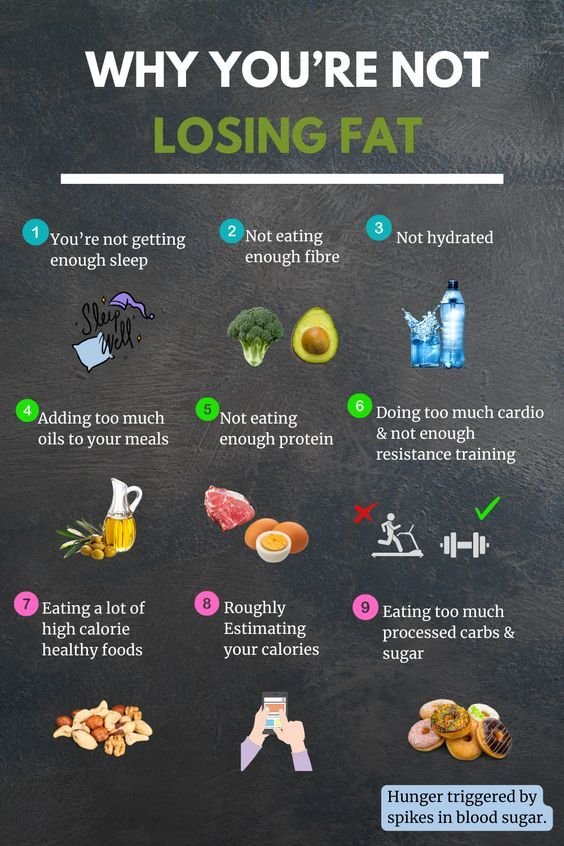
2. You’re Not Eating Enough Fiber
Fiber plays a huge role in fullness, digestion, and blood sugar stability.
Low fiber intake can lead to:
-
Frequent hunger
-
Overeating
-
Poor gut support
Vegetables, berries, legumes, and whole grains help keep meals satisfying without adding unnecessary calories.
3. You’re Not Properly Hydrated
Dehydration often disguises itself as hunger.
When hydration is low:
-
Appetite cues get confusing
-
Energy levels drop
-
Workout performance suffers
Drinking water consistently throughout the day supports metabolic efficiency and helps regulate appetite naturally.
4. You’re Adding Too Much Oil Without Realizing It
Healthy oils are beneficial—but calorie dense.
Common pitfalls include:
-
Free-pouring olive oil
-
Overdressing salads
-
Excess cooking oil
A tablespoon here and there adds up quickly. Measuring oils can reveal where extra calories are sneaking in.
5. You’re Not Eating Enough Protein
Protein helps preserve muscle and keeps you full.
Low protein intake may cause:
-
Muscle loss during weight loss
-
Increased snacking
-
Slower metabolism
Including a clear protein source at each meal makes fat loss more sustainable.
6. Too Much Cardio, Not Enough Resistance Training
Cardio is useful—but it’s not the whole picture.
Fat loss stalls when:
-
Muscle mass decreases
-
Workouts lack strength training
-
Recovery is insufficient
Resistance training helps build metabolically active tissue, which supports long-term fat loss.
7. You’re Eating High-Calorie “Healthy” Foods Too Often
Foods like nuts, nut butters, seeds, and granola are nutritious—but dense.
Common issue:
-
Portions are much larger than intended
Healthy food still counts toward energy intake. Awareness—not avoidance—is key.
8. You’re Roughly Estimating Calories
Eyeballing works…until it doesn’t.
Inconsistent tracking leads to:
-
Underestimating portions
-
Missing small snacks
-
Slower progress
You don’t need to track forever, but temporary accuracy can reconnect you with real intake.
9. Too Many Processed Carbs and Sugar
Highly processed carbs cause rapid blood sugar spikes.
This can trigger:
-
Quick hunger rebounds
-
Low energy crashes
-
Increased fat storage signals
Balancing carbs with protein, fiber, and fats helps stabilize appetite and reduce cravings.
Why You’re Not Losing Fat Isn’t About Willpower
Fat loss plateaus are rarely about laziness or lack of discipline. They’re usually about misalignment.
Think of fat loss like steering—not pushing harder, but adjusting direction.
Small Fixes That Make a Big Difference
You don’t need to overhaul everything at once:
-
Sleep 30 minutes longer
-
Add protein to one meal
-
Measure oils for a week
-
Lift weights twice weekly
One change at a time leads to sustainable progress.
Final Thoughts
If you’ve been wondering why you’re not losing fat, the answer is often found in everyday habits—not extreme diets. From sleep and hydration to fiber, protein, and exercise balance, these small factors quietly shape results. The good news? They’re all adjustable.
Save this post for later and revisit it when progress feels slow. Which factor do you think might be affecting you the most right now?