Living with that constant ringing, buzzing, or hissing sound can feel isolating—but tinnitus isn’t as mysterious as many think. While there’s no magic “off switch,” there are proven ways to make life easier and reduce the noise’s impact. Sadly, a lot of myths still keep people from finding relief.
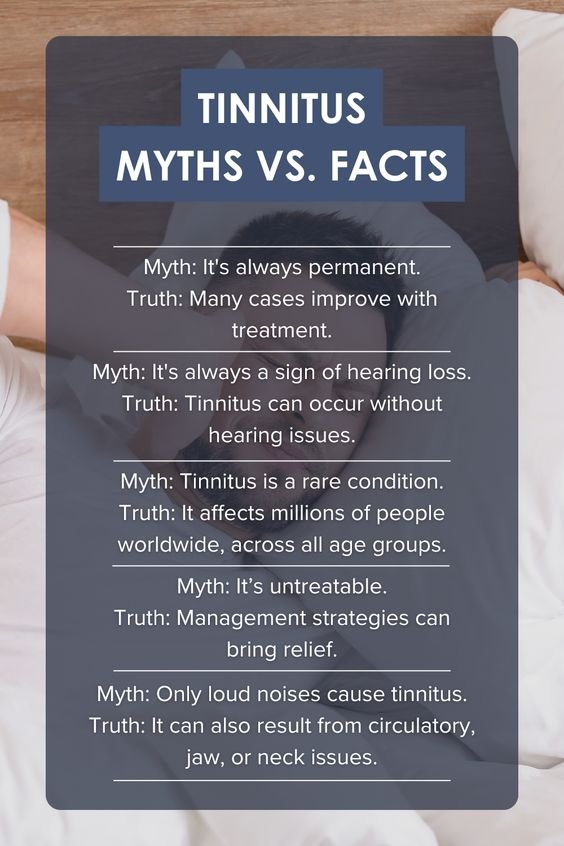
Today, let’s clear up five common myths about tinnitus and uncover what’s actually true—because understanding it better is the first step toward managing it.
1. Myth: Tinnitus Has No Treatment
Fact: There may not be a single cure, but that doesn’t mean there’s no help.
Tinnitus management focuses on reducing the perception and emotional stress of the sound. Cognitive Behavioral Therapy (CBT), sound therapy, relaxation exercises, and hearing aids can make a real difference. Think of it as learning to turn down the volume on how your brain reacts to the sound—not eliminating it completely.

2. Myth: It’s Only a Problem for Older Adults
Fact: Anyone can experience tinnitus, regardless of age.
While age-related hearing loss is a common cause, younger people exposed to loud headphones, concerts, or workplace noise can develop tinnitus too. Even stress and ear infections play a role. Protecting your hearing early helps prevent it from worsening later.
3. Myth: Complete Silence Is Best
Fact: Silence can actually make tinnitus feel louder.
When your environment is totally quiet, your brain amplifies the internal noise to fill the void. That’s why gentle background sounds—like a fan, soft music, or white noise—often bring more comfort than silence. The goal is to mask the ringing just enough for your mind to relax.
4. Myth: Hearing Aids Don’t Help
Fact: Hearing aids can significantly improve tinnitus for many.
For people with hearing loss, using hearing aids boosts external sounds, helping drown out the ringing. Modern hearing aids often include built-in tinnitus maskers that play soft sounds, offering even more relief. It’s not just about hearing better—it’s about feeling calmer and more in control.
5. Myth: Tinnitus Is Permanent for Everyone
Fact: For some, tinnitus fades or improves over time.
Temporary tinnitus is common after a loud concert or an ear infection. For others, consistent management—like stress control, dietary balance, and sound therapy—helps symptoms gradually reduce. The earlier you address it, the better your chances of improvement.
How to Cope Better with Tinnitus Daily
Here are a few habits that help:
-
Avoid loud environments and use ear protection.
-
Reduce caffeine and alcohol, which can sometimes worsen symptoms.
-
Try deep breathing or mindfulness to lower stress levels.
-
Stay active—movement and relaxation improve overall well-being.
Final Thoughts
Tinnitus doesn’t define you—it’s simply a sound your brain is interpreting differently. By understanding the facts and embracing practical strategies, you can reclaim your peace and live more comfortably.
💡 Save this post to your “Tinnitus Relief” board or share it with someone who needs to know these truths.