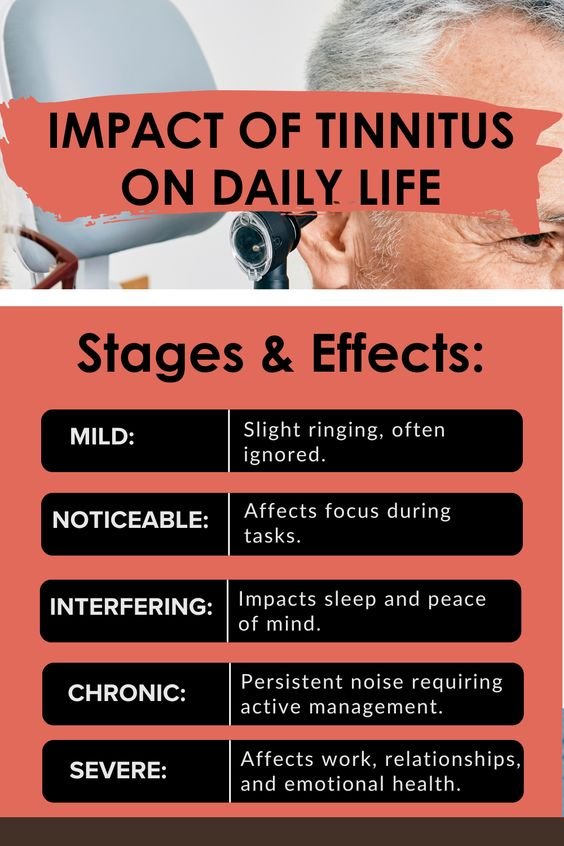
If you’ve ever experienced a ringing or buzzing sound that no one else seems to hear, you’re not alone — that’s tinnitus. What’s surprising, though, is how misunderstood it still is. Many assume it’s only linked to hearing loss, but tinnitus can have many different causes and triggers.
Let’s uncover what most people don’t know about tinnitus — and what small steps can help reduce its impact on your daily life.
1. It Can Develop Without Total Hearing Loss
One of the biggest misconceptions is that tinnitus only happens after complete hearing loss. The truth?
Many people experience tinnitus while their overall hearing remains normal.
Sometimes, even mild hearing changes, nerve inflammation, or earwax buildup can trigger those phantom sounds. Regular hearing checkups can catch subtle issues early and help prevent worsening symptoms.
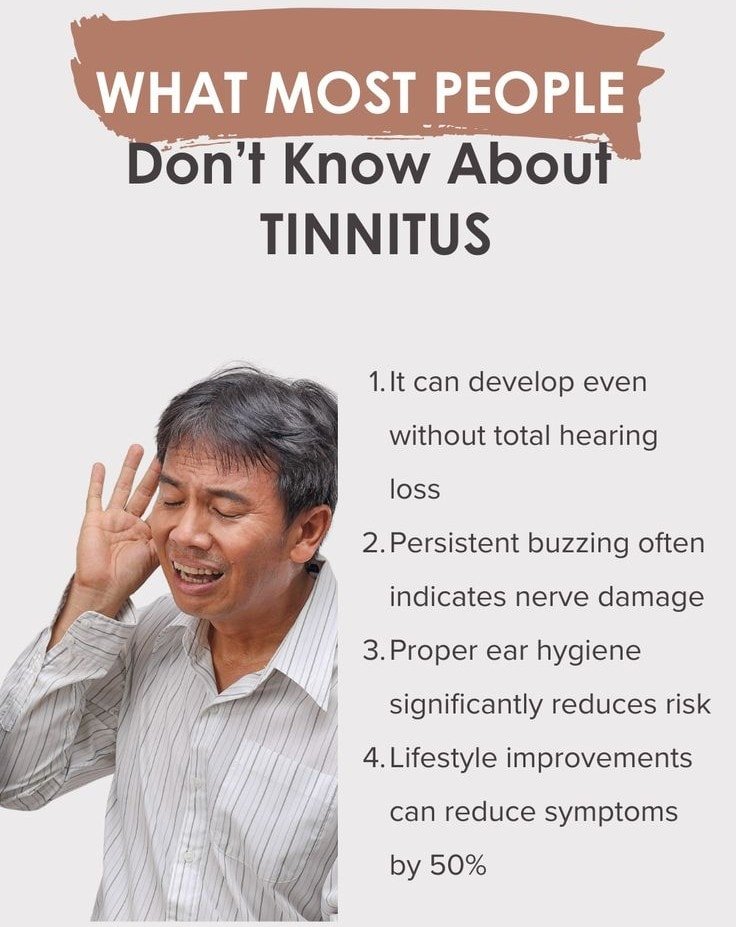
2. Persistent Buzzing Often Indicates Nerve Damage
If your tinnitus sounds more like a constant buzz or high-pitched tone, it may be linked to nerve irritation or damage inside the inner ear. These nerves transmit sound signals to your brain, and when they’re overworked or damaged, your brain can “fill in the gaps” by creating phantom sounds.
Reducing noise exposure — like using ear protection in loud places — can help protect your auditory nerves over time.
3. Proper Ear Hygiene Significantly Reduces Risk
Sometimes, tinnitus is caused by something as simple as earwax blockage. When wax builds up, it puts pressure on the eardrum and alters how sound waves travel. To lower your risk:
-
Avoid using cotton swabs deep inside the ear
-
Use doctor-approved ear drops if needed
-
Schedule professional cleanings if buildup is frequent
Good hygiene keeps your ears healthy and can prevent preventable tinnitus episodes.
4. Lifestyle Improvements Can Reduce Symptoms by 50%
Stress, poor sleep, caffeine, and constant screen exposure can make tinnitus louder or more noticeable. But the good news is that small lifestyle tweaks often lead to major improvements. Try:
-
Deep breathing or mindfulness meditation
-
Regular physical activity for better circulation
-
Setting daily quiet moments to calm your senses
Research shows that consistent relaxation practices can reduce perceived tinnitus loudness by up to 50%.
🌿 Final Thoughts
Tinnitus doesn’t have to control your day — understanding it is the first step to relief. From ear hygiene to stress management, every small improvement helps. Start making gentle changes now, and over time, you’ll find more moments of quiet calm.
Pin this post to share awareness — because what most people don’t know about tinnitus might just help someone find peace today 💙