Living with tinnitus can feel exhausting—especially when the ringing or buzzing never seems to fully stop. Many people try their best to cope, yet still feel frustrated by limited improvement. In many cases, the problem isn’t effort—it’s approach.
Tinnitus management isn’t about silencing sound at all costs. It’s about understanding triggers, using supportive tools, and building habits that reduce how intrusive tinnitus feels over time. Below are some common ways people unintentionally manage tinnitus the wrong way—and what to do instead.
Why Tinnitus Management Often Falls Short
Tinnitus is complex. It’s influenced by hearing health, stress levels, lifestyle habits, and nervous system response. When management focuses on only one piece of the puzzle, results are often limited.
Effective tinnitus care works best when it’s:
-
Consistent, not reactive
-
Holistic, not one-dimensional
-
Supportive, not avoidant
Let’s look at where many people go wrong.
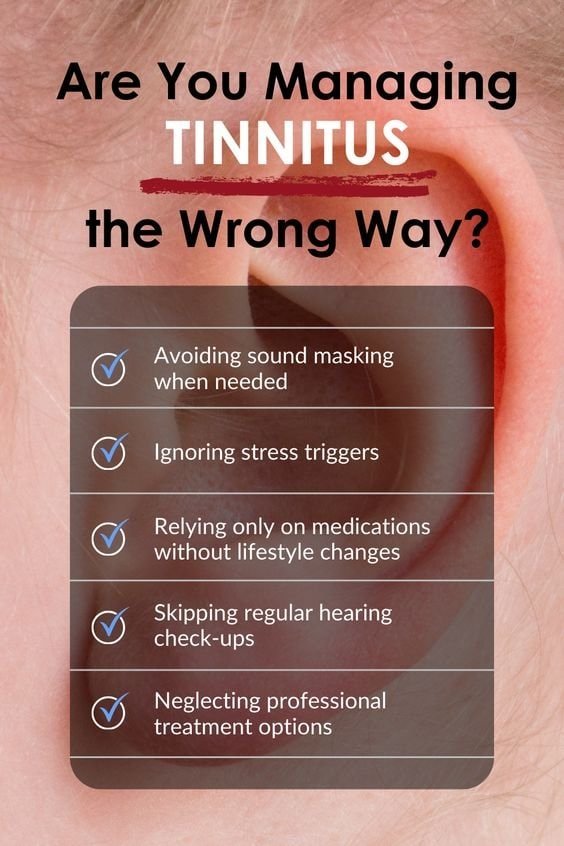
1. Avoiding Sound Masking When It’s Needed
Some people try to sit in silence, hoping their tinnitus will eventually fade. Unfortunately, silence often makes tinnitus more noticeable.
Avoiding sound masking can:
-
Increase focus on internal noise
-
Heighten stress and frustration
-
Make sleep more difficult
What helps instead: Using gentle background sounds—like white noise, nature sounds, or soft music—can reduce how dominant tinnitus feels without “covering it up” aggressively.
2. Ignoring Stress Triggers
Stress doesn’t cause tinnitus, but it can significantly amplify how loud or intrusive it feels.
Ignoring stress triggers may lead to:
-
Increased tinnitus intensity
-
Heightened nervous system response
-
Poor sleep and focus
Helpful shift: Identifying stress patterns and practicing calming habits—like breathing exercises, light movement, or structured rest—often reduces tinnitus distress.
3. Relying Only on Medications Without Lifestyle Changes
Medication may play a role for some people, but tinnitus management rarely improves when medications are the only strategy.
Relying solely on medication can:
-
Overlook lifestyle contributors
-
Limit long-term improvement
-
Create frustration when results plateau
Balanced approach: Combining medical guidance with lifestyle adjustments—such as sleep quality, hydration, noise protection, and stress management—often leads to better outcomes.
4. Skipping Regular Hearing Check-Ups
When tinnitus feels familiar, it’s easy to stop monitoring hearing health altogether.
Skipping check-ups may:
-
Delay detection of hearing changes
-
Miss treatable contributors
-
Limit early intervention options
Why it matters: Hearing health and tinnitus are closely connected. Even subtle changes can influence symptom perception.
5. Neglecting Professional Treatment Options
Some people assume nothing can help tinnitus and stop exploring professional support.
This can result in:
-
Missed coping tools
-
Limited education about tinnitus
-
Ongoing frustration
Reality check: Professional options—such as hearing evaluations, sound therapy guidance, or counseling—don’t cure tinnitus, but they often help people manage it more effectively.
What Better Tinnitus Management Looks Like
A healthier approach focuses on:
-
Reducing stress and nervous system overload
-
Using sound support strategically
-
Protecting hearing from further strain
-
Staying informed and proactive
Management isn’t about control—it’s about comfort and adaptability.
Common Mindset Shift That Helps
One of the most helpful shifts is moving from:
“How do I make this stop?”
To:
“How do I make this easier to live with?”
This change alone often reduces distress and improves quality of life.
When to Seek Professional Guidance
Consider professional support if tinnitus:
-
Is worsening or changing
-
Affects sleep or mental health
-
Appears suddenly or on one side
-
Interferes with daily functioning
Early guidance often prevents unnecessary frustration.
Final Thoughts
Managing tinnitus the wrong way usually isn’t intentional—it’s often based on incomplete information or understandable frustration. By avoiding common mistakes like ignoring stress, skipping check-ups, or relying on a single strategy, you give yourself a better chance at long-term comfort.
Tinnitus management works best when it’s thoughtful, flexible, and supportive—not forced.
👉 Save this guide and revisit it when tinnitus feels overwhelming.
Which of these habits do you recognize in your own routine?