Maggi noodles are quick, comforting, and incredibly popular across all age groups. Whether it’s a late-night snack, a busy-day meal, or a nostalgic favorite, Maggi often feels like an easy solution. But many people pause and wonder—is Maggi good or bad for health?
The answer isn’t black or white. Like most processed foods, Maggi has both strengths and drawbacks. Understanding what’s actually inside—and how often it’s eaten—makes all the difference. Let’s break it down calmly and clearly so you can make informed choices without guilt or confusion.
Understanding Maggi’s Basic Nutrition
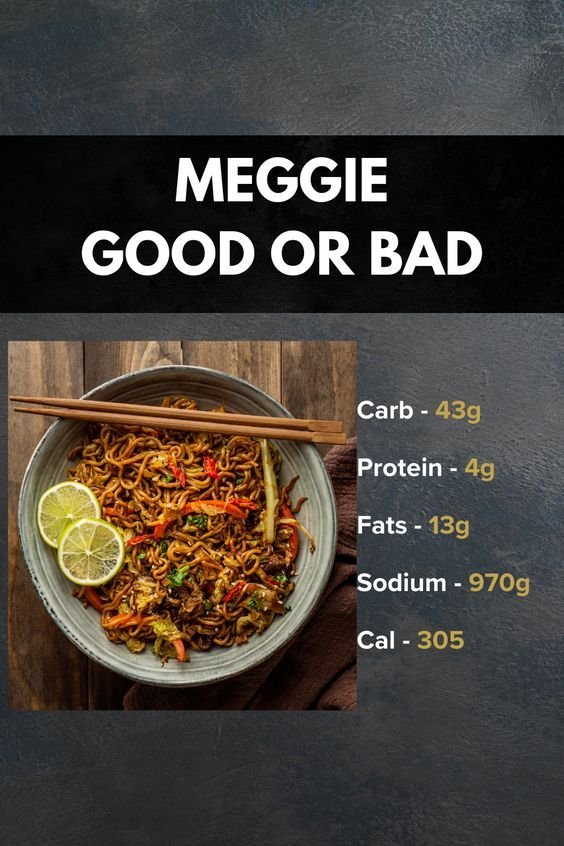
A typical serving of Maggi provides roughly:
-
Carbohydrates: ~43 g
-
Protein: ~4 g
-
Fat: ~13 g
-
Calories: ~305
-
Sodium: ~970 mg
At first glance, it’s easy to see why Maggi feels filling. It delivers quick energy and strong flavor. But nutrition isn’t just about calories—it’s also about balance and long-term impact.
Why Maggi Can Feel Like a “Good” Option Sometimes
There are reasons Maggi remains so popular, especially during busy days.
1. Quick and Convenient
Maggi takes just minutes to prepare, making it appealing when time or energy is limited. For students, working adults, or anyone short on options, convenience matters.
2. Provides Immediate Energy
With a high carbohydrate content, Maggi can quickly boost energy levels. This is why it often feels satisfying in the short term.
3. Comfort and Familiarity
Food isn’t only fuel—it’s emotional. Maggi carries nostalgia for many people, which can influence how enjoyable it feels.
Used occasionally, it can fit into a broader eating pattern without causing harm.
Where the Concerns Come In
The health debate around Maggi mostly centers on frequency and balance, not occasional consumption.
1. High Sodium Content
One serving contains close to 970 mg of sodium, which is a significant portion of the daily recommended limit.
Excess sodium over time may:
-
Increase blood pressure risk
-
Contribute to fluid retention
-
Affect heart health
This matters especially for people with hypertension or sensitivity to salt.
2. Low Protein and Fiber
With only 4 g of protein, Maggi lacks the nutrients that help you feel full longer.
Low protein and fiber may lead to:
-
Faster hunger return
-
Blood sugar spikes
-
Reduced satiety
This is why Maggi alone may not sustain energy for long.
3. Processed Ingredients
Maggi is a processed food, meaning it doesn’t provide the same micronutrients as whole foods like vegetables, legumes, or grains.
When processed foods dominate the diet, nutritional gaps can gradually appear.
Is Maggi Bad for Weight or Health?
Maggi itself isn’t automatically “bad.” The issue arises when it becomes a frequent meal replacement rather than an occasional choice.
Eating it often may:
-
Increase sodium intake consistently
-
Displace nutrient-dense meals
-
Encourage reliance on processed foods
In contrast, having it occasionally—within a balanced diet—usually doesn’t pose a problem for healthy individuals.
How to Make Maggi a Smarter Choice
If you enjoy Maggi, there are simple ways to improve its nutritional profile:
-
Add vegetables like carrots, peas, spinach, or capsicum
-
Include a protein source such as eggs, tofu, or lentils
-
Use less of the seasoning packet to reduce sodium
-
Pair it with a side of fruit or salad
These small tweaks can transform Maggi from a standalone snack into a more balanced meal.
So… Is Maggi Good or Bad?
The honest answer: Maggi is neither entirely good nor entirely bad.
It’s best viewed as:
-
✔️ Acceptable occasionally
-
❌ Not ideal as a regular meal
-
⚖️ Fine when balanced with nutritious foods
Health isn’t about banning favorite foods—it’s about patterns. What you eat most of the time matters far more than what you eat once in a while.
Final Thoughts
Maggi’s convenience and taste make it tempting, but understanding its nutrition helps you use it wisely. When enjoyed occasionally and paired with healthier additions, it can fit into a balanced lifestyle. When eaten too frequently and alone, it may fall short nutritionally.
Awareness—not restriction—is the key to healthier eating decisions.
👉 Save this article for reference and revisit it when planning quick meals.