Not all fruits are equal when it comes to sugar content. While fruit is naturally healthy, antioxidant-rich, and refreshing, some varieties contain significantly more sugar than others — which can affect weight loss, blood glucose levels, cravings, and appetite control. If you’re aiming to cut down on sugar but still enjoy something sweet, choosing lower-sugar fruits is one of the simplest and smartest nutrition strategies.
Below is a breakdown of the best low-sugar fruits, including how many grams of sugar they contain per 100 grams and how to enjoy them in everyday meals.
Top Low-Sugar Fruits (per 100g serving)
1. Lemons / Limes — 2.5g Sugar
One of the lowest-sugar fruits you can eat. These aren’t typically eaten alone, but they add bright flavor and vitamin C to water, tea, fish, salads, and smoothies. They also support hydration and digestion.
Best way to use them:
-
Morning warm lemon water
-
As salad dressing base with olive oil
-
Splash into green tea or sparkling water
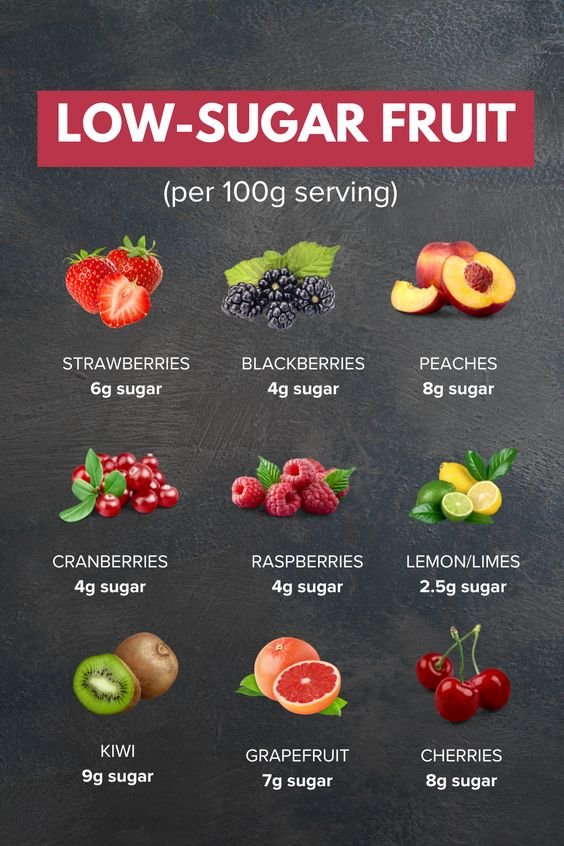
2. Blackberries — 4g Sugar
Blackberries offer deep flavor, fiber, and antioxidants with very little sugar. They help with fullness, gut health, and inflammation support.
Enjoy them:
-
Mixed into yogurt or oatmeal
-
Blended into smoothies
-
Frozen as a refreshing snack
3. Cranberries — 4g Sugar
Fresh cranberries are tart but nutrient-dense. Many packaged cranberry products are sweetened, so fresh or unsweetened is best if you want low-sugar benefits.
Use them in:
-
Smoothies
-
Homemade cranberry sauce
-
Baking with natural sweeteners
4. Raspberries — 4g Sugar
Raspberries are high in fiber which helps regulate hunger and digestion. Despite their sweet taste, they remain one of the lowest-sugar berries available.
Best paired with:
-
Greek yogurt + chia seeds
-
Cottage cheese or porridge
-
Dark chocolate for a healthy dessert
5. Strawberries — 6g Sugar
Strawberries are light, sweet, juicy, and ideal for weight-friendly snacking. With high water content, they fill you up without many calories.
Great eating ideas:
-
Slice over whole-grain pancakes
-
Blend with greens in smoothies
-
Dip in dark chocolate for a treat
6. Grapefruit — 7g Sugar
Refreshing and cleansing, grapefruit is known for supporting metabolism and digestion. It’s popular in weight-loss plans because it curbs appetite.
Try it:
-
Fresh for breakfast with a spoon
-
In fruit salads with mint
-
Juiced or mixed with sparkling water
7. Peaches — 8g Sugar
Naturally sweet and fragrant, peaches offer vitamins A and C with moderate sugar. They satisfy dessert cravings without overwhelming sugar intake.
Enjoy them:
-
Sliced with cottage cheese
-
Grilled with cinnamon
-
Blended into smoothies
8. Cherries — 8g Sugar
Cherries provide antioxidants, melatonin, and anti-inflammatory benefits. A generous handful is sweet, satisfying, and surprisingly low for its flavor intensity.
A few delicious uses:
-
Snack by the handful
-
Add to overnight oats
-
Bake into oatmeal bars
9. Kiwi — 9g Sugar
Kiwi contains slightly more sugar, but it’s still lower than many fruits like grapes, mangoes, and bananas. It delivers vitamin C, fiber, and immune support.
Use it in:
-
Fruit bowls
-
Smoothies
-
Yogurt parfaits
Why Low-Sugar Fruit Choices Matter
Choosing lower-sugar fruit doesn’t mean avoiding fruit — it means balancing sweetness with fiber and nutrients. Low-sugar fruits can:
| Benefit | How it Helps |
|---|---|
| Supports weight loss | Lower calories + fewer sugar spikes |
| Reduces cravings | More fiber = better hunger control |
| Supports healthy blood sugar | Slow glucose release prevents crashes |
| Allows sweet satisfaction | Without heavy sugar intake |
For those with insulin sensitivity, diabetes, or fat-loss goals, these fruits offer sweetness without overload.
How to Incorporate Low-Sugar Fruits Into Your Day
-
Add berries to breakfast bowls instead of bananas
-
Snack on grapefruit, cherries, or kiwi to replace sugary foods
-
Build smoothies with raspberries or blackberries for sweetness without syrup
-
Use lemon/lime to flavor water instead of juice
Small swaps make long-term progress.
Final Thoughts
Low-sugar fruits make healthy eating feel enjoyable rather than restrictive. Whether you’re managing weight, reducing cravings, or balancing blood sugar, fruits like berries, peaches, grapefruit, cherries, and citrus options provide sweetness with far fewer sugar grams than many alternatives. You don’t have to eliminate fruit — just choose wisely, pair with protein or fiber, and let natural sweetness work for you. Simple adjustments like these can support energy, metabolism, and a balanced diet with ease.