Counting calories works for some people—but for many, it becomes stressful, time-consuming, and difficult to maintain long-term. The good news is that weight loss doesn’t always require tracking every number. In fact, many people lose weight successfully by focusing on habits that naturally regulate intake and support the body’s balance.
Losing weight without counting calories is about simplifying your approach. Instead of obsessing over numbers, you focus on food quality, portion awareness, sleep, hydration, and movement. Over time, these habits often lead to steady, sustainable results.
Here’s how it works in real life.
1. Start the Day With a Simple Morning Fast
Allowing a short break between your last meal at night and breakfast can help reduce unnecessary snacking and late-night eating. This doesn’t mean extreme fasting—it simply means giving your body time to reset.
Many people find that eating their first meal later in the morning helps them:
-
Reduce mindless calories
-
Improve hunger awareness
-
Feel more in control of eating patterns
Listen to your body and keep it flexible.
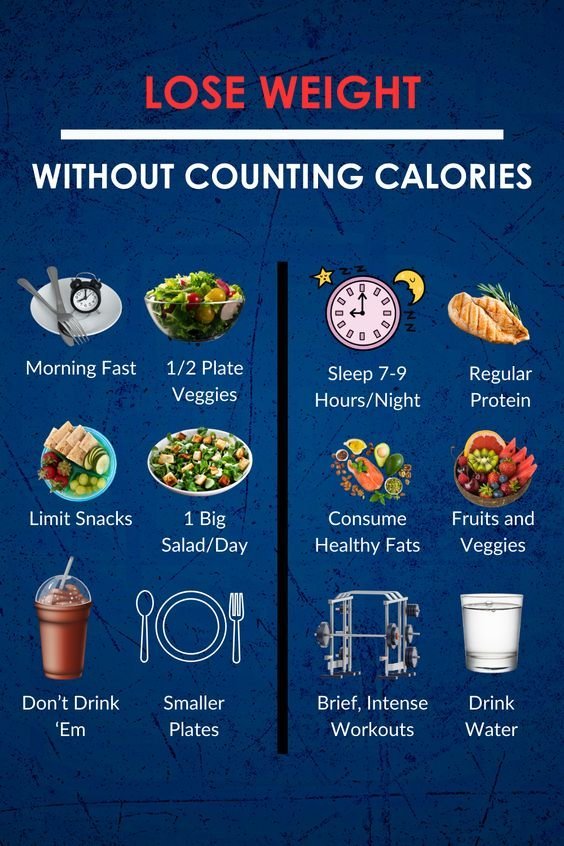
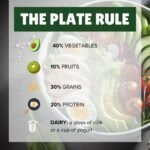
2. Fill Half Your Plate With Vegetables
Vegetables are naturally low in calories and high in volume. Filling half your plate with vegetables helps you eat satisfying portions while naturally reducing overall intake.
Benefits include:
-
Better digestion
-
Increased fullness
-
More nutrients per meal
This habit alone can significantly reduce overeating without tracking numbers.
3. Eat Regular Protein Throughout the Day
Protein plays a key role in appetite control and muscle maintenance. Including protein at each meal helps you stay full longer and reduces constant snacking.
Good protein habits support:
-
Stable energy levels
-
Reduced cravings
-
Better meal satisfaction
You don’t need perfection—just consistency.
4. Limit Snacking Without Eliminating It
Snacks often add more calories than meals because they’re eaten quickly and without attention. Instead of cutting snacks entirely, focus on limiting frequency and choosing more filling options.
Ask yourself:
-
Am I actually hungry?
-
Did I eat enough protein at my last meal?
Mindful snacking naturally reduces excess intake.
5. Build One Large Salad Into Your Day
A big, balanced salad once per day can be a powerful tool. It adds volume, fiber, and nutrients while keeping calories reasonable.
A satisfying salad usually includes:
-
Plenty of vegetables
-
A protein source
-
Some healthy fat
-
Simple seasoning
This habit supports fullness without restriction.
6. Use Smaller Plates for Portion Awareness
Portion sizes influence how much we eat more than we realize. Using smaller plates helps create visual satisfaction while reducing portion sizes naturally.
This works because:
-
The plate looks full
-
You eat more slowly
-
You’re less likely to over-serve
No measuring required.
7. Prioritize Sleep (7–9 Hours)
Sleep is one of the most overlooked weight-loss tools. Poor sleep increases hunger hormones and cravings while lowering motivation.
Consistent sleep helps:
-
Improve appetite control
-
Reduce stress eating
-
Support recovery and energy
Without enough sleep, even the best diet struggles.
8. Include Healthy Fats—In Moderation
Healthy fats help meals feel satisfying, but portion control matters. Including fats mindfully supports fullness and reduces the urge to snack later.
Examples include:
-
Nuts and seeds
-
Olive oil
-
Avocados
Use them intentionally, not excessively.
9. Stay Hydrated Throughout the Day
Thirst is often mistaken for hunger. Drinking water regularly helps regulate appetite and energy.
Simple hydration habits:
-
Drink water before meals
-
Keep a bottle nearby
-
Choose water over sugary drinks
Hydration alone can reduce unnecessary eating.
10. Keep Workouts Brief but Intense
You don’t need hours in the gym. Short, focused workouts—combined with daily movement—support fat loss and muscle maintenance.
Consistency matters more than duration. Movement should feel doable, not exhausting.
Why This Approach Works
These habits work together to naturally regulate calorie intake without tracking:
-
High-volume foods increase fullness
-
Protein stabilizes hunger
-
Sleep supports hormones
-
Portion awareness reduces excess
Instead of fighting your body, you work with it.
Common Mistakes to Avoid
-
Trying to change everything at once
-
Ignoring sleep and stress
-
Eating “healthy” foods in unlimited amounts
-
Expecting instant results
Weight loss without counting calories still requires patience.
Final Thoughts
You don’t need to count calories forever to lose weight. By focusing on vegetables, protein, sleep, hydration, portion awareness, and movement, many people naturally eat less without feeling deprived.
Sustainable weight loss comes from habits you can maintain—not numbers you constantly track.