Tinnitus can feel mysterious — one day the ringing is barely noticeable, and the next day it’s louder than ever. While most people know about the common triggers like loud noise or ear infections, many lesser-known habits and environmental changes can also influence how your ears react. Understanding these hidden triggers helps you feel more in control and gives you simple ways to manage day-to-day fluctuations.
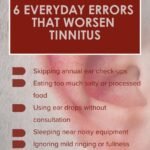
In this guide, you’ll discover 5 little-known causes behind tinnitus symptoms, each inspired by the details in the image. These small factors might be playing a bigger role than you realize — and the good news is, many are easy to adjust.
1. Sudden Exposure to Very Cold Air
Cold air might not seem connected to ear ringing, but sudden drops in temperature can tighten the tiny blood vessels around the ears. This can affect circulation and make tinnitus temporarily more noticeable.
You might notice tinnitus spikes when:
-
You step outside on a freezing morning
-
You enter an air-conditioned store after being outdoors
-
Cold wind blows directly into your ears while walking or driving
What you can do:
-
Wear a warm hat or ear cover in winter
-
Avoid standing directly under strong AC vents
-
Warm your hands and gently cup them over your ears for relief
Even small temperature changes can influence the delicate systems around your ear canal.

2. Dehydration After Prolonged Physical Activity
When you sweat heavily — whether during exercise, outdoor activities, or a long day of movement — your body loses fluids faster than usual. Dehydration thickens blood and makes it harder for circulation to reach the inner ear, where tinnitus often begins.
Signs dehydration may be triggering your tinnitus:
-
Dry mouth
-
Light-headedness
-
Dark yellow urine
-
Increased intensity of ear ringing
Helpful steps:
-
Drink water consistently throughout activity
-
Add electrolytes if you sweat heavily
-
Eat hydrating foods like oranges, cucumbers, and watermelon
Restoring hydration is one of the quickest ways to calm a tinnitus flare-up.
3. High Levels of Sugar Intake
Sugar doesn’t just affect your weight and energy — it can also impact your ears. High sugar intake can disrupt blood flow and cause spikes and drops in blood glucose levels. These fluctuations may intensify tinnitus for some people.
Possible sugar-related triggers:
-
Sweet beverages
-
Desserts
-
Processed snacks
-
Excess refined carbohydrates
Lowering sugar intake can help:
-
Stabilize blood pressure
-
Improve inner-ear circulation
-
Reduce inflammation
-
Support better nerve function
Try balancing meals with protein, fiber, and healthy fats to keep sugar levels steady.
4. Inconsistent Sleep Cycles
Sleep is when your auditory system resets. When your sleep schedule is irregular — or when you’re not getting enough deep rest — your nervous system becomes overstimulated, which can make tinnitus feel louder or more persistent.
Common sleep-related triggers:
-
Going to bed at different times each night
-
Waking up frequently
-
Nighttime stress or overthinking
-
Staying on screens too late
Better sleep habits include:
-
Aim for 7–9 hours
-
Create a calming bedtime routine
-
Keep your sleep and wake times consistent
-
Reduce screen time before bed
When your body rests well, tinnitus often follows.
5. Overuse of Certain Herbal Supplements
Herbal supplements are often seen as “safe because they’re natural,” but some can overstimulate the nervous system or affect blood pressure — both of which may influence tinnitus.
Supplements that may worsen tinnitus for some people:
-
Ginkgo (in high doses)
-
Stimulant-based weight-loss herbs
-
Certain detox blends
-
Excessive caffeine-based herb mixtures
Always introduce supplements slowly and talk to a healthcare provider if you notice changes in your tinnitus after starting something new.
Small changes in supplementation can quickly calm unexpected flare-ups.
Final Thoughts
Tinnitus doesn’t always come from obvious causes. Sometimes it’s the subtle things — a chilly morning breeze, an exhausting workout without hydration, sugary snacks, restless nights, or even overdoing certain herbal supplements — that influence how loud or quiet your tinnitus feels. By understanding these 5 little-known causes behind tinnitus symptoms, you can gently adjust your habits and create more balanced, calmer days.