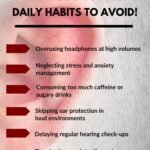
Tinnitus can show up at the most inconvenient times—during a busy day, a quiet evening, or right when you’re trying to fall asleep. And while loud noise exposure is one of the most common causes, many people don’t realize that everyday habits can quietly make the ringing worse. If you’ve been struggling to pinpoint what’s triggering your flare-ups, you’re not alone.
In this post, we’ll explore some surprisingly overlooked tinnitus triggers and what you can do to reduce them in your daily routine.
1. Consuming Excessive Caffeine
Caffeine stimulates the nervous system, which can intensify the perception of ringing or buzzing. This doesn’t mean you need to give up your morning coffee entirely—you just need to understand how your ears respond to it. Try observing your caffeine intake for a few days. You may notice patterns where the ringing gets stronger after coffee, energy drinks, or even dark chocolate. If so, gradually scale back until you find your sweet spot.
Secondary keywords used: caffeine and tinnitus, triggers for tinnitus flare-ups
LSI terms: overstimulation, nervous system sensitivity
2. Poor Hydration Reducing Ear Lubrication
Dehydration affects more than thirst—it can reduce the fluid balance in the inner ear. When your body lacks water, the tiny structures in your ear that handle sound and balance become stressed. As a result, tinnitus can feel louder or more persistent.

Here’s the simple fix:
-
Sip water regularly throughout the day.
-
Add hydrating foods like cucumbers, citrus fruits, and watermelon.
-
Cut back on dehydrating drinks such as alcohol or extra salty beverages.
Hydration plays a quiet but powerful role in ear health.
3. Long-Term Exposure to Air Conditioning Noise
This one surprises many people. Continuous low-frequency noise—like that hum from AC units—can irritate the ears over time. It’s not “loud,” but it’s constant, and constant background noise has a way of wearing down your auditory system.
To minimize the impact:
-
Avoid sitting directly under AC vents.
-
Give your ears “quiet breaks” throughout the day.
-
Use a white-noise machine with gentle, natural sound profiles instead of harsh hums.
Think of it as helping your ears reset.
4. Low Iron Levels Affecting Blood Circulation
Your ears depend on steady blood flow to function properly. When iron levels drop, circulation becomes less efficient—and this can intensify tinnitus. People with iron deficiency often report pulsating, throbbing, or rhythmic ringing.
Consider asking your healthcare provider about testing your iron levels, especially if you’re experiencing:
-
Fatigue
-
Cold hands and feet
-
Dizziness
-
Unusual hair shedding
Boosting iron through leafy greens, lean meats, beans, or supplements (if advised) can support better ear health.
Long-tail keyword variation: low iron and ear ringing symptoms
5. Sleep Deprivation Weakening Ear Nerve Health
When you’re not getting enough rest, everything feels off—your focus, your mood, and yes, even your ears. Sleep is when your auditory nerves recover from the day’s stress. Without enough of it, tinnitus often becomes louder and more intrusive.
Here’s how you can support better sleep:
-
Keep your bedroom dark and cool.
-
Avoid screens 1–2 hours before bed.
-
Try gentle stretching or meditation.
-
Keep a sleep routine, even on weekends.
Simply improving sleep hygiene can make a noticeable difference.
6. Delayed Treatment for Minor Ear Infections
Sometimes a small infection you brush off can quietly turn into a tinnitus trigger. Whether it’s sinus pressure, allergies, or mild inflammation, untreated issues can disrupt the ear canal and inner ear functions.
If you feel fullness, discomfort, or popping sensations—don’t wait. Early care (even simple warm compresses, hydration, or prescribed treatments) can prevent long-term irritation.
LSI terms: ear inflammation, sinus congestion, blocked ears
How to Reduce These Tinnitus Triggers (5 Simple Tips)
Here’s a quick lifestyle guide you can start using today:
- Stay hydrated consistently—not just when you’re thirsty.
- Limit caffeine slowly instead of cutting it out abruptly.
- Give your ears breaks from constant mechanical noise.
- Prioritize restful sleep and calming routines.
- Seek timely care for infections or sinus issues.
Small changes can reduce big flare-ups.
Final Thoughts
Tinnitus doesn’t always come from obvious sources. Sometimes, it’s the everyday things—like too much caffeine, not enough sleep, or the soft hum from your AC—that slowly make symptoms worse. By understanding these lesser-known triggers, you can make simple lifestyle adjustments that support calmer, quieter days. Feel free to save this post for later or share it with someone who’s been wondering why their tinnitus keeps flaring up.