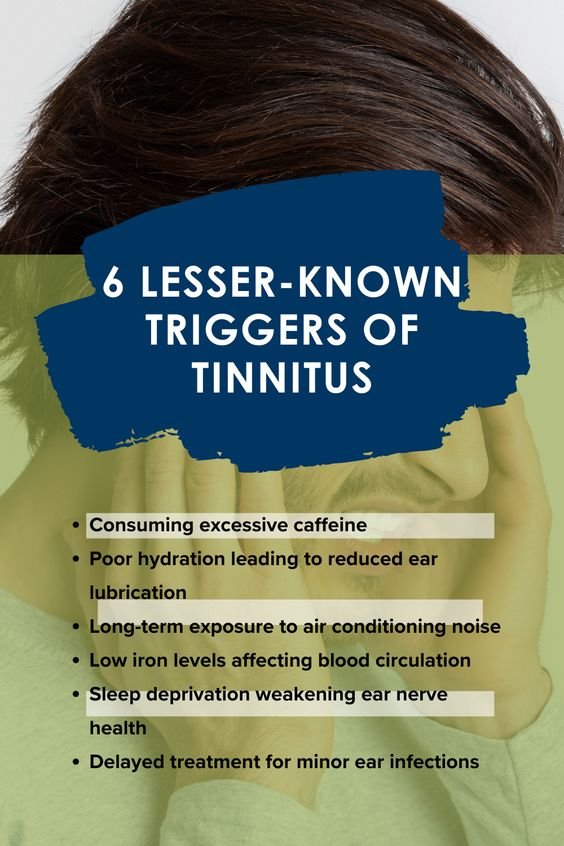
If you’ve ever experienced a constant ringing, buzzing, or humming in your ears, you know how frustrating tinnitus can be. It affects millions of people worldwide, yet many don’t realize what may be fueling their symptoms behind the scenes. A few overlooked triggers has been highlighted—things most of us wouldn’t connect to ear health at all, like sinus issues, caffeine, or even blood pressure.
This guide expands those points into a full, friendly breakdown you can actually use. Let’s explore what’s happening inside your ears, why tinnitus flares up unexpectedly, and what small habits may make a difference over time.
1. Tinnitus Can Be Linked to Untreated Sinus Infections
Sinus congestion affects more than just your breathing. When the sinus cavity swells, it can put pressure on the Eustachian tube—the small passage that helps regulate ear pressure. That pressure imbalance may lead to muffled hearing or ringing sounds.
What this means for you:
If you frequently deal with allergies, colds, or post-nasal drip, treating sinus inflammation early may help reduce ear-related symptoms.
Simple ways to support sinus health:
-
Warm steam inhalation (especially before bed)
-
Saline nasal rinses or sprays
-
Hydration throughout the day
-
Discussing persistent congestion with a healthcare provider
Sometimes, relieving sinus pressure is the first step to calming the noise.

2. High Blood Pressure Can Make Tinnitus Worse
The pin mentions something many overlook: blood pressure and tinnitus are closely linked. When blood pressure rises, blood flow can become more forceful near the delicate structures of the inner ear. That pulsing sensation may translate into ringing, beating, or whooshing sounds.
You don’t need a diagnosis to start supporting healthier levels. Small lifestyle habits add up:
-
Reduce sodium-heavy processed foods
-
Take short daily walks for circulation
-
Practice deep breathing or mindfulness exercises
-
Monitor blood pressure at home if recommended
Even slight improvements in cardiovascular health may ease tinnitus intensity over time.
3. Excess Caffeine May Aggravate Tinnitus Symptoms
Coffee lovers—this one matters. The caffeine → heightened nervous system → increased auditory sensitivity chain is real for many people. Not everyone reacts the same way, but if your symptoms get louder after coffee, soda, or energy drinks, your body might be signaling something.
Try a gentle experiment:
| Week | Habit |
|---|---|
| Week 1 | Reduce caffeine by 25% |
| Week 2 | Switch one coffee to herbal tea |
| Week 3 | Try decaf or caffeine-free beverages |
You’re not eliminating joy—you’re testing your triggers. Sometimes a simple reduction brings noticeable relief.
4. Early Care Improves Tinnitus Outcomes
This final point might be the most empowering. While many people wait months or years before seeking help, early evaluation can uncover treatable causes—hearing loss, wax buildup, circulation issues, jaw tension, and more.
Where to start:
-
Book a hearing test or audiology exam
-
Discuss symptoms with a medical professional
-
Track flare-ups to identify lifestyle triggers
-
Use calming sound therapy at night if needed
Tinnitus isn’t always curable, but it is manageable. Early attention gives you more options, not fewer.
⭐ Final Thoughts
Tinnitus can feel mysterious, but once you learn what affects it—sinus health, blood pressure, caffeine, and early care—it becomes easier to navigate. Small habits can make a real difference in daily comfort and sound perception. Tune into your body, make gentle changes, and be patient with the process.
If this post helped you, save it for later or share it with someone who needs it. And maybe ask yourself:
Which trigger are you most curious to test first? 👇