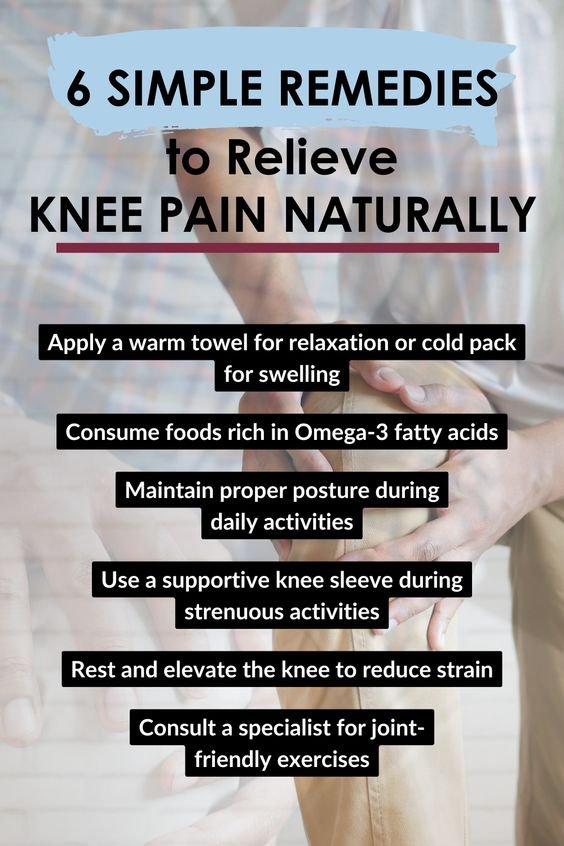
Knee pain has a way of slowing everything down—from walking comfortably to enjoying everyday activities. Whether your pain comes from wear and tear, injury, poor posture, or simply overuse, the right treatments can make a huge difference.
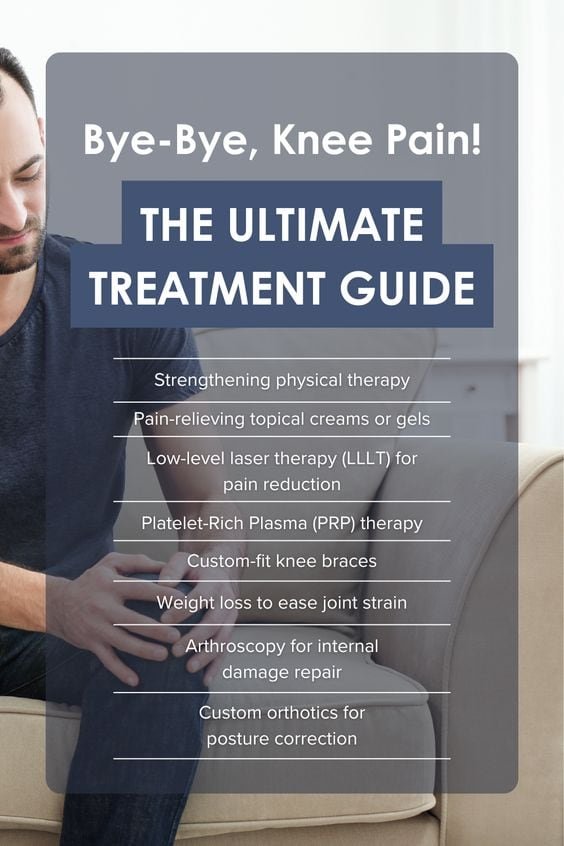
The good news? You don’t need to rely on guesswork. This ultimate knee pain treatment guide breaks down simple strategies, advanced therapies, and lifestyle shifts that can help you move with confidence again.
Let’s explore the best ways to ease pain, support your joints, and get back to the life you love.
1. Strengthening Physical Therapy
Physical therapy remains one of the most effective and long-term solutions for knee pain. A customized plan strengthens the muscles that support your knee—especially the quadriceps, hamstrings, glutes, and calves.
Why It Helps
-
Reduces pressure directly on the knee joint
-
Improves stability, balance, and mobility
-
Supports proper movement patterns during daily activities
What to Expect
A therapist may combine:
-
Resistance exercises
-
Stretching routines
-
Balance drills
-
Gait training
Even 10–15 minutes a day can build strength that protects your knees for years to come.
2. Pain-Relieving Topical Creams or Gels
When knee pain flares up, fast relief matters. Topical treatments deliver soothing effects directly to the painful area without stressing your stomach like oral medications can.
Common Options
-
Menthol-based cooling gels
-
Capsaicin creams for nerve-related pain
-
Anti-inflammatory gels with diclofenac or ibuprofen
These are especially helpful for arthritis-related pain or soreness after activity.
3. Low-Level Laser Therapy (LLLT) for Pain Reduction
Low-level laser therapy is gaining attention as a gentle, non-invasive treatment for knee pain. It uses specific wavelengths of light to improve circulation, reduce inflammation, and encourage tissue healing.
Benefits
-
No downtime
-
Completely painless
-
Helps calm chronic inflammation
Many clinics and physical therapists now offer LLLT as part of a holistic knee care plan.
4. Platelet-Rich Plasma (PRP) Therapy
If you’re looking for regenerative options, PRP therapy may be worth discussing with your specialist. It uses your own blood to stimulate healing in damaged tissues—especially helpful for chronic tendon issues or joint degeneration.
Why People Choose PRP
-
Supports tissue repair naturally
-
May improve mobility over time
-
Often used by athletes to speed recovery
Though results vary, many individuals report improvements over several weeks as the tissue regenerates.
5. Custom-Fit Knee Braces
A good knee brace can make walking, exercising, or standing for long periods much more manageable. The key is choosing one that fits your needs.
Types of Knee Braces
-
Compression sleeves: great for swelling and mild pain
-
Stability braces: helpful for ligament strains
-
Off-loader braces: reduce pressure on arthritic knees
A physical therapist or orthotic specialist can help you find the right support for your specific condition.
6. Weight Loss to Ease Joint Strain
Even a small amount of weight loss can significantly reduce pressure on your knees. For every extra pound a person carries, the knee absorbs four pounds of added pressure during movement.
Simple Ways to Start
-
Swap sugary drinks for water or herbal tea
-
Add more anti-inflammatory foods (berries, fish, leafy greens)
-
Try low-impact movements like swimming or cycling
You don’t need extreme diets—just small, steady lifestyle shifts.
7. Arthroscopy for Internal Damage Repair
If knee pain is caused by internal damage—like a meniscus tear, cartilage injury, or loose fragments—arthroscopy might be recommended. It’s a minimally invasive procedure that allows surgeons to diagnose and repair issues with tiny tools.
When It’s Helpful
-
Persistent swelling
-
Locking or catching sensations
-
Pain that doesn’t improve with conservative care
Recovery times vary, but many people return to activity faster than with traditional surgery.
8. Custom Orthotics for Posture Correction
Your knees don’t work alone—they’re part of a chain involving your feet, hips, and overall posture. When your feet don’t align properly, your knees absorb extra strain.
Custom orthotics help by:
-
Supporting flat feet or high arches
-
Correcting foot posture
-
Improving walking mechanics
-
Reducing pressure on the knees
Think of them as a small adjustment that creates a big difference over time.
Final Thoughts
Knee pain doesn’t have to control your day. With the right mix of strengthening exercises, supportive tools, regenerative therapies, and posture corrections, you can create a plan that truly works for your body. The key is consistency and choosing treatments that feel sustainable for your lifestyle.
Save this guide to revisit later, and consider starting with just one step today—your knees will thank you.