Tinnitus is often misunderstood. Some people experience it as a faint buzz, while others hear persistent ringing, humming, or clicking sounds that can affect focus, sleep, and emotional well-being. What makes tinnitus challenging is that it doesn’t always start loudly or dramatically—it often develops quietly, with subtle signs that are easy to ignore.
Understanding the key facts about tinnitus can help you recognize early signals, reduce triggers, and make choices that support long-term ear health. Below are important insights that many people wish they had known sooner.
Why Understanding Tinnitus Matters
Tinnitus isn’t a condition you simply “get” overnight. It often reflects stress on the auditory system caused by lifestyle habits, hearing strain, or underlying health factors. The earlier you understand how tinnitus works, the better positioned you are to manage it effectively.
Awareness helps you:
-
Respond early to warning signs
-
Reduce symptom intensity
-
Protect hearing long-term
-
Avoid habits that worsen tinnitus
Mild Buzzing Can Signal Early Ear Stress
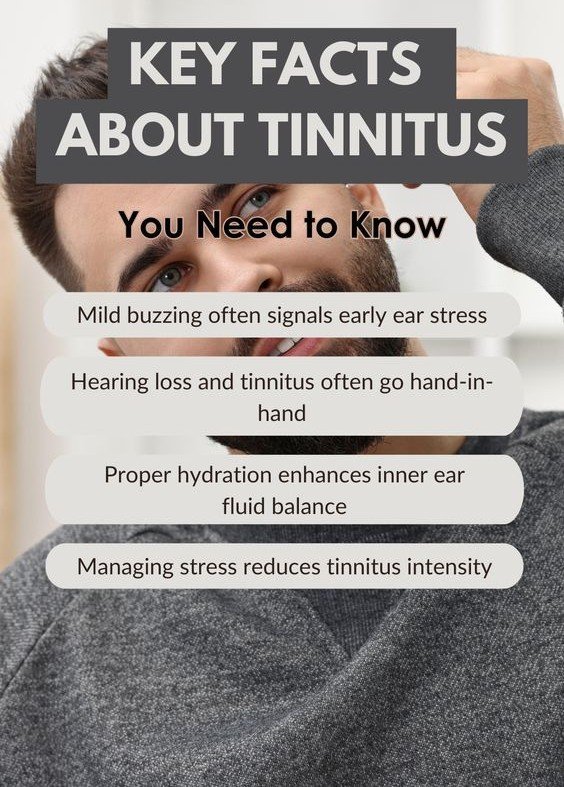
One common misconception is that tinnitus only matters when it’s loud or constant. In reality, mild buzzing or faint ringing can be an early sign of ear stress.
This early stage may indicate:
-
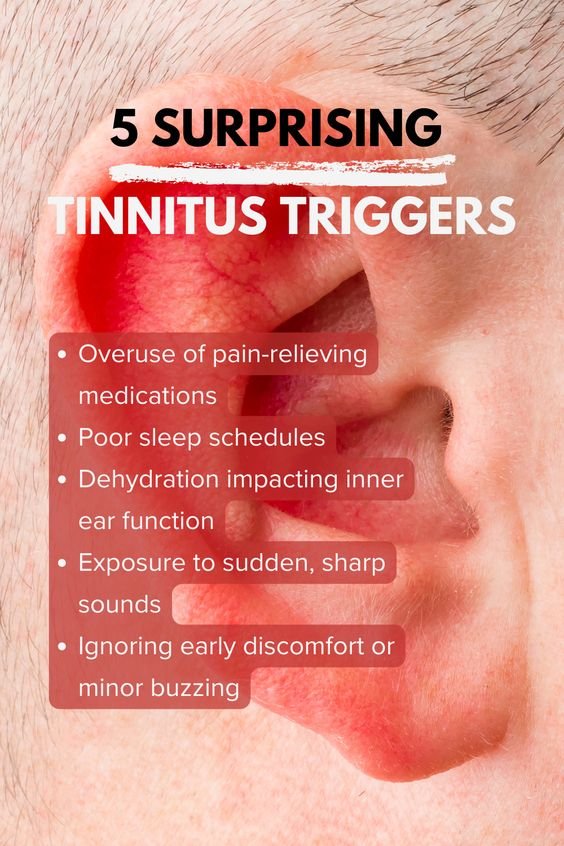
Temporary auditory overload
-
Noise-related strain
-
Circulation or fluid balance changes
Paying attention at this stage gives you the best chance to prevent worsening symptoms.
Hearing Loss and Tinnitus Often Go Hand-in-Hand
Tinnitus and hearing loss frequently occur together, even if hearing loss isn’t obvious at first.
This connection exists because:
-
Damage to auditory pathways affects sound processing
-
The brain may compensate by generating phantom sounds
-
Subtle hearing changes can trigger tinnitus
Not everyone with tinnitus has noticeable hearing loss, but the overlap is common enough to warrant attention.
Proper Hydration Supports Inner Ear Balance
Hydration plays a surprisingly important role in ear health.
Proper fluid intake helps:
-
Maintain inner ear fluid balance
-
Support healthy circulation
-
Reduce pressure-related discomfort
Dehydration can affect blood flow and fluid regulation, which may make tinnitus more noticeable for some people.
Simple habit: Consistent hydration throughout the day is more effective than drinking large amounts at once.
Stress Can Increase Tinnitus Intensity
Stress doesn’t cause tinnitus, but it often amplifies how loud or intrusive it feels.
When stress levels rise:
-
The nervous system becomes more reactive
-
Sound perception intensifies
-
Tinnitus feels harder to ignore
Managing stress doesn’t eliminate tinnitus, but it can significantly reduce its impact.
Helpful stress-reduction habits include:
-
Gentle breathing exercises
-
Regular movement
-
Adequate sleep
-
Quiet downtime
Why Tinnitus Feels Worse at Certain Times
Many people notice tinnitus becomes more noticeable:
-
At night
-
During quiet moments
-
When fatigued or stressed
This doesn’t mean tinnitus is worsening—it often means external noise and distractions are reduced, making internal sounds more noticeable.
Understanding this pattern can reduce anxiety around symptom fluctuations.
When to Seek Professional Support
Lifestyle changes help, but professional guidance is important if tinnitus:
-
Persists or worsens
-
Is accompanied by hearing changes
-
Affects sleep or mental health
-
Appears suddenly or in one ear
Early evaluation can help rule out treatable causes and guide proper management.
Common Mistake to Avoid
One of the biggest mistakes is waiting too long to take tinnitus seriously. Ignoring early signs or hoping symptoms will disappear on their own can allow patterns to become more entrenched.
Another mistake is overexposure to loud sounds without protection—even after tinnitus begins.
Prevention remains one of the most effective strategies.
Final Thoughts
Tinnitus is complex, but it isn’t random. These key facts about tinnitus highlight how early signs, hearing health, hydration, and stress all play interconnected roles. While tinnitus may not always be preventable, its impact can often be reduced with awareness and supportive habits.
Understanding what’s happening empowers you to respond calmly rather than react with fear.
👉 Save this guide and revisit it whenever tinnitus feels confusing or overwhelming.