If you’ve ever experienced ringing, buzzing, or hissing sounds in your ears with no external source, you’re not alone — that’s tinnitus. While it’s often linked to loud noise exposure, there’s more to it than meets the ear. Understanding what causes tinnitus, what worsens it, and what can help reduce it is key to managing symptoms effectively.
In this post, we’ll uncover five essential tinnitus facts you need to know — simple insights that can help you better care for your hearing and improve your daily comfort.
1. Not All Tinnitus Is Caused by Loud Sounds
It’s true that concerts, loud workspaces, or headphone overuse can trigger tinnitus — but they’re not the only culprits. Sometimes, it’s connected to medication side effects, sinus pressure, or even jaw tension.
🎧 Tip: Track when your tinnitus flares up. If it changes with posture, diet, or stress, it may point to a non-noise-related cause worth discussing with your doctor.
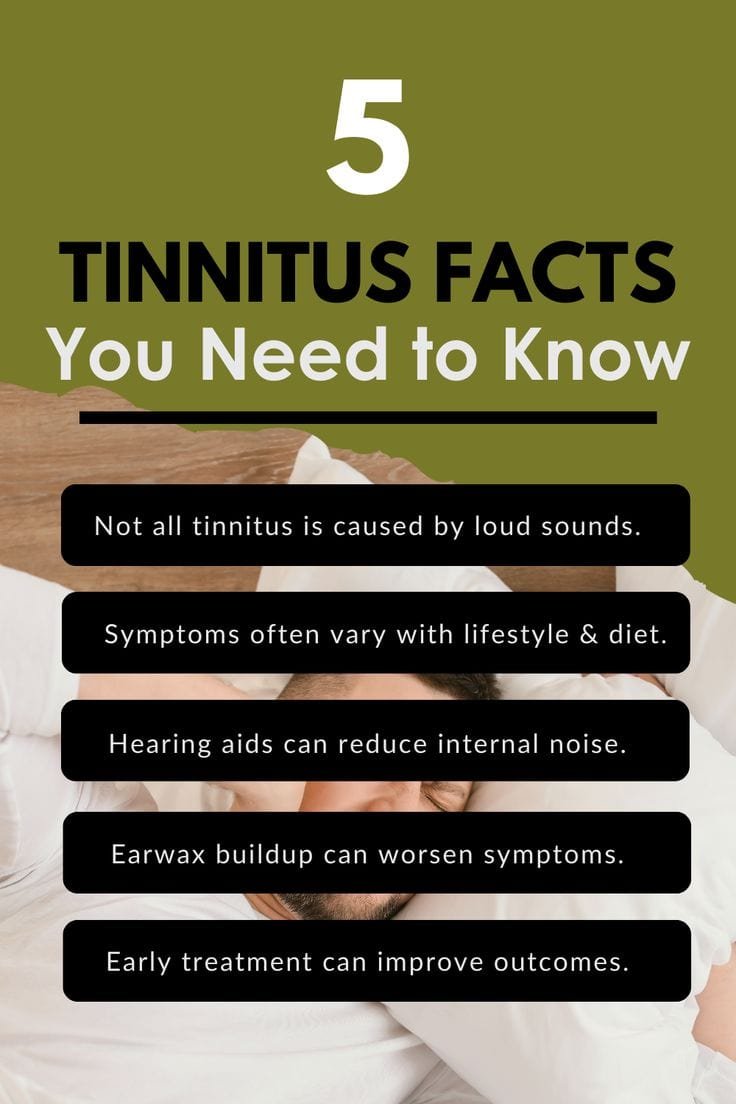
2. Symptoms Often Vary with Lifestyle and Diet
What you eat and how you live can influence tinnitus severity. Caffeine, alcohol, salt, and high stress levels are known triggers for some people.
🥦 Tip: Keep a tinnitus journal for a week — note foods, sleep, and noise exposure. You might spot patterns that help reduce flare-ups naturally.
3. Hearing Aids Can Reduce Internal Noise
For those with hearing loss, the brain tries to “fill in” missing sounds — which can make tinnitus louder. Hearing aids help balance this by amplifying external sound, reducing your brain’s focus on internal noise.
👂 Tip: Modern hearing aids often include tinnitus masking features that play soft white noise or ocean sounds to calm the mind.
4. Earwax Buildup Can Worsen Symptoms
Sometimes, the cause is as simple as blocked ear canals. Earwax buildup traps sound and vibrations, making tinnitus seem more intense.
🧴 Tip: Avoid inserting objects like cotton swabs into your ears. Use over-the-counter ear drops or visit an audiologist for safe cleaning.
5. Early Treatment Can Improve Outcomes
Tinnitus isn’t always curable, but early care can prevent it from becoming chronic. Left unmanaged, it may lead to anxiety, insomnia, or difficulty focusing.
💡 Tip: Seek help from an audiologist or ENT if your tinnitus persists for more than a few weeks. They can test for hearing loss, underlying conditions, and recommend sound therapy or lifestyle adjustments.
Final Thoughts
Tinnitus can be frustrating, but understanding it is the first step toward relief. Remember these five key facts: not all tinnitus is noise-induced, lifestyle and diet play a role, hearing aids can help, earwax matters, and early care makes a big difference. By staying informed and proactive, you can keep tinnitus from taking over your peace of mind. So take a deep breath, care for your ears, and remember — small changes can lead to big improvements in how you experience sound.