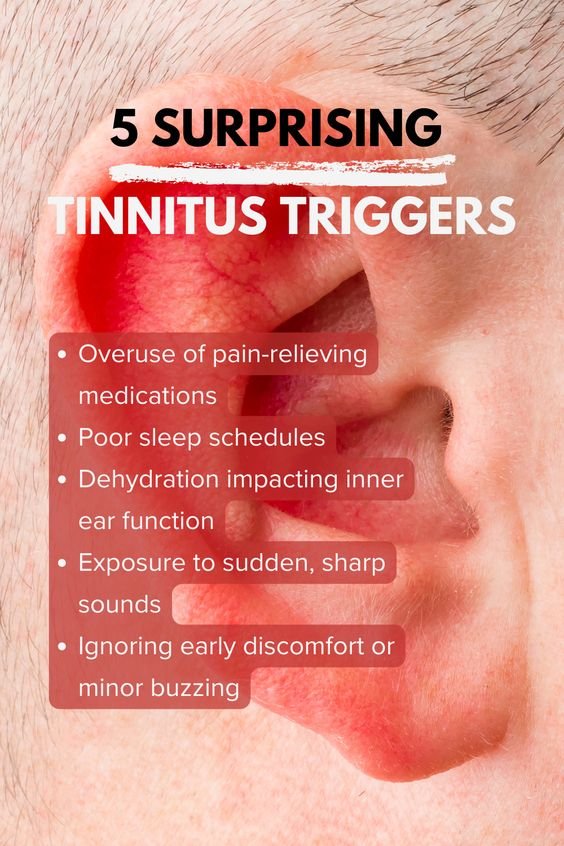
Living with tinnitus can feel exhausting — especially on days when the ringing, buzzing, or humming seems louder than usual. The good news? While there’s no universal “cure,” many people find relief through simple at-home habits that calm the ears, reduce tension, and create a more comfortable sound environment. These small, daily practices won’t fix tinnitus overnight, but they can make your symptoms easier to manage.
In this guide, you’ll learn practical remedies like warm compresses, magnesium-rich foods, hydration, sound therapy, and everyday habits that support better ear health. Let’s dive in and explore what you can start doing today.
1. Apply a Warm Compress to Reduce Ear Tension
One of the easiest ways to soothe tinnitus discomfort is by using gentle heat. A warm compress helps relax tight muscles around the ear and jaw — two areas closely connected to tinnitus flare-ups.
Here’s how to do it safely:
-
Use a warm (not hot) cloth or heating pad.
-
Hold it against the side of your face or neck for 5–10 minutes.
-
Breathe slowly to encourage deeper relaxation.
This simple step is especially helpful if your tinnitus gets worse from stress, clenching, or long hours of screen time.

2. Gargle With Saltwater to Soothe Throat & Ear Discomfort
Saltwater gargles aren’t just for sore throats. They can also ease pressure around the eustachian tubes — the tiny passageways that help your ears drain. When these tubes feel blocked or irritated, tinnitus often becomes more noticeable.
To try this remedy:
-
Mix 1/2 teaspoon salt in warm water.
-
Gargle for 10–15 seconds.
-
Repeat 2–3 times daily during flare-ups.
Whether your symptoms are triggered by allergies, sinus congestion, or mild inflammation, this simple step offers quick comfort.
3. Stay Hydrated to Maintain Optimal Ear Health
It sounds basic, but hydration plays a bigger role in ear wellness than most people realize. Dehydration can thicken the fluids inside the ear and increase ringing sensations.
Staying hydrated helps:
-
Improve circulation around the inner ear
-
Reduce pressure-related symptoms
-
Support overall nerve function
Aim for 6–8 cups of water daily, and consider adding herbal teas like ginger or chamomile for extra soothing benefits.
4. Eat Magnesium-Rich Foods for Nerve Support
Magnesium is known for its ability to relax nerves and muscles — and many tinnitus sufferers report that magnesium-rich foods help take the “edge” off their symptoms. While it’s not a cure, it can support calmer ear activity.
Include foods such as:
-
Almonds
-
Cashews
-
Spinach
-
Avocado
-
Pumpkin seeds
-
Leafy greens
Magnesium helps regulate neurotransmitters, which is why it’s often included in natural tinnitus support supplements. Adding more of it into your meals is an easy win.
5. Use Soft Background Noise to Avoid Complete Silence
Silence may seem relaxing, but for people with tinnitus, it can make the ringing feel even louder. Adding gentle background noise gives your brain something else to focus on — a technique called sound masking.
Try:
-
Soft instrumental music
-
White noise apps
-
Rain or ocean sound playlists
-
A fan or air purifier
The goal isn’t to drown out the ringing entirely, but to create a comforting sound environment that reduces your awareness of it.
6. Protect Your Ears From Loud Environments
Even brief exposure to loud noise can trigger tinnitus spikes. Protecting your ears is one of the most important long-term habits — and it doesn’t mean avoiding fun activities, just being prepared.
Use:
-
Foam earplugs during concerts or sports events
-
Noise-reducing headphones at work
-
Volume-limiting settings on devices
Remember: once the inner ear becomes irritated, symptoms often linger for days. Prevention is always easier than recovery.
7. When to Seek Professional Support
Home remedies can help, but tinnitus should be evaluated by a professional if:
-
It suddenly gets worse
-
You hear pulsating or heartbeat-like sounds
-
It appears after a loud-noise incident
-
It affects your sleep or daily functioning
A hearing specialist can check for treatable causes like earwax buildup, infections, TMJ issues, or circulation problems.
Final Thoughts
Tinnitus can feel overwhelming, but small, consistent habits can make a meaningful difference in your day-to-day comfort. Whether you start with warm compresses, magnesium-rich foods, saltwater gargles, or soft background noise, the goal is simple: create a calmer, more supportive environment for your ears.
Save this post for later, try a couple of these remedies this week, and notice which ones help you the most. Your ear health is worth taking care of — one gentle step at a time.