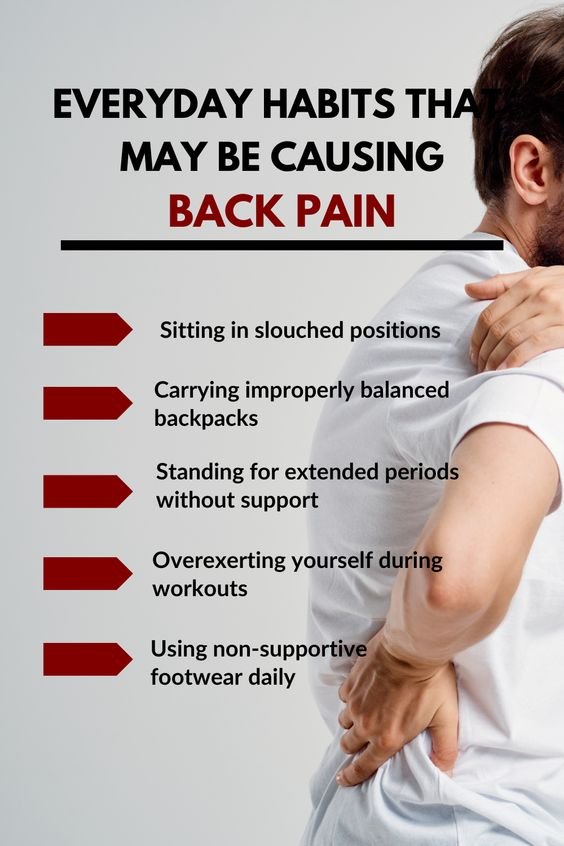
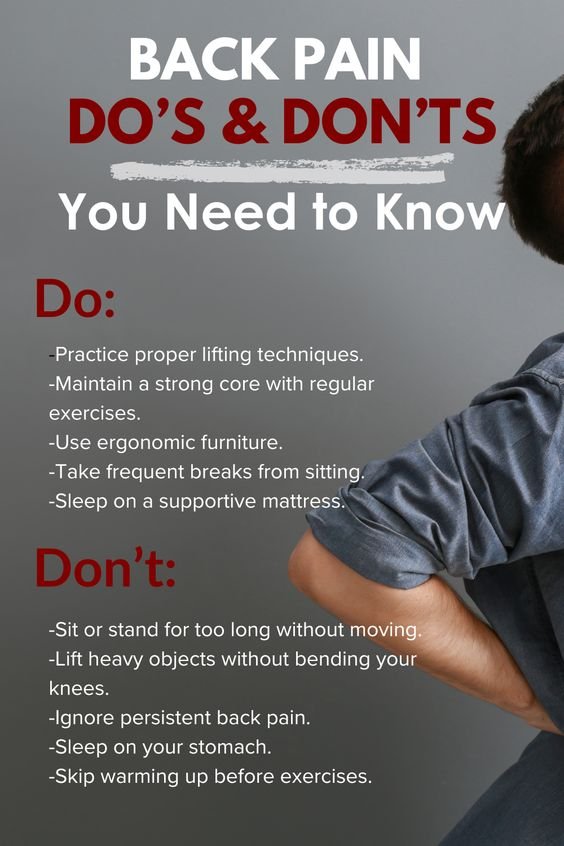
Back pain can show up suddenly — during work, while lifting something heavy, or sometimes for no clear reason at all. When it happens, it affects everything: your mood, your focus, and even the simplest movements.
The good news is that many back pain flare-ups respond well to small, practical remedies you can start using at home right away. These gentle, natural tips — inspired by the image — focus on reducing inflammation, improving posture, easing tension, and giving your body the support it needs to heal.
Let’s explore 6 home remedies for back pain relief that can help you feel more comfortable throughout the day.
1. Apply a Cold Compress for Recent Injuries
If your back pain is the result of a recent strain, fall, or sudden movement, cold therapy is your first line of support. A cold compress helps reduce swelling and numbs the area, giving quick, soothing relief.
How to use cold therapy:
-
Apply an ice pack wrapped in a cloth
-
Use for 10–15 minutes at a time
-
Avoid placing ice directly on the skin
-
Repeat 2–3 times a day during the first 48 hours
Cold treatment is especially helpful for sharp, sudden pain or injuries caused by lifting something heavy or twisting unexpectedly.

2. Adjust Your Chair Height for Ergonomic Support
One of the most common causes of back pain is poor sitting posture — especially during long working hours. If your chair is too low or too high, your spine, hips, and shoulders absorb unnecessary strain.
Simple ergonomic adjustments:
-
Keep your feet flat on the floor
-
Make sure your knees are at a 90-degree angle
-
Adjust your screen so it’s at eye level
-
Sit back against the chair for lower-back support
-
Consider adding a lumbar cushion
Small changes in your workspace can dramatically reduce daily tension and prevent future flare-ups.
3. Use a Warm Compress for Muscle Stiffness
While cold packs help with fresh injuries, warm compresses are perfect for stiffness, tight muscles, and lingering aches. Heat increases circulation, relaxing the muscles and improving flexibility.
Try these heat options:
-
Warm towel
-
Heating pad
-
Warm shower
-
Hot water bottle
Use heat for 15–20 minutes, especially before stretching or gentle movement. It helps soften the tension that builds from sitting too long, stress, or sleeping in an odd position.
4. Take Light Walks to Reduce Tension
Movement is medicine when it comes to back pain. While resting feels tempting, too much stillness can cause stiffness and prolong recovery. Light walking helps improve circulation, loosen tight muscles, and bring nourishment to the spine.
Why walking helps:
-
Reduces inflammation
-
Eases muscle tension
-
Improves posture naturally
-
Enhances mood and energy
Start with 5–10 minutes and gradually increase. A slow, steady pace is enough — no rushing or long strides needed.
5. Incorporate Anti-Inflammatory Foods Into Your Meals
What you eat affects how your body heals. Anti-inflammatory foods help calm the tissues around your spine, reduce pain, and support stronger muscles over time.
Top anti-inflammatory foods:
-
Turmeric and ginger
-
Leafy greens
-
Berries
-
Walnuts and almonds
-
Olive oil
-
Fatty fish (salmon, sardines)
-
Tomatoes
-
Garlic and onions
Adding these foods to your daily meals can help support long-term back health and reduce overall inflammation in the body.
6. Try Gentle Stretches to Improve Flexibility
(Extra, inspired by the man’s posture in the image.)
Even simple stretches can help alleviate discomfort caused by tight muscles and poor posture. Gentle stretching prevents stiffness from returning and improves your range of motion.
Helpful stretch examples:
-
Cat-cow stretch
-
Child’s pose
-
Knee-to-chest stretch
-
Hip flexor stretch
-
Lower-back rotations
Do them slowly, without forcing a movement. If something hurts, stop immediately.
Final Thoughts
Back pain doesn’t always require intense treatments or medication — sometimes the most effective remedies are the simplest ones you can do at home. Whether you’re using a warm or cold compress, adjusting your workspace, adding anti-inflammatory foods, or taking short daily walks, each habit brings your body closer to comfort and healing. Start with one or two steps from this list, listen to your body, and build from there. Small actions, done consistently, lead to steady relief.