Tinnitus can feel confusing and frustrating, especially when the sound seems to come from nowhere. For many people, the ringing, buzzing, or hissing in their ears doesn’t begin with a major injury — it develops slowly and almost silently through small triggers over time. While loud noise exposure is the most commonly known cause, there are several lesser-known reasons tinnitus can appear or worsen.
Understanding these hidden causes can make a huge difference in managing symptoms, reducing flare-ups, and protecting long-term hearing health. Below, you’ll find some of the most overlooked contributors to tinnitus and how they affect the ear.
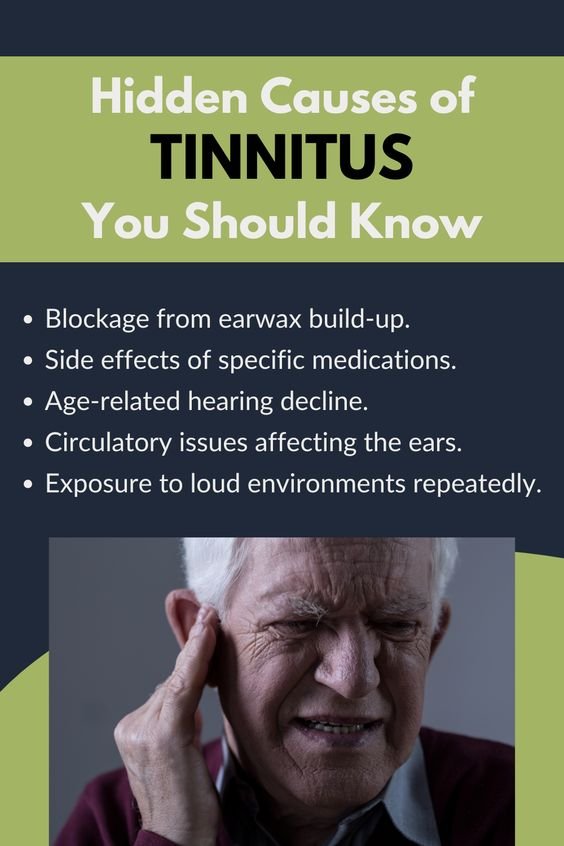
1. Earwax Build-Up Blocking the Ear Canal
A surprising number of cases begin with wax blockage. When earwax becomes compacted, it places pressure on the eardrum and disrupts sound processing, leading to ringing or muffled hearing.
What may help:
-
Professional ear cleaning instead of self-removal
-
Avoiding cotton swabs deep inside the ear
-
Scheduling check-ups if symptoms return regularly
Sometimes, relief comes simply from clearing the obstruction — safely and properly.
2. Side Effects from Certain Medications
Some medications can trigger or worsen tinnitus, especially when taken long-term or at higher doses. These are known as ototoxic drugs.
Examples may include:
-
Certain antibiotics
-
High-dose aspirin or NSAIDs
-
Some antidepressants or diuretics
If tinnitus appeared after starting a new medication, a healthcare provider may help adjust dosage or discuss alternatives. Never discontinue prescribed medicine without medical guidance.
3. Age-Related Hearing Decline
As we grow older, the delicate hair cells in the inner ear naturally weaken. When these cells no longer transmit sound signals efficiently, the brain often compensates by creating phantom noise — what we recognize as tinnitus.
Helpful habits include:
-
Routine hearing evaluations
-
Using hearing aids when recommended
-
Protecting remaining hearing from loud noise
Aging is natural, but maintaining hearing health can slow the progression.
4. Circulation Problems Affecting the Ears
The inner ear relies on steady blood flow to function correctly. When circulation is reduced, restricted, or irregular, tinnitus may develop or intensify.
Potential contributing factors:
-
High blood pressure
-
Cardiovascular issues
-
Neck or jaw tension affecting blood movement
Improving overall circulation through movement, hydration, and medical treatment when necessary may support relief over time.
5. Repeated Exposure to Loud Sound or Noisy Environments
Even if it doesn’t happen suddenly, long-term noise exposure gradually damages inner-ear structures. Construction sites, concerts, headphones at high volume, or noisy workplaces add up silently.
To protect your ears:
-
Use earplugs during loud activities
-
Keep headphone volume below 60%
-
Take regular breaks from noise sources
Noise-related tinnitus is common, but also highly preventable with thoughtful habits.
Final Thoughts
Tinnitus doesn’t always begin with one obvious event — sometimes, it’s a mix of hidden factors like earwax, medication reactions, aging, circulation issues, or sound exposure throughout life.
Understanding these lesser-known triggers gives you more control, more clarity, and more hope when managing daily symptoms. While treatment varies from person to person, awareness is often the first step toward relief. Listen to your ears, protect your hearing, and don’t hesitate to seek support if tinnitus begins affecting your peace or quality of life.