When trying to eat healthier or manage weight, fruit can feel confusing. Some people avoid it altogether, worried about sugar, while others rely on it too heavily. The truth lies somewhere in the middle. Choosing fruits low in sugar allows you to enjoy natural sweetness without overwhelming your daily intake.
Low-sugar fruits provide vitamins, fiber, hydration, and antioxidants—without causing sharp blood sugar spikes. They’re especially helpful if you’re focused on balanced eating, weight management, or reducing added sugars. Let’s explore some of the best low-sugar fruit options and how they can fit naturally into your routine.
Why Choosing Low-Sugar Fruits Matters
Not all fruits affect the body the same way. Some are naturally higher in sugar, while others offer more water, fiber, or healthy fats that slow digestion.
Low-sugar fruits:
-
Help reduce sudden energy crashes
-
Support better blood sugar balance
-
Are easier to include in calorie-aware plans
-
Still provide essential nutrients
It’s not about eliminating fruit—it’s about choosing wisely.
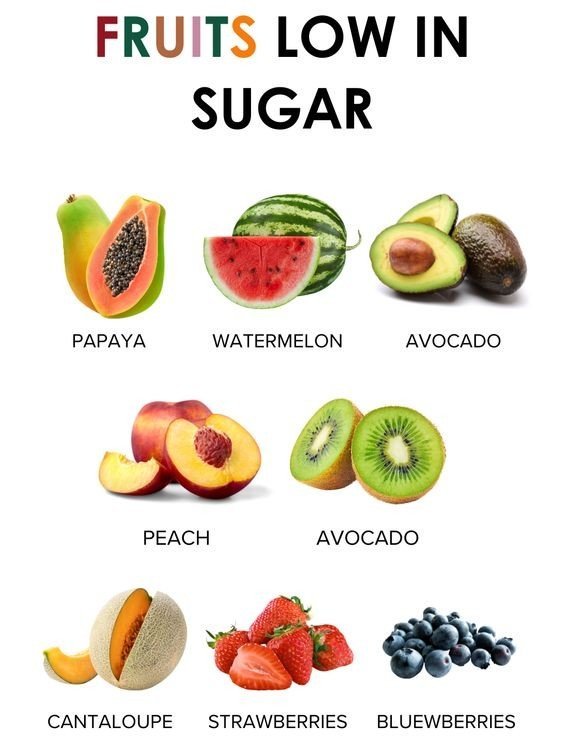
Papaya: Gentle and Digestive-Friendly
Papaya is naturally low in sugar and easy to digest. It contains enzymes that support digestion and is rich in vitamin C and antioxidants.
Because of its mild sweetness and soft texture, papaya works well as a breakfast fruit or light snack. It’s especially helpful for people who want something refreshing without heaviness.
Watermelon: Hydrating and Light
Watermelon is mostly water, which makes it one of the lightest fruits you can eat. Despite tasting sweet, it’s relatively low in sugar per serving due to its high water content.
It’s a great option for hydration, especially in warm weather. Watermelon can help curb sweet cravings while keeping calorie intake low.
Avocado: Low Sugar, High Satisfaction
Avocado stands out because it’s technically a fruit—but very low in sugar. Instead of sweetness, it offers healthy fats that help keep you full and satisfied.
Because it doesn’t spike blood sugar, avocado works well in balanced meals. You can add it to salads, smoothies, or snacks to create fullness without relying on sugar.
Peach: Naturally Sweet but Balanced
Peaches offer natural sweetness while remaining relatively low in sugar compared to many other fruits. They also provide fiber, which slows digestion and helps control appetite.
A fresh peach can satisfy a sweet craving without feeling heavy or overly sugary, making it a smart choice for mindful eating.
Kiwi: Nutrient-Dense and Refreshing
Kiwi is another fruit that balances sweetness with fiber and vitamin C. It supports digestion and adds a refreshing tang that doesn’t feel overwhelming.
Because kiwi contains fiber and water, it tends to feel lighter than sweeter tropical fruits, making it a good low-sugar option when eaten in moderation.
Cantaloupe: Light and Hydrating
Cantaloupe has a mild sweetness and high water content, making it both refreshing and lower in sugar compared to many fruits.
It’s easy to portion, gentle on digestion, and works well as part of a light breakfast or afternoon snack.
Strawberries: Sweet Without the Sugar Load
Strawberries are one of the most popular fruits low in sugar. They’re rich in antioxidants and vitamin C while staying relatively low in calories and sugar.
Their strong flavor means a small serving feels satisfying, making them ideal for snacks, yogurt toppings, or smoothies.
Blueberries: Small but Powerful
Blueberries contain more sugar than strawberries, but they’re still considered a lower-sugar fruit when eaten in reasonable portions. They’re packed with antioxidants and fiber, which help slow sugar absorption.
Because they’re small and flavorful, blueberries can add sweetness without requiring large quantities.
How to Include Low-Sugar Fruits Daily
Rather than eating fruit alone all the time, pair it with protein or healthy fats:
-
Berries with yogurt
-
Papaya after meals
-
Avocado with vegetables
-
Kiwi in smoothies
This combination helps stabilize energy levels and keeps you full longer.
Common Mistake to Avoid
A common mistake is assuming all fruit is “bad” because of sugar. In reality, whole fruits are very different from added sugars found in processed foods.
Whole fruits come with fiber, water, and nutrients—things your body actually needs.
Final Thoughts
Choosing fruits low in sugar allows you to enjoy natural sweetness while supporting balanced eating habits. From hydrating watermelon to satisfying avocado and antioxidant-rich berries, these fruits fit well into many healthy lifestyles.
You don’t need to cut fruit out—you just need to choose the ones that work best for your goals and your body.
👉 Save this guide for later when planning meals or snacks.
👉 Which low-sugar fruit do you enjoy the most?