Fruit is often caught in the middle of nutrition debates. Some people avoid it completely because of sugar, while others aren’t sure which fruits actually fit into a balanced lifestyle. The good news? There are plenty of fruits low in sugar that still provide fiber, vitamins, and hydration — without overwhelming your blood sugar.
If you’re watching sugar intake for weight management, energy balance, or overall health, this guide breaks down the low-sugar fruits shown in the image and explains how to enjoy them realistically.
Why Choosing Low-Sugar Fruits Matters
Not all fruits affect the body the same way. While fruit contains natural sugars, the amount varies widely — and fiber, water content, and portion size matter just as much.
Low-sugar fruits can help:
-
Reduce blood sugar spikes
-
Support weight management
-
Control cravings
-
Add volume to meals with fewer calories
This doesn’t mean high-sugar fruits are “bad,” but choosing low-sugar options more often can make everyday eating easier to manage.
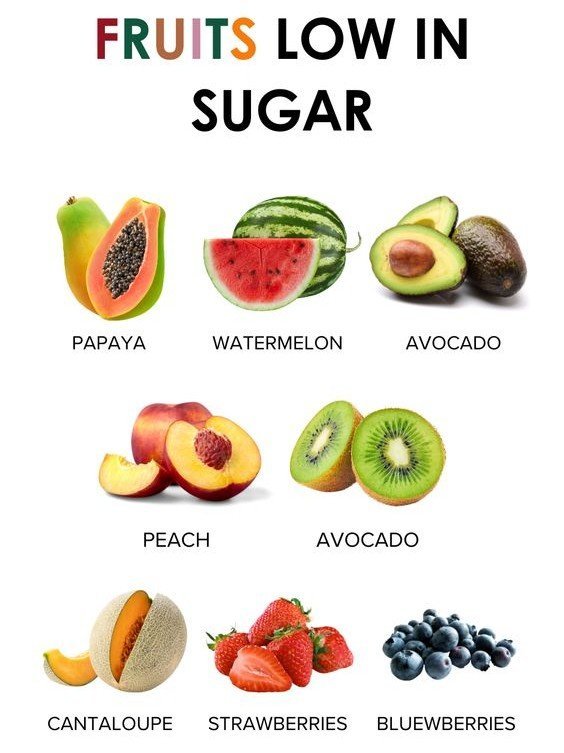
Papaya: Gentle, Digestive-Friendly Sweetness
Papaya is naturally lower in sugar than many tropical fruits and offers enzymes that support digestion.
Why papaya works well:
-
Light sweetness without heaviness
-
High water content
-
Easy on the stomach
It’s a great option in the morning or after meals when you want something refreshing but not overly sweet.
Watermelon: Hydrating and Surprisingly Low in Sugar
Watermelon tastes sweet but is mostly water, which makes it lower in sugar per serving than many people expect.
Benefits include:
-
High hydration
-
Low calorie density
-
Refreshing volume
Because it’s not very filling on its own, watermelon works best paired with protein or eaten mindfully as a snack.
Avocado: Practically Sugar-Free
Avocado stands out among fruits because it contains almost no sugar. Instead, it provides healthy fats and fiber.
Why avocado is unique:
-
Very low in sugar
-
High satiety
-
Supports blood sugar stability
Avocado works well in salads, smoothies, or as a replacement for sugary spreads.
Peach: Naturally Sweet but Moderate in Sugar
Peaches are a good middle-ground fruit — sweeter than berries but still reasonable when portioned.
Why peaches fit well:
-
Juicy and satisfying
-
Moderate natural sugar
-
High water and fiber content
They’re a great way to satisfy sweet cravings without resorting to processed snacks.
Kiwi: Small, Nutrient-Dense, and Balanced
Kiwi offers plenty of flavor in a small serving, keeping sugar intake moderate.
Benefits of kiwi include:
-
Vitamin C-rich
-
Fiber-supported digestion
-
Naturally portion-controlled
Its tangy-sweet taste makes it easy to enjoy without overeating.
Cantaloupe: Sweet Flavor, Lower Sugar Load
Like watermelon, cantaloupe has high water content, which keeps sugar per serving lower.
Why it works:
-
Hydrating
-
Light and refreshing
-
Easy to portion
It’s especially useful in warm weather or alongside savory meals.
Strawberries: One of the Best Low-Sugar Fruits
Strawberries are often recommended because they’re low in sugar and high in fiber.
Key reasons they’re popular:
-
Low sugar compared to most fruits
-
High antioxidant content
-
Naturally filling
They work well in yogurt, salads, or on their own.
Blueberries: Small but Powerful
Blueberries contain more sugar than strawberries but are still considered a low-to-moderate sugar fruit when eaten in sensible portions.
Why blueberries are worth including:
-
Rich in antioxidants
-
Fiber-supported sugar absorption
-
Satisfying sweetness
Portion awareness keeps them a smart daily option.
How to Eat Fruits Low in Sugar More Effectively
A few simple habits make a big difference:
-
Pair fruit with protein or healthy fats
-
Watch portion sizes, not just food choice
-
Choose whole fruit over juice
-
Rotate fruit types for variety
This keeps blood sugar stable and meals more satisfying.
Common Misconceptions About Fruit and Sugar
-
❌ “All fruit causes weight gain”
-
❌ “Fruit sugar is the same as candy”
-
❌ “Low-sugar diets require cutting fruit”
In reality, whole fruits bring fiber, water, and nutrients — which changes how the body handles natural sugars.
Final Thoughts
Choosing fruits low in sugar doesn’t mean giving up taste or variety. It simply means being a bit more intentional with everyday choices.
Papaya, berries, melon, kiwi, peaches, and avocado all allow you to enjoy fruit while maintaining balance. Focus on portions, pair fruit wisely, and remember — consistency matters more than perfection.
Save this guide for later or share it with someone navigating sugar intake. And ask yourself: which of these low-sugar fruits do you already enjoy, and which one will you try next? 🍓🥝🥑