When managing blood sugar, fruit often feels confusing. Some people are told to avoid it completely, while others are encouraged to eat more of it. The truth lies in choosing the right fruits in the right portions.
Certain fruits are rich in fiber, low on the glycemic index, and packed with nutrients that support more stable blood sugar levels. These fruits that fight diabetes don’t cure the condition—but they can play a helpful role in a balanced, diabetes-friendly eating routine when eaten mindfully.
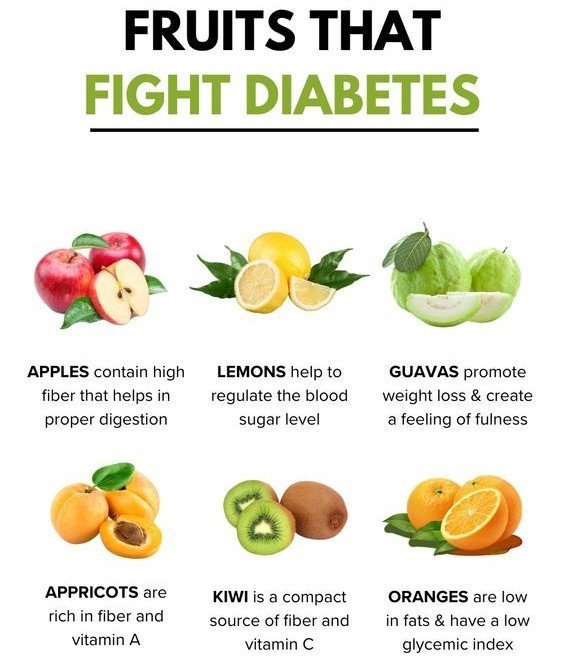
Let’s take a closer look at the fruits highlighted here and why they’re often recommended for blood sugar support.
Apples: Fiber-Rich and Filling
Apples are one of the most accessible fruits for diabetes-friendly eating.
Why apples help:
-
High in soluble fiber, especially pectin
-
Slow digestion and glucose absorption
-
Support gut health and fullness
Eating apples with the skin on provides the most benefit. Pairing an apple with protein or healthy fat (like nuts or yogurt) can further help stabilize blood sugar.
Lemons: Supporting Blood Sugar Balance
Lemons are very low in sugar and rich in vitamin C. While they’re rarely eaten alone, they add value when included in meals or drinks.
Benefits of lemons:
-
Minimal impact on blood sugar
-
Acidity may slow carbohydrate digestion
-
Enhances flavor without added sugar
Adding lemon juice to water, salads, or vegetables can help reduce reliance on sugary dressings or drinks.
Guavas: High Fiber, Low Impact
Guavas are often praised for their fiber content and relatively low glycemic load.
Why guavas stand out:
-
High fiber promotes fullness
-
Slower blood sugar rise compared to many fruits
-
Nutrient-dense and satisfying
They may support appetite control, which is an important part of blood sugar management and weight balance.
Apricots: Nutrient-Dense in Small Portions
Apricots provide fiber, vitamin A, and antioxidants while remaining moderate in sugar when eaten in reasonable portions.
Helpful qualities:
-
Fiber helps regulate digestion
-
Nutrients support overall metabolic health
-
Naturally sweet without being excessive
Fresh apricots are usually a better choice than dried versions, which are more concentrated in sugar.
Kiwi: Compact and Fiber-Rich
Kiwi may be small, but it packs a powerful nutritional punch.
Why kiwi works well:
-
High fiber relative to size
-
Good source of vitamin C
-
Low to moderate glycemic index
Kiwi can be a smart option when you want something sweet but controlled in portion size.
Oranges: Low Glycemic and Hydrating
Whole oranges are different from fruit juice. When eaten whole, oranges have fiber and a lower glycemic impact.
Advantages of oranges:
-
Low glycemic index
-
High water content
-
Provides vitamin C and fullness
Chewing whole oranges slows sugar absorption compared to drinking juice, which is best limited when managing diabetes.
How These Fruits Help With Diabetes Management
These fruits don’t “fight” diabetes in a cure sense—but they support blood sugar control through:
-
Fiber slowing glucose absorption
-
Lower glycemic impact
-
Promoting fullness and appetite control
Fiber is one of the most important nutrients for diabetes management, and all these fruits contribute to it.
Best Ways to Eat Fruit for Blood Sugar Control
How fruit is eaten matters just as much as which fruit you choose.
Helpful tips:
-
Eat fruit in whole form, not juice
-
Pair fruit with protein or healthy fat
-
Stick to reasonable portions
-
Spread fruit intake throughout the day
This approach reduces blood sugar spikes and improves satisfaction.
Common Mistakes to Avoid
When including fruit in a diabetes-friendly diet, avoid:
-
Drinking fruit juice instead of whole fruit
-
Eating large portions at once
-
Combining fruit with refined carbs alone
Balance is key.
Who Should Be Most Mindful With Fruit Intake
People with diabetes, insulin resistance, or prediabetes should monitor individual responses, as blood sugar response can vary. Using a glucose monitor or food journal can help identify what works best for you.
Always follow guidance from a qualified healthcare professional for personalized advice.
Final Thoughts
Choosing the right fruits can make a real difference in a diabetes-friendly lifestyle. Fruits that fight diabetes, like apples, lemons, guavas, apricots, kiwi, and oranges, support blood sugar balance through fiber, hydration, and smart nutrient profiles. When eaten whole, in moderation, and paired thoughtfully, fruit can absolutely be part of a healthy routine—not something to fear.
Save this list and start by adding just one of these fruits to your meals this week. Which one feels like the easiest place for you to begin?